Learning how to keep bread fresh longer without freezing it saves you money, cuts food waste, and means you always have a soft slice ready when you want one. Nobody enjoys biting into a baguette that has turned into a weapon overnight, yet most bread goes stale within a day or two of being cut. The good news is that with the right storage method, you can keep bread fresh for four to seven days at room temperature — no freezer required.
Bread staling is not really about drying out, even though it feels that way. It is mostly about starch retrogradation, a process where the starch molecules in baked flour recrystallize and firm up after cooling. Refrigeration actually speeds this process up, which is why the fridge is one of the worst places for bread. Freezing halts it entirely, but if you would rather not freeze your bread, you still have plenty of effective options. This guide walks through the science, the best storage containers, and the everyday habits that keep your loaf soft and flavorful for days.
Why Bread Goes Stale So Fast
Before you can keep bread fresh, it helps to understand what you are fighting. Two forces attack your loaf the moment it leaves the oven:
- Starch retrogradation: The starches that softened and swelled during baking gradually return to a rigid, crystalline structure. This process is fastest between roughly 32°F and 50°F (0–10°C) — exactly refrigerator temperature. That is why cold storage makes bread go stale faster, not slower.
- Moisture migration: Water moves from the moist crumb (the inside) toward the dry crust and then into the air. Slice a loaf and you double the exposed surface area, which is why a sliced sandwich loaf dries out much faster than an intact one.
- Mold: Warm, humid environments encourage mold, which is the other end of the freshness spectrum. Good storage walks the line between keeping moisture in and letting the bread breathe just enough.
Your goal is simple: slow down starch crystallization and limit moisture loss without trapping so much humidity that mold grows. Every technique below targets one or both of those goals.
Step-by-Step: The Best Way to Store Bread at Room Temperature
This method works for almost every type of bread — sandwich loaves, artisan sourdough, baguettes, rolls, and buns — and keeps them fresh for four to seven days.
- Cool the bread completely before storing. Warm bread releases steam, and wrapping it while warm traps condensation that turns the crust soggy and invites mold. Let a homemade or bakery loaf rest for at least one to two hours after baking.
- Cut from the middle, not the end. For round loaves and boules, slice the loaf in half and cut slices from the exposed middle. Press the two cut faces back together after each use so the cut surfaces protect each other instead of drying out. For sandwich loaves, cut slices from one end and keep the end heel pressed back against the loaf.
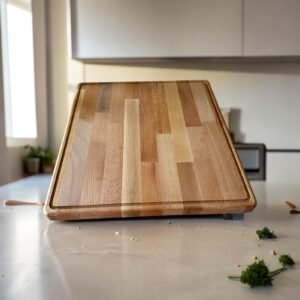
- Place the loaf cut-side down on a clean board or plate. This simple trick covers the most vulnerable surface — the cut face — against the counter and dramatically slows moisture loss on the first day.
- Wrap it in a clean cotton or linen bread bag. A breathable cloth bag is the gold standard for crusty breads. It holds in just enough moisture to keep the crumb soft while letting excess humidity escape so the crust stays crisp. Synthetic fabrics do not breathe as well, so stick with cotton, linen, or hemp.
- Store the wrapped loaf in a bread box or a cool cabinet. A bread box creates a small, stable microclimate: slightly more humid than the open kitchen, but with enough airflow to prevent sogginess. Keep it away from the stove, dishwasher, and any spot that gets warm during the day.
- Keep the storage spot at 60–70°F (15–21°C). Cool room temperature is ideal. A dark pantry or cabinet is perfect — which is one more reason a tidy, well-ventilated pantry matters; a good organized pantry makes it easy to give bread its own consistent, cool home.
Bread Box vs. Paper Bag vs. Plastic Bag: Which Is Best?
The container you choose changes everything. Here is how the common options compare:
Bread box
The traditional bread box earns its place. It maintains steady humidity, blocks drafts, keeps light off the loaf, and looks good on the counter. It works for nearly all bread types and is the best all-rounder for freshness. Choose one with small ventilation holes rather than a fully sealed box, and clean it every week or two with vinegar to prevent mold and stale odors.
Paper bag
A paper bag is the classic bakery choice for crusty breads like baguettes and sourdough because it lets moisture escape, keeping crusts crisp. The trade-off is that the crumb dries faster — plan to eat paper-bagged bread within one to two days. Double-bagging extends that slightly.
Plastic bag or wrap
Plastic traps moisture aggressively, which keeps soft sandwich bread and enriched loaves (brioche, challah, milk bread) soft for up to a week. The downside is that crusty breads go limp and gummy in plastic, and the trapped humidity raises the mold risk, especially in warm weather. If you use plastic, press out excess air and reseal tightly after every use.
Cloth bread bag (linen or cotton)
The best compromise for crusty bread: breathable like paper, reusable like plastic, and it keeps the crumb moist a day or two longer than paper. Many bakers consider linen bags the single best storage option for artisan loaves.
Quick rule of thumb: crusty bread wants to breathe (bread box, paper, or linen); soft, enriched bread wants its moisture locked in (plastic or an airtight container at room temperature). Just like keeping cut fruit fresh is all about blocking air and moisture loss, bread freshness is about managing the same two forces.
Special Tips for Different Types of Bread
Sourdough and artisan loaves
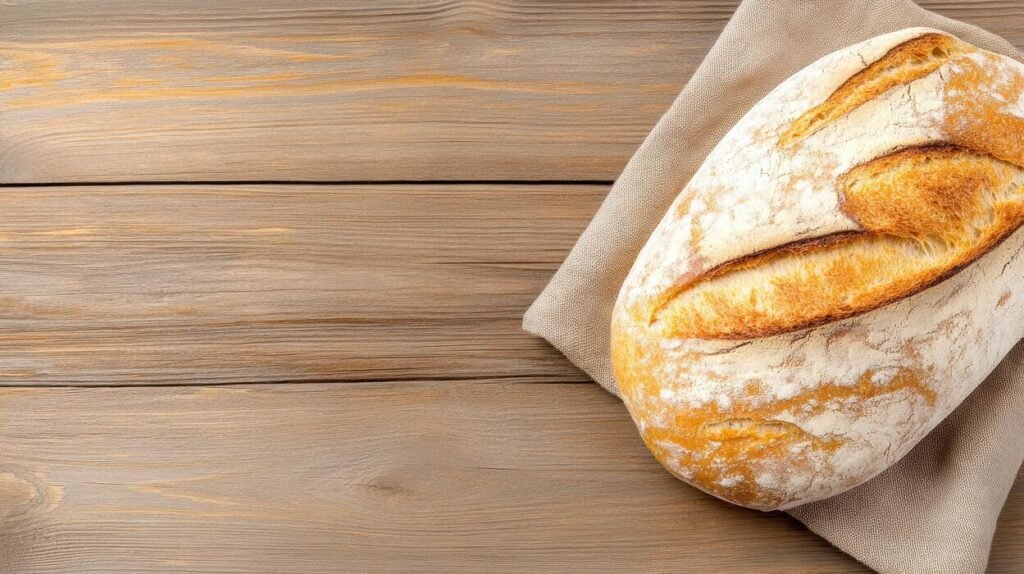
The natural acidity of sourdough resists mold, so these loaves keep longer than most — often a full week in a bread box or linen bag. Store cut-side down and never in the fridge, where the crust will turn leathery. If the crust softens after a few days, a quick five minutes in a hot oven crisps it right back up.
Baguettes and thin-crust breads
Baguettes have the most crust relative to crumb, so they stale fastest — often within eight hours. For day-of eating, keep them in a paper bag at room temperature. For tomorrow, wrap tightly in foil or plastic and refresh in the oven before serving. Baguettes are the one bread where day-two revival in the oven matters most.
Sandwich bread and soft rolls
Store these in a sealed plastic bag or airtight container at room temperature, squeezing out the air. They stay soft for five to seven days. Keep them away from the crusty breads if you store them together, since the humidity needs differ.
Homemade bread (no preservatives)
Homemade loaves stale fastest because they contain no commercial dough conditioners. Eat them within three to four days, store in a linen bag inside a bread box, and slice only what you need. If you bake often, plan portions the way you would with meal-prepped proteins — match the batch size to what your household actually eats in a few days.
Pros and Cons of Each Storage Method
- Bread box: Pros — best all-around freshness, stable humidity, attractive. Cons — takes counter space, needs regular cleaning.
- Linen/cotton bag: Pros — breathable, reusable, great for crusty bread. Cons — needs washing, slightly less moisture retention than plastic.
- Paper bag: Pros — cheap, keeps crust crisp. Cons — bread dries out fastest, single use.
- Plastic bag/wrap: Pros — keeps soft bread fresh longest, nearly free. Cons — ruins crisp crusts, higher mold risk, single-use plastic waste.
- Airtight container: Pros — good moisture control for soft breads. Cons — can trap too much humidity for crusty loaves.
Reviving Bread That Has Started to Go Stale
Slightly stale bread is not ruined — the starch crystallization that makes bread firm is partly reversible with heat and moisture. Try these rescues:
- The water-and-oven trick: Run the loaf quickly under the tap (or sprinkle it with water), then bake at 350°F (175°C) for 10–15 minutes. The steam re-gelatinizes the starches, and you get a nearly fresh loaf. This works best on crusty breads.
- Slice and toast: Stale slices make excellent toast — heat firms them pleasantly and masks dryness. Brush lightly with olive oil or butter first.
- Repurpose it: Bread that is too far gone for the table becomes great croutons, breadcrumbs, bread pudding, French toast, or panzanella salad. Stale bread absorbs custards and dressings better than fresh bread, so it is actually an upgrade for these dishes.
Mistakes to Avoid When Storing Bread
- Refrigerating bread. The single most common mistake. Fridge temperatures accelerate starch retrogradation, making bread stale up to three times faster than room-temperature storage.
- Wrapping warm bread. Trapped steam creates soggy crusts and mold. Always cool completely first.
- Leaving the bag open. An open bag lets the cut face dry out in hours. Reseal or rewrap after every single use.
- Storing bread near heat. On top of the fridge, next to the oven, or in a sunny spot — warmth speeds staling and encourages mold.
- Slicing the whole loaf in advance. Every slice doubles the exposed surface. Slice only what you plan to eat that day.
- Using the original twist-tie bakery bag for crusty bread. Thin plastic bags are fine for soft sandwich loaves but turn artisan crusts gummy. Transfer crusty bread to a linen bag or bread box.
Frequently Asked Questions
How long does bread last at room temperature?
Most breads stay fresh for four to seven days at room temperature when stored properly. Soft sandwich bread in a sealed bag lasts up to a week; crusty baguettes are best the same day and keep one to two days; sourdough often stays good for a full week in a bread box or linen bag.
Is it bad to put bread in the refrigerator?
Yes, for freshness. Refrigerator temperatures (35–40°F) speed up starch retrogradation, so bread goes stale faster in the fridge than on the counter. The one exception is in very hot, humid climates where mold grows within a day — there, the fridge prevents mold even though the texture suffers.
Does a bread box really keep bread fresh longer?
Yes. A bread box creates a stable microclimate that is slightly more humid than open air but ventilated enough to keep crusts from going soggy. Compared with leaving bread on the counter, a bread box typically adds two to three days of freshness.
What is the best way to store homemade bread without preservatives?
Cool it completely, then store it in a linen or cotton bread bag inside a bread box at room temperature. Slice only what you need each day and keep the cut face pressed together. Plan to finish homemade bread within three to four days.
Can I refresh stale bread in the oven?
Yes. Lightly dampen the loaf with water and bake at 350°F for 10–15 minutes. The heat and steam reverse starch crystallization, restoring a crisp crust and soft interior. It works once per loaf — repeated reheating dries bread out permanently.
Why does my bread get moldy before it goes stale?
Mold grows in warm, humid, airless conditions. If bread molds quickly, you are likely sealing it in plastic in a warm spot, or storing it while still warm. Switch to a breathable bag, store it in a cooler location, and make sure the loaf is fully cool before wrapping.
Keeping bread fresh without freezing comes down to a few simple habits: cool it fully, store it cut-side down in the right container for its type, keep it at cool room temperature away from heat, and slice only what you need. Master those, and you will throw away far less bread while enjoying better-tasting slices all week.