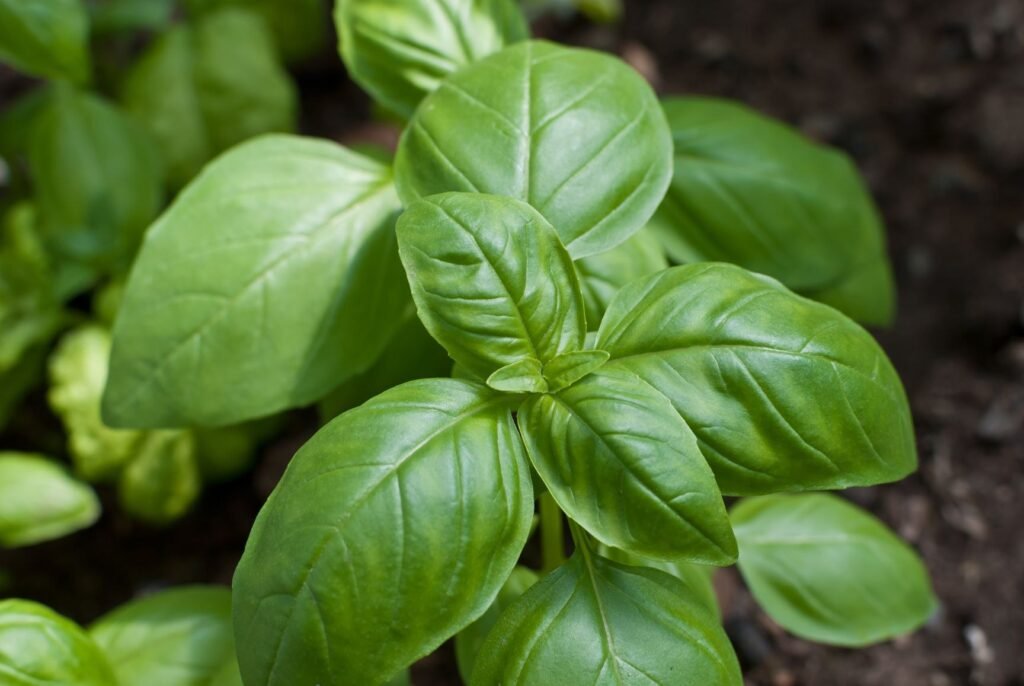
Learning how to keep basil fresh longer without refrigeration is worth the effort, because basil is one of the few herbs that actually suffers in the fridge. Cold temperatures turn its delicate leaves black and limp, which is why a bunch stored in the refrigerator often looks worse the next day than a bunch left on the counter. Treated like a bouquet of fresh flowers instead, basil can stay vibrant and fragrant for a week or longer at room temperature. This guide explains the method that works, the mistakes that ruin basil, and a few backup options for when you have more than you can use.
Why Basil Hates the Fridge
Basil is a warm-weather plant, and its leaves are unusually sensitive to cold. Temperatures below about 50 degrees Fahrenheit damage the leaf cells, causing dark spots and blackening that spread quickly once the bunch is back at room temperature. This is not spoilage in the usual sense; it is cold injury, and it cannot be reversed once it happens.
The fridge also dries herbs out through constant air circulation, and the moisture that does collect tends to sit on the leaves and encourage rot. Basil needs gentle humidity around its stems and dry leaves, which is the opposite of what a refrigerator drawer provides. Room-temperature storage with the stems in water gives it exactly what it wants: steady hydration without cold damage.
The Bouquet Method: Your Best Option
The bouquet method is simple and remarkably effective. Start by trimming about half an inch off the bottom of each stem at an angle, just as you would with cut flowers. An angled cut exposes more surface area for absorbing water. Remove any leaves that would sit below the waterline, since submerged leaves rot quickly and foul the water.
Place the stems upright in a jar or glass with about an inch or two of room-temperature water, enough to cover the cut ends but not the leaves. Set the jar on a countertop out of direct sunlight. Bright indirect light is ideal; a sunny windowsill can heat the water and wilt the leaves, while a dark cupboard slows the plant without helping it. A kitchen counter away from the stove is usually perfect.
Change the water every day or two, and re-trim the stems slightly each time you change it. Fresh water prevents bacterial buildup that clogs the stems and stops them from drinking. With this care, a healthy bunch typically stays fresh for seven to ten days, and some bunches last two full weeks, with the leaves staying green and aromatic throughout.
Choosing and Handling Basil at the Store or Market
Storage starts before you get home. Choose bunches with bright green, firm leaves and no dark spots or slimy stems. Avoid bunches that feel wet inside their packaging, since trapped moisture encourages rot. If you are picking basil from a garden, harvest in the morning when the leaves are firm and full of moisture, and bring the stems inside promptly rather than leaving them in the sun.
Do not wash basil until you are ready to use it. Water sitting on the leaves speeds up decay, especially in the folds where leaves overlap. When you do wash it, rinse gently, shake off excess water, and pat the leaves dry with a clean towel or spin them briefly in a salad spinner. Handle the leaves as little as possible, since bruised basil darkens fast.
If your bunch came wrapped in plastic, unwrap it as soon as you get home. Plastic traps moisture against the leaves and creates exactly the damp conditions that cause black spots. The bouquet jar is a far better home for it, and it doubles as a fragrant kitchen decoration.
The Damp Towel Method for Short Storage
If you only need basil to last a couple of days and do not have a suitable jar, the damp towel method works as a backup. Lay the unwashed stems in a single layer on a clean, slightly damp kitchen towel or paper towel, roll it up loosely, and place the roll in a breathable bag or container left open at room temperature. The towel keeps humidity around the leaves without soaking them.
Check the roll daily and replace the towel if it becomes soggy. This method usually keeps basil usable for two to three days, which is shorter than the bouquet method but much better than leaving the bunch loose on the counter or sealing it in plastic. It is also handy for basil you plan to use the same evening, since it keeps the leaves perky until cooking time.
What to Do With a Large Bunch You Cannot Use in Time
When a garden or a market deal leaves you with more basil than a week of cooking can use, preservation beats watching it wilt. Drying is the simplest no-fridge option: tie small bundles and hang them upside down in a warm, airy spot out of direct sunlight until the leaves crumble easily, then store the dried leaves in an airtight jar away from light. Dried basil loses the bright fresh flavor but works well in cooked sauces and soups.
Another option is making pesto and keeping it in a cool pantry spot for short-term use, although pesto keeps best with cold storage, so make only what you will use within a day or two if you are avoiding refrigeration entirely. Basil salt is a clever alternative: blend fresh leaves with coarse salt, spread the mixture on a tray to dry completely, and store it in a jar. It keeps for months at room temperature and adds basil flavor to finished dishes.
For the freshest flavor over time, nothing beats growing a small basil plant on a windowsill. A potted plant gives you a few leaves whenever you need them, which eliminates storage entirely. Even a small pot on a bright sill can supply a household through the growing season, and snipping the top leaves regularly encourages bushier growth.
Mistakes That Ruin Basil Fast
The number one mistake is refrigerating basil, which causes blackening within a day or two. The second is leaving leaves submerged in water, which rots the stems and fouls the jar. A third is crowding too many stems into a small jar, which traps moisture between leaves and speeds decay; use a jar wide enough that air can move between the stems.
Placing the jar next to a hot stove, in direct sun, or on top of a warm appliance wilts basil quickly. So does forgetting to change the water, since bacteria build up and block the stems from drinking. Finally, buying basil that is already spotted or slimy guarantees a short life no matter how well you store it, so inspect the bunch before you buy.
Similar care applies to other delicate produce. Foods that bruise or oxidize easily need gentle handling and the right storage method, not just a colder shelf, which is why guides like how to stop avocados from browning without lemon juice focus on matching the technique to the food rather than relying on one default. Basil rewards the same approach: match the method to the herb and it lasts far longer.
Keeping Basil Fresh in Different Situations
If you are transporting basil home from a market on a hot day, carry it in a paper bag rather than a sealed plastic bag, and get it into water as soon as you arrive. If you must leave it for a few hours, a quick dip of the stem ends in water and a loose covering over the leaves will hold it until you can set up the jar properly.
In a warm kitchen during summer, the bouquet method still works, but change the water daily rather than every other day, and move the jar to the coolest counter spot you have. If leaves start to wilt despite fresh water, re-trim the stems and give the bunch a brief soak: submerge the whole bunch in cool water for ten minutes, then shake it dry and return it to the jar. This often revives mildly wilted basil.
For cooks who freeze foods regularly, note that basil can be preserved without cold storage at all through drying and basil salt, as described above. If you later decide to use cold storage for other foods, the same principle of protecting delicate items from moisture and air applies, as shown in guides such as how to keep ice cream from freezer burn without fancy gear. The details differ, but the idea is the same: the right container and the right conditions matter more than simply making things colder.
A Simple Daily Routine for Fresh Basil
Set up the jar once, then spend less than a minute a day on it. Each morning, check the water level and top it up if needed, and every other day swap in fresh water with a quick stem trim. Pick leaves from the top down, which encourages the plant to keep producing, and use the oldest or largest leaves first. With that tiny routine, a single bunch covers a week of salads, pastas, sandwiches, and sauces without a single black leaf.
Basil is forgiving when you respect its preferences: warmth, water for the stems, dry leaves, and fresh air. Give it those four things and it will stay fresh far longer than most people expect, no refrigerator required.
Frequently Asked Questions
How long does basil last at room temperature in water?
With fresh water every day or two and regular stem trimming, a healthy bunch typically lasts seven to ten days, and some bunches last up to two weeks. Leaves should stay green and fragrant; discard any that turn dark or slimy.
Why does my basil turn black in the fridge?
Basil is sensitive to cold, and temperatures below about 50 degrees damage its leaf cells, causing black spots that spread quickly. This cold injury cannot be reversed, which is why room-temperature storage works better for basil than refrigeration.
Should I cover the basil jar with a bag?
A loose covering can help in very dry rooms by holding humidity around the leaves, but it is optional. If you cover it, leave the covering loose so air can circulate, and remove it if you see condensation building up on the leaves.
Can I revive wilted basil?
Often, yes. Re-trim the stems at an angle, soak the bunch in cool water for about ten minutes, shake off excess water, and return it to a jar of fresh water. Mildly wilted leaves usually perk up within an hour.
Is it better to store basil as a plant or as cut stems?
A potted plant lasts longest because it keeps growing, but cut stems in water are nearly as good for a week or more. If you cook with basil regularly, a small potted plant on a bright windowsill is the most convenient option of all.
Can I dry basil without special equipment?
Yes. Tie small bundles and hang them upside down in a warm, airy spot out of direct sunlight until the leaves crumble easily, then store them in an airtight jar away from light. Dried basil works well in cooked dishes, though it lacks the bright flavor of fresh leaves.