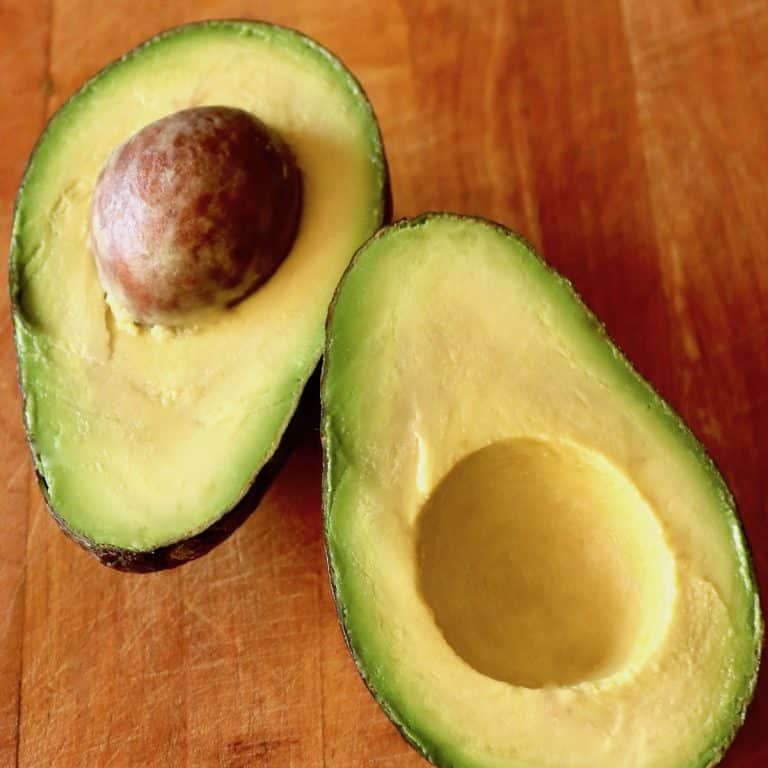
You cut open a perfectly ripe avocado, use half, and put the rest in the fridge. Two hours later it looks like a science experiment gone wrong. If you are wondering how to stop avocados from browning without lemon juice, you are not alone — plenty of people dislike the sour flavor citrus adds, and sometimes there just is not a lemon in the house. The good news is that lemon is only one of several tools against browning, and several of the alternatives work just as well. This guide explains why avocados brown in the first place and walks through the most effective no-lemon methods, ranked by how well they work.
Why Avocados Turn Brown So Fast
Browning in avocados is caused by an enzyme called polyphenol oxidase, which reacts with oxygen in the air. The moment you cut into an avocado and expose its flesh, that enzyme starts oxidizing the surface, and the bright green color begins to fade. The brown color is not mold and it is not dangerous — it is the same reaction that darkens apples and potatoes. However, the discolored areas can develop a slightly bitter, off taste over time, and nobody wants to serve brown guacamole.
The key insight is simple: browning needs oxygen. Every effective method on this list works by doing one of two things — blocking air from reaching the surface or slowing down the enzyme. Lemon juice does both (its acidity slows the enzyme), but you can achieve the same protection with barrier methods and a few clever tricks.
7 Proven Ways to Stop Avocados from Browning Without Lemon Juice
1. Submerge It in Water
This is one of the simplest and most reliable methods. Place the cut avocado half face-down in a shallow bowl of cold water, cover it, and refrigerate. Water blocks oxygen completely, so the enzyme cannot react. The flesh will stay green for up to two days.
Pros: Zero ingredients needed, very effective, adds no flavor at all.
Cons: The surface can get slightly waterlogged if left longer than two days; pat it dry before using.
Best for: Avocado halves you plan to slice or mash the next day.
2. Brush on a Thin Layer of Oil
Olive oil, avocado oil, or any neutral oil creates an airtight seal on the cut surface. Brush a thin, even layer over all exposed flesh, then store the avocado in a covered container in the fridge. The oil prevents oxygen from reaching the enzymes.
Pros: Adds a pleasant richness, easy to do, works for up to two days.
Cons: Changes the texture slightly; not ideal if you are avoiding added fats.
Tip: Avocado oil is the most flavor-neutral option if you do not want an olive taste.
3. Store It with Onion
Cut a red or white onion, place a few chunks at the bottom of an airtight container, and set the avocado half (or a bowl of guacamole) inside without touching the onion. Onion releases sulfur compounds that slow the browning enzyme. Close the container and refrigerate.
Pros: Surprisingly effective for guacamole — keeps it green for up to three days; adds no onion flavor if the pieces do not touch the avocado.
Cons: The container will smell like onion when you open it.
Best for: Big batches of guacamole and avocado dips.
4. Wrap Tightly in Plastic Wrap
Press plastic wrap directly against the cut surface so no air bubbles remain, then seal it tight. The closer the contact, the less oxidation occurs. Store the wrapped avocado in the fridge.
Pros: No extra ingredients, quick, works for about a day.
Cons: Less reliable than water or onion — any trapped air pocket will brown.
Tip: Wrap the half with the pit still in it for extra surface protection on one side.
5. Use Vinegar or Lime-Free Acid Alternatives
If the goal is avoiding lemon specifically (rather than all citrus), a light sprinkle of white vinegar or rice vinegar also slows the enzyme thanks to its acidity. Use just a few drops — too much will overpower the mild avocado flavor. White vinegar is the most neutral choice.
Pros: Nearly as effective as lemon juice itself.
Cons: Can add a sharp flavor if you are heavy-handed; skip if you dislike vinegar.
6. Use an Airtight Container with a Damp Paper Towel
Place the cut avocado in an airtight container lined with a damp (not soaking) paper towel, then seal it. The sealed container limits airflow, and the humidity keeps the surface from drying out and oxidizing. This works well for sliced avocado.
Pros: Great for pre-sliced avocado for meal prep; no flavor changes.
Cons: Only lasts about a day before some browning appears on exposed edges.
7. Vacuum Seal It
If you own a vacuum sealer, it is the gold standard. Removing nearly all the air around a cut avocado stops oxidation almost completely, keeping it green for up to three days in the fridge.
Pros: The most effective option by far, no flavor impact at all.
Cons: Requires equipment many home kitchens do not have.
Quick rule of thumb: the less air touching the avocado, the greener it stays. Every method here is really just a different way to keep oxygen away from the cut surface.
Which Method Works Best for Guacamole?
Guacamole has much more exposed surface area than a halved avocado, so it browns faster — often within an hour. For a bowl of guacamole without lemon juice, the onion method is the standout winner: smooth the top flat, place onion chunks in the container, seal it airtight, and refrigerate. Many cooks also press plastic wrap directly onto the smoothed surface of the guacamole before putting the lid on — the double barrier works remarkably well.
If you are making guacamole ahead for a party, aim to make it no more than a day in advance, and give it a good stir before serving. Stirring folds any lightly browned surface back into the bowl, where it disappears into the mix — the same trick works for a top layer that darkened slightly overnight.
Storage Mistakes That Make Browning Worse
- Leaving it uncovered in the fridge. Open air is the fastest path to a brown avocado. Every successful method involves covering the surface.
- Storing at room temperature. Once cut, avocado belongs in the fridge. Warmth speeds up the enzyme and shortens its life dramatically.
- Removing the pit too soon. The pit physically shields the flesh under it from air. Keep the pit in the unused half — it will not save the whole surface, but it helps.
- Using a knife that is not sharp. A dull knife crushes and bruises the flesh, damaging more cells and triggering faster browning at the cut surface. Slice cleanly.
- Mashing before storage. Mashed avocado has far more air exposure than slices or halves. If you need to prep ahead, store halves or thick slices and mash right before serving.
Start with the Right Avocado
No storage trick can rescue an avocado that was already overripe when you cut it. An avocado that is soft, stringy, or starting to brown near the stem will brown faster no matter what method you use. Choose avocados that yield gently to light pressure at the stem end and feel firm but not hard through the rest of the fruit. If you are prepping ahead for an event, buy them slightly underripe a day or two early and let them ripen on the counter — a just-ripe avocado browns noticeably slower than one that is past its peak.
Whole, uncut avocados stay good at room temperature for several days while ripening, and moving them to the fridge once ripe slows the ripening process by several more days. Think of storage as a two-stage game: ripen on the counter, refrigerate once ripe, and apply an oxygen-blocking method the moment you cut. Getting all three stages right means less waste and greener fruit every time.
How Long Can You Keep a Cut Avocado?
With proper storage, a cut avocado stays fresh and green for one to three days in the refrigerator, depending on the method:
- Uncovered in the fridge: browns within 1–2 hours
- Wrapped in plastic: about 1 day
- Brushed with oil or stored with onion: up to 2–3 days
- Submerged in water or vacuum sealed: up to 3 days
After three days, even well-stored avocado should be checked for off smells, slimy texture, or a sour taste before eating. When in doubt, throw it out. Freshness-stretching tricks are for quality, not safety.
The same oxygen-blocking logic applies to other produce too — keeping bananas from browning in a smoothie overnight relies on similar airtight techniques, and the humidity-control tricks in how to keep lettuce fresh for a week follow the same keep-air-and-moisture-balanced principle.
Frequently Asked Questions
Why do avocados turn brown so quickly?
Avocados brown because an enzyme called polyphenol oxidase reacts with oxygen once the flesh is exposed. The brown color is harmless oxidation — the same reaction that darkens apples — but it can taste slightly bitter and looks unappealing.
Can you eat brown avocado?
Yes. Browning is not spoilage; it is just oxidation. Brown avocado is safe to eat as long as it still smells and tastes fine. Scrape off the browned layer or stir it back in — the rest underneath is usually perfectly green.
Does the pit really stop an avocado from browning?
Only partially. The pit blocks air from the flesh directly underneath it, so that spot stays green — but the exposed areas around it brown just as fast. The pit helps, but it is not a complete solution on its own.
What can I use instead of lemon juice on guacamole?
Onion chunks stored in the same airtight container are the best lemon-free option for guacamole, followed by pressing plastic wrap directly onto the smoothed surface. A light splash of white vinegar works too, and stirring before serving hides any light surface browning.
Can you freeze cut avocado to stop it from browning?
Yes. Mash the avocado with a small amount of oil or store halves with the pit removed in an airtight freezer bag, and freeze for up to three months. Freezing stops browning entirely, though the texture softens — frozen avocado is best for smoothies, dressings, and dips rather than slicing.
How do restaurants keep guacamole green all day?
Most restaurants make guacamole in small batches, keep it chilled, and cover it tightly between servings. Many also smooth the surface and press plastic wrap directly onto it. The real secret is turnover — it rarely sits long enough to brown.