
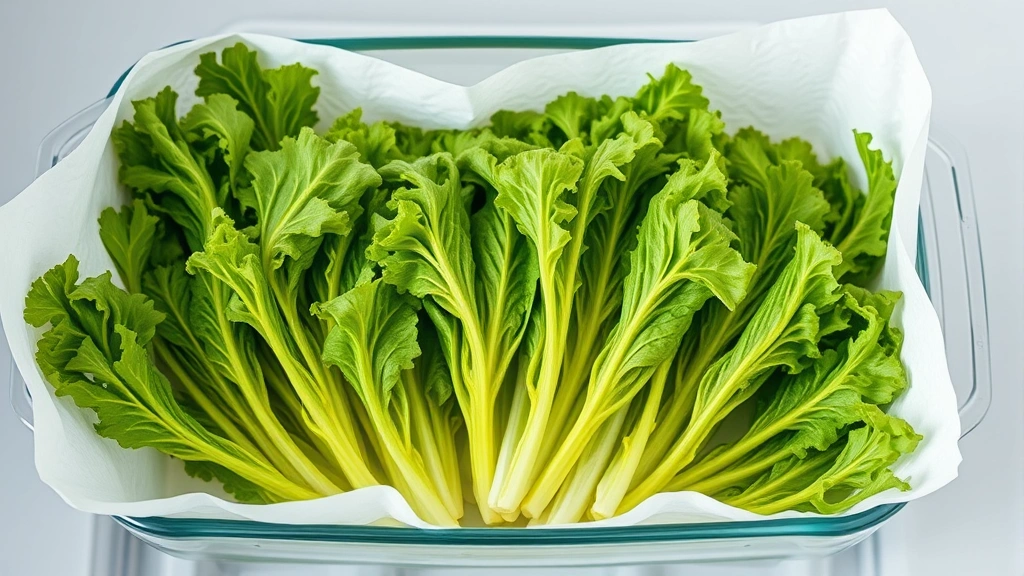
Learning how to keep lettuce fresh for a week without a salad spinner solves one of the most annoying kitchen problems: buying beautiful crisp greens, only to find them slimy and wilted three days later. A salad spinner is convenient, but it is far from necessary. The real enemy of lettuce is not a lack of spinning — it is excess surface moisture combined with poor airflow, both of which you can control with a roll of paper towels, the right container, and a few storage habits. With the right technique, a head of lettuce or a box of salad greens can stay crisp and usable for a full week, sometimes longer.
This guide explains why lettuce wilts, the step-by-step paper towel method that keeps greens crisp for days, how to handle different types of lettuce, and the common mistakes that send greens to the trash.
Why Lettuce Goes Bad So Fast
Lettuce is over 90 percent water, held inside thin, delicate cell walls. Three things destroy those cells:
- Surface moisture. Water sitting on the leaves creates the perfect environment for bacteria and mold, which turn leaves slimy. This is the biggest killer — a salad spinner’s only real job is removing this water, and paper towels do it just as well.
- Ethylene gas. Fruits like apples, bananas, pears, and avocados release ethylene as they ripen, and ethylene accelerates wilting and browning in leafy greens. Lettuce stored next to fruit dies faster.
- Physical damage. Crushed or torn leaves release enzymes that cause browning. This is why bagged greens packed tightly often brown at the edges, and why gentle handling matters.
The goal of good storage is simple: keep the leaves lightly humid so they do not dry out, but free of standing water so they do not rot, and away from ethylene producers.
The Paper Towel Method: Step-by-Step
This is the single most effective way to keep lettuce fresh for a week without a salad spinner. It works for whole heads, chopped lettuce, and store-bought salad mixes.
- Separate and inspect the leaves. For a whole head, peel off any outer leaves that are already wilted or damaged — they spread decay to the healthy leaves. For bagged greens, pick out any slimy pieces first.
- Wash only if needed. If the lettuce is visibly dirty, rinse it in cold water. If it is a pre-washed bag that looks clean, skip washing — every wash adds moisture you then have to remove.
- Dry thoroughly — this is the critical step. Without a spinner, dry leaves by laying them in a single layer on a clean kitchen towel or several layers of paper towels. Gently press or roll the towel over the leaves to blot moisture. For chopped lettuce, spread it on a towel-lined baking sheet and pat dry. The leaves should feel damp but not wet — no visible water droplets.
- Line a container with paper towels. Use a container with a lid — a large food storage container, a zip-top bag, or even the original clamshell. Place a layer of dry paper towels on the bottom.
- Layer the lettuce loosely. Add a layer of lettuce, then another paper towel, and repeat. Do not pack it down; air circulation between layers is what keeps everything crisp. For a whole head, you can wrap the entire head in a large paper towel or a clean, dry kitchen towel.
- Seal and refrigerate. Close the lid or seal the bag, leaving a small bit of air inside. Store in the crisper drawer, which holds humidity better than the main shelves. Set the crisper’s humidity slider to high if it has one.
- Check and refresh the towels mid-week. Around day three or four, open the container. If the paper towels are damp, swap in fresh dry ones. This one habit is what carries lettuce from “lasts five days” to “lasts a full week.”
Whole Head vs. Chopped Lettuce vs. Bagged Greens
Different forms of lettuce have different storage lives:
Whole heads (romaine, iceberg, butterhead)
Whole heads last the longest — easily a week, often up to ten days — because the outer leaves protect the inner ones. Keep the core intact, since cutting the head exposes more surface area to decay. Wrap the whole head in a dry paper towel or clean kitchen towel, place it in a loosely closed bag or container, and refrigerate. Do not chop it until you are ready to eat.
Chopped or torn lettuce
Chopped lettuce lasts about five to seven days with the paper towel method. Every cut edge is a browning risk, so tear leaves by hand rather than cutting with a knife when you can — tearing follows the leaf’s natural structure and damages fewer cells. Store using the layered paper towel method above.
Bagged salad mixes
Bagged greens are the most perishable because they are already cut and have been handled the most. Transfer them out of the sealed commercial bag into your own container with paper towels as soon as you get home. The manufacturer’s bag is designed for shelf display, not longevity — moving greens to a paper-towel-lined container typically adds two to three days of life.
Should You Wash Lettuce Before Storing?
This is the most debated question in lettuce storage, and the honest answer is: it depends.
Wash before storing if: the lettuce came from a farmers market or garden, is visibly dirty or gritty, or is a type you will eat raw within a day or two. Just be meticulous about drying — any residual water undoes the benefit of washing.
Do not wash before storing if: you bought pre-washed bagged greens, the head looks clean, or you want maximum storage life. Unwashed lettuce with intact outer leaves keeps longer. Wash it right before eating instead.
Either way, the rule never changes: never store wet lettuce. Moisture is the enemy. A salad spinner removes water fast, but patient towel-drying works just as well — it just takes a few extra minutes.
Drying Lettuce Without a Salad Spinner: 4 Techniques
1. The towel roll
Spread washed leaves on a large clean kitchen towel, roll it up loosely like a sleeping bag, and gently press. Unroll, shake the leaves loose, and repeat on a dry section of towel. This is the fastest manual method.
2. The pillowcase shake
Place damp leaves in a clean pillowcase, gather the opening closed, and swing it gently in a circle outdoors or over the sink. Centrifugal force flings water off — it is the low-tech version of a salad spinner and surprisingly effective.
3. The colander toss
Put chopped lettuce in a colander and toss it upward repeatedly, letting water drain through. Then spread on towels to finish. Good for large batches.
4. The paper towel press
Layer leaves between paper towels and press gently with your palms. Best for delicate greens like butterhead that bruise easily. Use plain white paper towels without printed patterns, which can transfer ink.
Where to Store Lettuce in the Fridge
Use the crisper drawer. It is designed to hold higher humidity than the rest of the fridge, which keeps leaves from drying out. If your drawer has a humidity control, set it to high for leafy greens.
Keep it away from the back wall. The coldest spot in many fridges is against the back wall, where lettuce can partially freeze and turn to mush. The crisper drawer protects against this.
Keep it away from fruit. Store lettuce away from apples, bananas, pears, peaches, avocados, and tomatoes — all heavy ethylene producers. If your crisper has two drawers, dedicate one to greens and vegetables and put fruit in the other.
Ideal temperature: Lettuce keeps best just above freezing, around 32 to 36 degrees Fahrenheit. Most fridge crispers sit right in this range.
Common Mistakes That Ruin Lettuce
Storing it wet. The number one killer. Even a little standing water in the container breeds slime within days. Dry thoroughly, whatever method you use.
Leaving it in the original sealed bag. Commercial bags trap moisture and ethylene with no airflow. Transfer greens to a breathable setup with paper towels on day one.
Storing it next to fruit. One apple in the same drawer can cut your lettuce’s life in half. Keep ethylene producers separate.
Packing the container too tight. Crushed leaves bruise and rot faster. Fill containers loosely and leave headroom.
Never checking mid-week. Paper towels saturate. A thirty-second check and towel swap around day three or four is the difference between five-day lettuce and seven-day lettuce.
Cutting with a dull knife. A dull blade crushes cells along the cut, causing faster browning. Tear by hand or use a sharp knife.
Storing at room temperature. Lettuce belongs in the fridge from the moment you get home. Even an hour on a warm counter accelerates wilting.
Paper Towel Method vs. Salad Spinner: Honest Comparison
Salad spinner pros: faster drying, reusable, no paper waste. Cons: costs money, takes up cabinet space, only dries — it does not help with storage humidity afterward.
Paper towel method pros: free if you already have towels, actively manages moisture during the whole storage week (not just at wash time), works for any quantity. Cons: uses paper towels, takes a few minutes longer to dry initially.
For storage life, the paper towel method actually has an edge: a spinner dries leaves once, but paper towels keep absorbing condensation for days. Many cooks who own spinners still use the paper towel layering trick for storage.
What to Do With Lettuce That Is Starting to Wilt
Slightly wilted lettuce is not dead lettuce. Soak limp leaves in a bowl of ice water for 15 to 30 minutes — the cold water rehydrates the cells and often restores surprising crispness. Dry them well afterward and use them the same day. This trick works best on whole leaves that are wilted but not slimy. Once leaves turn slimy, brown, or smell off, they are done — compost them and move on.
Keeping greens fresh longer is one of the simplest ways to cut food waste — the same paper towel principles work beautifully for storing fresh herbs so they last longer, and pair well with smart meal prep habits that keep food fresh all week. If you are cooking more vegetables in general, these crispy roasted chickpeas make a great crunchy salad topping for all that fresh lettuce.
Frequently Asked Questions
How long does lettuce last in the fridge?
A whole head of romaine or iceberg lasts 7 to 10 days with proper storage. Chopped lettuce lasts about 5 to 7 days, and bagged salad mixes last 3 to 5 days — longer if you transfer them to a paper-towel-lined container.
Can I use a kitchen towel instead of paper towels?
Yes. A clean, dry cotton kitchen towel or flour sack towel works just as well, and it is reusable. The key is that the towel is clean and dry — a damp or dirty towel introduces the very moisture and bacteria you are trying to avoid.
Should I remove the core of the lettuce before storing?
No. Keep the core intact on whole heads — it holds the leaves together and the outer leaves protect the inner ones. Remove the core only when you are ready to use the lettuce.
Why does my lettuce get slimy in the bag?
Sliminess comes from trapped moisture and lack of airflow in sealed commercial bags, plus ethylene buildup. Transferring greens to a container lined with paper towels and storing them away from fruit prevents it.
Can you freeze lettuce?
Freezing ruins the crisp texture of raw lettuce — thawed leaves turn limp and watery. It is only worth freezing if you plan to cook it, such as blending into soups or smoothies. For salads and sandwiches, proper refrigeration is the way.
Does the type of lettuce affect storage life?
Yes. Sturdy varieties like romaine and iceberg last longest. Delicate greens like butterhead, spring mix, and arugula wilt faster and need the most careful drying and gentlest handling.













1 thought on “How to Keep Lettuce Fresh for a Week Without a Salad Spinner”
Comments are closed.