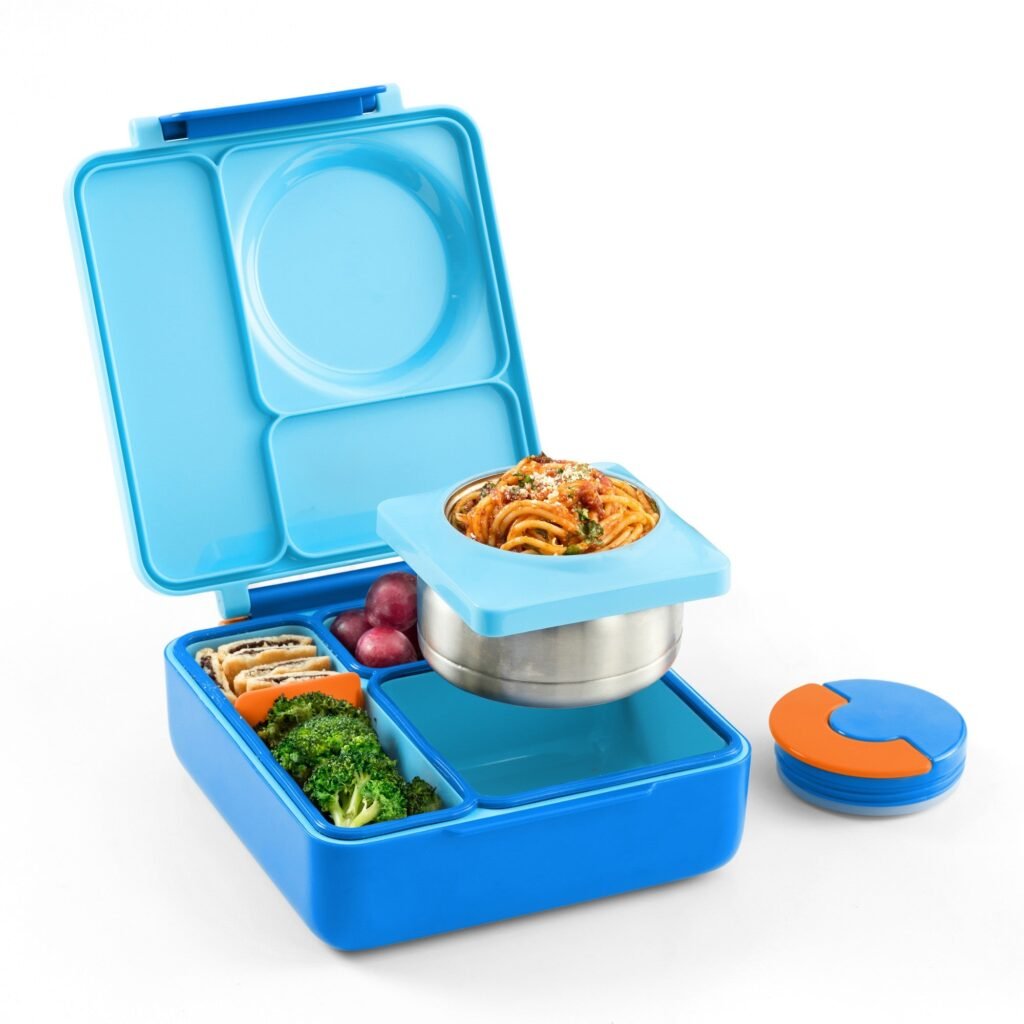
Learning how to keep a lunchbox from smelling without baking soda is easier than it sounds, because the smell rarely comes from one big cause. It builds up from tiny traces of food, moisture trapped under lids and seals, and containers that are closed while still damp. Baking soda is a popular fix, but it is far from the only one. Vinegar, lemon, dish soap, sunlight, and above all, a few simple daily habits can keep a lunchbox fresh without ever opening a box of baking soda.
The trick is to think of odor control as a routine, not a rescue mission. A lunchbox that is emptied, rinsed, and dried every day almost never develops a stubborn smell. A lunchbox that sits closed in a bag overnight with leftover crumbs and a damp seal will smell within days, no matter how good the container is. This guide covers the daily routine that prevents odors, the deep-clean methods that remove a smell that is already there, and the packing choices that stop smells before they start.
Why Lunchboxes Smell in the First Place
Most lunchbox odors come from bacteria and mold growing on leftover food and moisture. Warm, dark, sealed spaces are ideal for them. A smear of yogurt in a corner, a few drops of juice under a silicone seal, or condensation trapped by a snapped-shut lid can all feed growth that produces a sour or stale smell. Strong foods such as onions, garlic, eggs, and fish leave their own lingering odors in plastic, which absorbs smells more readily than glass or stainless steel.
Seals and gaskets deserve special attention. Many modern lunchboxes have removable silicone rings or intricate lids with hinges and clasps. Food and moisture hide in those crevices, and a quick rinse of the main compartment misses them entirely. If a lunchbox smells even after washing, the seal is the first place to check. Similarly, fabric lunch bags can absorb spills and hold odors of their own, so a clean container inside a dirty bag can still smell when opened.
Another culprit is timing. Food left in a lunchbox for hours after lunch, especially in a warm bag or a car, continues to break down. By evening, the smell has had time to settle into the plastic. The single most effective habit is also the simplest: empty the lunchbox as soon as possible after it comes home, every single day.
The Daily Routine That Prevents Odors
A fresh lunchbox is mostly a matter of five minutes a day. Make this routine automatic and smells rarely get a chance to form.
- Empty it right away. Tip out leftovers, wrappers, and crumbs as soon as the lunchbox comes home. Do not leave it in a backpack overnight.
- Rinse promptly. A quick rinse with warm water stops food from drying onto surfaces and seals.
- Wash with dish soap. Wash the container, lid, and any inserts with warm water and dish soap. Use a bottle brush or an old toothbrush for corners and seal grooves.
- Remove the seal. If the lid has a removable silicone gasket, take it out and wash it separately at least a few times a week.
- Dry completely before closing. Let every part air-dry fully, ideally upside down on a rack, before snapping the lid shut. Closing a damp lunchbox is one of the fastest ways to grow a smell.
- Store it open. If possible, store the lunchbox with the lid resting loosely on top or slightly ajar, so air can circulate.
This routine sounds obvious, but it is where most odor problems start. Skipping even one step, especially drying, lets moisture sit in a sealed container for hours. Over a week, that repeated dampness builds into a smell that needs a deep clean to remove.
Deep-Clean Methods Without Baking Soda
If a lunchbox already smells, a normal wash may not be enough. The methods below tackle absorbed odors without baking soda. Try them one at a time, and wash with dish soap afterward.
White Vinegar Soak
White vinegar is a strong odor neutralizer and a mild disinfectant. Fill the lunchbox with a mixture of one part white vinegar to two parts warm water, or simply wipe all surfaces with undiluted vinegar and let it sit for 30 minutes. For a stubborn smell, soak for a few hours. Vinegar itself has a sharp smell, but it fades completely as it dries, taking the old odor with it. Wash with dish soap after soaking, rinse well, and air-dry fully. Avoid vinegar on natural stone or unsealed metal parts, and check the container instructions if you are unsure.
Lemon Juice and Lemon Halves
Lemon is both acidic and fresh-smelling, which makes it a good deodorizer for plastic and stainless steel. Rub a cut lemon half over the inside of the container, squeeze in some juice, and let it sit for 20 to 30 minutes before washing. For a deeper treatment, fill the container with warm water, add the juice of one lemon, and soak for an hour. Lemon works especially well on fish, onion, and garlic odors. Rinse thoroughly afterward, since leftover juice can feel sticky.
Dish Soap and Hot Water Soak
Sometimes the simplest method is enough if given time. Fill the lunchbox with hot water and a generous squirt of dish soap, close it loosely or leave it open, and let it soak for an hour or overnight. The soap cuts grease that traps odors, and the long soak reaches into corners that a quick wash misses. Scrub with a brush afterward, paying attention to hinges and seal grooves, then rinse and dry completely.
Sunlight and Fresh Air
Sunlight is a free and surprisingly powerful deodorizer. After washing, place the open lunchbox in direct sunlight for a few hours. Ultraviolet light helps break down odor-causing compounds, and moving air carries smells away. This works best for plastic containers, which absorb odors most readily. Do not leave a lunchbox in intense sun for days on end, since prolonged exposure can fade colors and weaken some plastics, but a few hours after washing is safe and effective for most containers.
Denture Tablets or Dishwasher Tablets
For a very stubborn smell, a denture cleaning tablet dissolved in warm water inside the lunchbox can help. These tablets are designed to clean and deodorize, and they fizz into corners that brushes miss. Fill the container with warm water, drop in one tablet, and let it work for the time stated on the package. Rinse extremely well afterward with clean water and dish soap, since this is a cleaning product, not a food. This is a good occasional deep clean, not a daily method.
Cleaning the Parts People Forget
A lunchbox is more than its main compartment. Each of these parts can hold a smell on its own:
- Silicone seals and gaskets. Remove them, soak in warm soapy water or vinegar water, scrub gently, and dry fully before replacing. If a seal is cracked, stained, or still smells after soaking, replace it if the manufacturer sells spares.
- Hinges, clasps, and latches. Food splashes into hinge joints. Brush them with a toothbrush and soapy water, rinse, and dry.
- Dividers and small containers. Wash every insert, even ones that held only dry food. Crumbs collect in divider slots.
- Ice packs. Wipe reusable ice packs with soapy water and dry them. A leaking or sticky ice pack can scent everything around it.
- The lunch bag itself. Fabric bags can often be machine washed or wiped down. Check the care label. A clean container in a smelly bag will still smell when the bag is opened, so wash the bag regularly too.
If you pack food in containers that also need odor help, the same principles apply to other storage. For example, keeping fruit fresh longer also depends on dryness and airflow, as explained in Keep Strawberries Fresh Longer Without Washing First. And for pantry staples, How to Keep Bread Fresh Longer Without Freezing It: Tips shows how moisture control keeps food tasting fresh.
Smart Packing Tricks That Stop Smells
Prevention does not stop at washing. How you pack food affects how much odor develops during the day.
Keep Strong Foods Sealed Separately
Foods with strong smells, such as eggs, fish, onions, and garlicky leftovers, should go in their own small, tightly sealed container inside the lunchbox, rather than loose in a shared compartment. This contains the odor and stops it from soaking into the main box. A small lidded container is easier to wash thoroughly than a large compartment with dividers.
Cool Food Before Packing
Packing hot food directly into a sealed lunchbox creates steam, and steam becomes condensation. That trapped moisture encourages bacterial growth and odor. Let cooked food cool to room temperature before packing, or at least until it is no longer steaming. For food safety, do not leave perishable food sitting out for long periods; cool it promptly and pack it once it has stopped steaming.
Use the Right Container Material
Plastic is light and cheap, but it absorbs odors more than other materials. Stainless steel and glass resist odors far better and are easier to deodorize when a smell does occur. If your lunchbox smells again and again despite good habits, switching to stainless steel or glass containers for the smelliest foods may solve the problem. For kids, stainless steel is usually the practical choice: durable, odor-resistant, and light enough to carry.
Line and Separate Wet Foods
Sauces, dressings, and juicy fruits leak and spread. Pack dressings in a separate small container and add them at mealtime. Use silicone cupcake liners or small containers to separate wet items from dry ones inside a bento box. A paper towel or a small piece of parchment under juicy items can catch drips, and it can be thrown away at lunch rather than sitting damp all afternoon.
Do Not Overfill
An overfilled lunchbox presses food against the lid and into seal grooves, where it is hard to clean out. Leave a little space in each compartment. Food stays in place, the lid closes cleanly, and washing is much easier.
What About the Smell That Will Not Go Away?
Some plastic containers develop a permanent smell after long use, especially if they have held strong foods repeatedly or have been closed while damp many times. If you have tried a vinegar soak, a lemon treatment, a soap soak, and sunlight, and the container still smells strongly when dry, the odor may be absorbed deep into the plastic itself. At that point, replacement is the honest answer.
Before replacing, check whether only one part is the problem. A new seal or a new small inner container is cheaper than a whole lunchbox, and often the seal is the real source. If the main body is the problem, recycle it if possible and choose a stainless steel or glass replacement for the foods that caused the trouble.
Also check for damage. Scratches and cuts inside plastic harbor bacteria that washing cannot fully reach. A heavily scratched container is harder to keep fresh and may be worth replacing. Similarly, a lid that no longer closes tightly lets air and moisture move in ways that encourage odor, and a warped container is difficult to dry fully.
Mistakes to Avoid
The most common mistake is closing a lunchbox while it is still wet. Even a few drops of water trapped under a seal can produce a musty smell by the next morning. Always air-dry fully, and store the box open or ajar when it is not in use.
Another mistake is only washing the main compartment. Seals, hinges, and inserts need attention too, and skipping them leaves the smell source untouched. A third mistake is using strongly scented cleaners or air fresheners inside a lunchbox. These mask the smell for a day and leave a chemical scent that transfers to food. Stick to food-safe cleaners: dish soap, vinegar, and lemon.
Avoid putting a lunchbox in the dishwasher if the manufacturer says not to. High heat can warp lids and damage seals, creating gaps where food hides. Even when a container is dishwasher-safe, hand-washing the lid and seal often cleans them better. And never store a lunchbox in a warm place, such as a car or near a heater, with food still inside. Heat accelerates spoilage and odor.
A Weekly Routine for a Permanently Fresh Lunchbox
Daily washing handles most of the work, but a short weekly routine keeps things fresh long term:
- Once a week, remove all seals and inserts and wash them separately with warm soapy water.
- Inspect for stains and scratches and treat any stained spots with lemon or vinegar.
- Wash the lunch bag according to its care label, or wipe it down inside and out.
- Air the lunchbox in sunlight for an hour or two after washing, when possible.
- Check ice packs for leaks or stickiness and wipe them clean.
This weekly check takes about 10 minutes and catches small problems before they become stubborn smells. Combined with the daily empty-rinse-wash-dry routine, it keeps even a heavily used lunchbox smelling neutral.
FAQ
Why does my lunchbox smell even after washing it?
The smell is usually hiding in the seal, hinges, or a damp spot that was closed before drying. Remove the seal, scrub the grooves with a toothbrush, and let every part dry completely before closing. A vinegar soak can clear odors that a quick wash leaves behind.
Can vinegar really replace baking soda for lunchbox odors?
Yes. White vinegar neutralizes many food odors and acts as a mild disinfectant. Soak or wipe with vinegar, let it sit, then wash with dish soap. The vinegar smell fades as it dries and does not linger in the container.
Is it safe to use lemon juice in a plastic lunchbox?
Yes, lemon juice is food-safe and works well on plastic and stainless steel. Rub or soak with lemon, then rinse thoroughly. Avoid leaving lemon juice sitting for very long periods on delicate finishes, and always wash afterward.
Should I store my lunchbox open or closed?
Store it open or with the lid resting loosely on top. A sealed, empty lunchbox traps any remaining moisture and can develop a musty smell even without food inside. Airflow is your friend.
Does the lunch bag need cleaning too?
Yes. Fabric bags absorb spills and odors. Wash or wipe the bag regularly, and let it dry fully before use. A clean container inside a dirty bag will still smell when opened.
When should I just replace a smelly lunchbox?
Replace it when the smell persists after a vinegar soak, lemon treatment, soap soak, and sunlight, or when the plastic is heavily scratched, warped, or the seal is damaged. In that case, the odor is likely absorbed deep into the material or trapped in damage that washing cannot reach.