
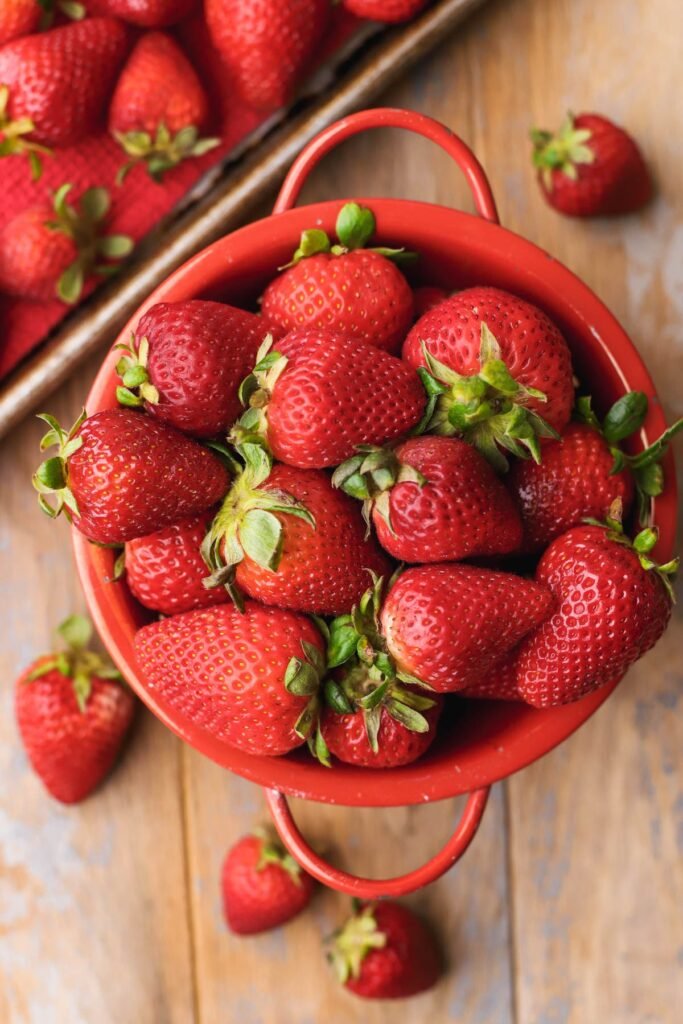
Learning how to keep strawberries fresh longer without washing them first is the single easiest way to stop throwing away moldy berries. Strawberries look sturdy, but they are delicate: their soft skin bruises easily, and any water left on the surface invites mold to spread from one berry to the whole box in a matter of hours. The golden rule is simple: keep them dry, keep them whole, and wash only the berries you are about to eat. This guide shows you exactly how to store them so a box lasts days longer, plus what to do when you have more berries than you can eat fresh.
Why Washing Strawberries Early Ruins Them
Water is the enemy of stored strawberries. Their skin is covered in tiny seeds and fine hairs that trap droplets, and those damp spots are exactly where mold starts. Once a single berry grows mold, its spores spread to every berry touching it, which is why an entire box can look fine one evening and fuzzy the next morning. Washing also removes the berry’s natural protective layer and pushes moisture into the tiny crevices around the stem, speeding up softening.
Leaving the green caps on matters for the same reason. The cap seals the top of the berry, and removing it opens a wound that lets moisture and microbes in. So the two habits that feel tidy, washing the whole box and hulling berries in advance, are actually the two fastest ways to shorten their life. Store berries whole, dry, and capped, and only rinse and hull them right before eating or cooking.
Step 1: Sort the Box the Moment You Get Home
Sorting takes two minutes and can double the life of the box. Tip the berries gently onto a clean plate or tray and look at each one. Set aside any berry that is moldy, leaking juice, badly bruised, or very soft, and eat those first or use them in cooking the same day. A single moldy berry left in the box will infect its neighbors, so removing it early protects the rest.
Handle berries as little as possible and never stack them roughly. Bruised spots soften first and become mold’s entry point, so treat the box like eggs rather than potatoes. If you bought berries in a sealed plastic bag, move them out of it: trapped condensation inside a sealed bag is one of the fastest routes to mold.
Step 2: Build the Right Storage Container
The ideal strawberry container is shallow, ventilated, and lined with something absorbent. A shallow dish or the original vented clamshell works well. Line the bottom with a folded paper towel, place the berries in a single layer if you can, and lay another paper towel loosely on top. The towels absorb surface moisture, and the single layer prevents berries from crushing each other and stops mold from hopping from berry to berry.
If you must stack berries, put a paper towel between layers and keep the layers loose. Leave the container uncovered or cover it very loosely with a lid that is not sealed tight: airflow matters more than a perfect seal. Sealed, airtight containers trap humidity and condensation, which is exactly what mold wants. The crisper drawer of the fridge is a good spot because it holds steady, cool temperature and moderate humidity, but the container itself should still breathe.
Step 3: Keep Them Cold, Dry, and Undisturbed
Strawberries keep best just above freezing, in the coldest part of the fridge that is not actually freezing them. Check the box once a day: lift out any berry that has gone soft or spotted, and replace a damp paper towel with a dry one. This daily two-minute check is the habit that separates boxes that last a week from boxes that collapse in three days. Resist the urge to rinse the whole box “just to freshen it up”: every wash restarts the mold clock.
When you are ready to eat, rinse only what you need under cool running water, pat dry gently with a paper towel, and then remove the caps. Berries taste best when they are not ice cold, so take them out of the fridge about half an hour before serving. That short warm-up brings back aroma and sweetness that cold storage mutes.
The Optional Vinegar Rinse, Done Properly
You may have heard of the vinegar bath method, and it can extend life further, but only if you do it correctly. The point of the rinse is to kill mold spores on the surface, not to wash the berries for storage. Mix one part white vinegar with three parts cool water, dip the berries briefly, and rinse them in clean water. Then comes the step most people skip: dry them completely. Spread the berries in a single layer on clean towels and let them air-dry fully, checking around the leafy caps where water hides, before they go into the lined container.
If you are not willing to dry them thoroughly, skip the vinegar bath entirely. Damp berries stored after a half-hearted drying session spoil faster than berries that were never washed at all. For most households, the simple dry-storage method is enough, and it is far more forgiving than the vinegar method.
Freezing Extra Strawberries Before They Go Soft
When you have more berries than you can eat within a few days, freezing beats watching them spoil. Wash the firm berries, pat them dry, and hull them. Spread them in a single layer on a baking sheet lined with parchment and freeze until solid, then transfer to a freezer bag, squeezing out excess air. Berries frozen this way stay separate instead of clumping into a brick, so you can pour out exactly what you need for smoothies, baking, or sauces.
Frozen strawberries keep their flavor for months, although their texture softens when thawed, so they are best for cooked or blended uses rather than eating fresh. This is the same rescue logic that works for other delicate foods: catching produce at its peak and storing it properly saves money and waste, much like the approach in guides such as how to keep basil fresh longer without refrigeration, where the goal is also to slow decay by controlling moisture and handling.
Mistakes That Make Strawberries Spoil Faster
The biggest mistake is washing the whole box on arrival. Close behind it is storing berries in a sealed bag or airtight container, which traps condensation. Leaving berries on the counter is another: at room temperature they last a day or two at most, and the clock runs even faster in a warm kitchen. Hulling before storage, stacking berries in deep piles, and ignoring one moldy berry until it infects the box round out the list.
Buying technique matters too. Choose boxes where the berries look dry, firm, and evenly red, with fresh green caps and no juice staining the bottom of the container. A box with visible mold or crushed berries at the bottom is already on its way out, no matter how you store it. When berries are on sale in bulk, buy with a freezing plan in mind rather than hoping the fridge will hold them all week.
How to Tell When Strawberries Have Gone Bad
Trust your senses. White, grey, or green fuzz means mold: discard that berry and check its neighbors closely, since spores spread on contact. A mushy, slimy texture or a sour, fermented smell means the berry is past saving. Berries that are slightly dull but still firm and sweet-smelling are fine to eat, especially after a rinse. Berries with a single soft spot can be trimmed and used in cooking, but do not store them alongside good berries.
When in doubt, the rule is simple: if it smells off or feels slimy, throw it out. A small amount of waste now prevents a whole box of waste later. And remember that food-storage habits compound: a clean, dry fridge and a habit of sorting produce on arrival protect everything else in the crisper too, as shown in guides like how to keep ice cream from freezer burn without fancy gear, where moisture control is again the deciding factor.
A Simple Strawberry Routine That Works
Here is the routine in short. Bring berries home, sort them immediately, and discard or eat the damaged ones. Line a shallow ventilated container with paper towels, layer the berries loosely, and refrigerate. Check daily, swap damp towels, and remove any berry that turns. Wash only the portion you are about to eat, pat dry, hull, and enjoy. Freeze any surplus while it is still firm. Follow those steps and a box that used to last three days will often last a full week, with less waste and better-tasting berries throughout.
Frequently Asked Questions
Should I ever wash strawberries before storing them?
No, not for regular fridge storage. Wash only the berries you are about to eat. The one exception is the optional vinegar rinse, and only if you dry the berries completely afterward.
How long do unwashed strawberries last in the fridge?
Properly stored, unwashed strawberries typically last five to seven days, and sometimes up to ten if they were very fresh when bought. Daily checks and dry towels make the biggest difference.
Is the original plastic clamshell a good container?
Yes, as long as it has ventilation holes and you line it with a paper towel. The clamshell is designed to protect berries, but it works best once you add the towel layer and remove any damaged berries first.
Can I store strawberries at room temperature?
Only for a day or two, and only if you plan to eat them soon. Room temperature speeds up ripening and mold growth, so the fridge is always the better choice for storage beyond a single day.
What should I do with berries that are soft but not moldy?
Use them the same day in smoothies, sauces, baking, or jam. Soft berries are still perfectly good for cooking, and using them promptly avoids waste.
Does removing the caps before storage help?
No, it hurts. The cap seals the berry and keeps moisture and microbes out. Keep caps on until you wash and eat the berry.












1 thought on “Keep Strawberries Fresh Longer Without Washing First”
Comments are closed.