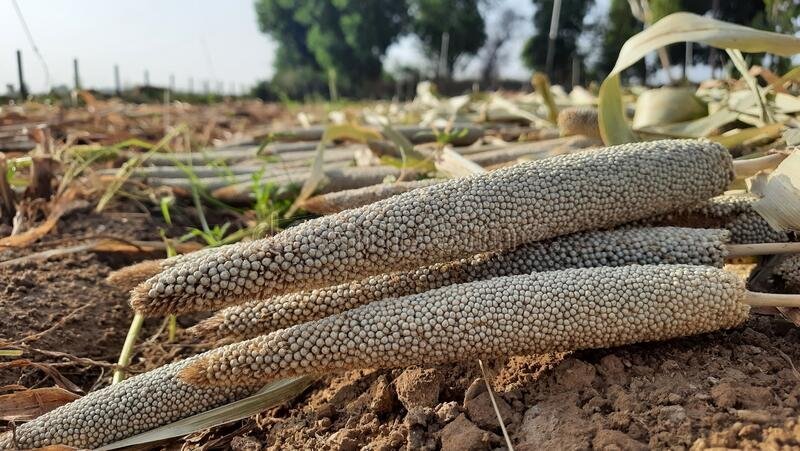
A village in Nagaland has brought back a crop that had disappeared from its fields for more than a decade, turning millet from a forgotten grain into a source of income. Kezoma village, in Kohima district, now produces an estimated 12,000 to 13,000 kilograms of millet a year, a revival built on seed distribution, mechanisation and a village festival that put the grain back in front of buyers.
The revival began through a joint initiative of the District Agriculture Office, Kohima, and the Kezoma Village Council, which sourced and distributed millet seeds from across Nagaland. With cultivation having ceased for over a decade, the first task was mobilisation: convincing farmers that a traditional crop could still pay, and showing them its nutritional and economic value. Cultivation expanded from zero hectares to one hectare in the first year.
A mill that changed the economics
The turning point, according to agriculture officials, was mechanisation. The District Agriculture Office provided a millet mill that reduced post-harvest labour drudgery by about 80 per cent. Hand-processing millet is slow and tiring work, and the mill removed a major reason farmers had given up on the crop. Encouraged by easier processing, more farmers took up cultivation.
Kezoma then organised its first Millet Festival, showcasing and marketing approximately 4,000 kilograms of millet grain grown across two hectares, with productivity of 20 to 25 quintals per hectare. Sales of grain and value-added millet products generated an estimated Rs 13 to 14 lakh in a single day, according to reports of the festival.
Doubling down on a second crop
Building on that success, the area under cultivation doubled, while the Agriculture Department further supported the village with an additional millet mill and a millet thresher. Production reached an estimated 12,000 to 13,000 kilograms, with average yields of 2,000 to 2,500 kilograms per hectare.
The department also introduced second-cropping of millet on an experimental basis. Following a successful harvest, farmers expanded the practice, bringing around two hectares under a second millet crop, with harvesting expected later in the season.
A lesson for hill farming
Kezoma’s story is relevant well beyond one village. Millets are hardy, suited to hilly terrain and variable rainfall, and rich in nutrition, which makes them a natural fit for many parts of the Northeast. Revival needs more than seed: processing equipment, a market platform and buyers.
The dairy deal that gives Arunachal farmers an institutional buyer and the wider push to turn rural skills into jobs reflect the same lesson from neighbouring states: produce alone is not enough; the market link completes the livelihood.
#Nagaland #Kezoma #Millet #Kohima #Agriculture #Farmers #Northeast