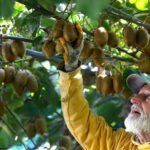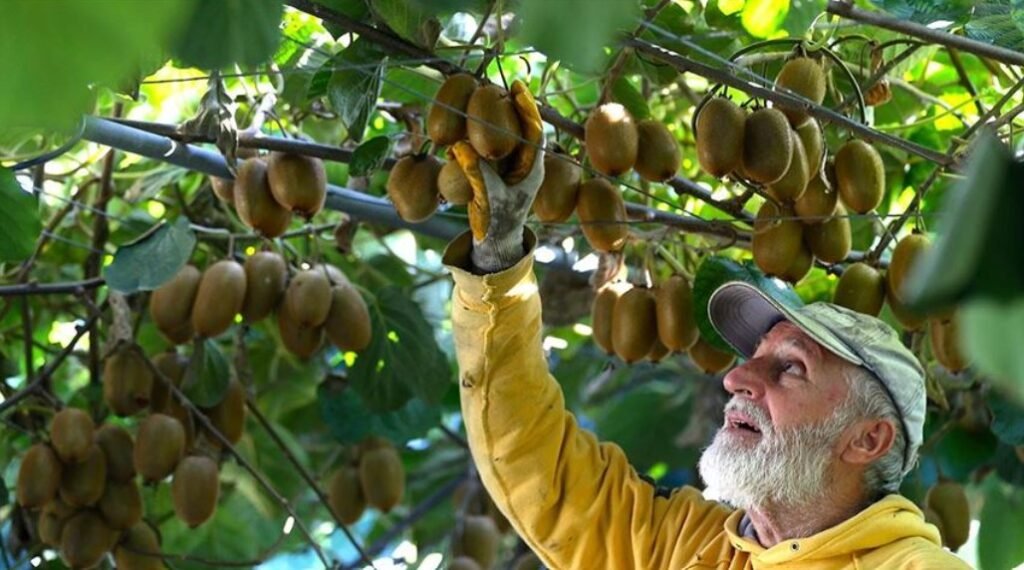
Arunachal Pradesh has taken its kiwi fruit to an international shop shelf for the first time, flagging off a 1.5-tonne trial shipment to Dubai for display at outlets of LuLu Hypermarket LLC. The consignment is a test run: it will show whether the state’s fruit can travel, keep its quality and win buyers in the Gulf market.
The initiative has been undertaken by the state’s Department of Trade and Commerce and Department of Horticulture, in collaboration with the Agricultural and Processed Food Products Export Development Authority, under the Unique Selling Proposition of the Arunachal Kiwi Project. Officials say the aim is to expand international market access for the state’s horticultural produce and to give growers a better price than domestic middlemen alone can offer.
Why Ziro leads the kiwi story
Kiwi cultivation began in Dirang in West Kameng district and picked up fast in the Ziro Valley, which now records the highest production in the state. Ziro grows four varieties of green kiwi: bruno, hayward, monty and alison. Kiwi is now grown across nearly 650 hectares in Arunachal Pradesh.
State horticulture officials have described Arunachal Pradesh as the country’s largest kiwi-producing state, with production of 852 metric tonnes in the most recent production year cited in reports, amounting to about half of national production. Himachal Pradesh, Sikkim and Nagaland are the other major kiwi-growing states. Officials have also said Arunachal kiwi is sweeter than many competing varieties, a claim the Dubai trial will test in practice.
What a trial shipment has to prove
A trial consignment is about more than fruit in a box. It tests cold-chain handling, customs processes, grading, packaging and shelf life, and it gives the retailer feedback on taste, appearance and price. If LuLu responds well, regular volumes and other Gulf markets could follow.
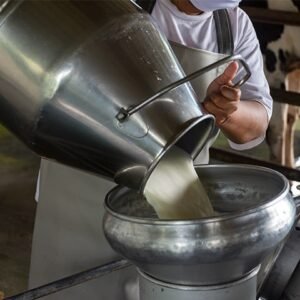
For growers, the stakes are direct. A dependable export channel can raise farm incomes, encourage better grading and packaging, and reduce dependence on distant domestic markets where transport costs eat into returns. The recent dairy supply deal with the ITBP’s 31st Battalion shows a similar logic at work: find a steady institutional buyer, and small producers gain a more secure livelihood. The state’s wider push to turn rural skills into real jobs through new partnerships points in the same direction.
What comes next
Scale-up will depend on the feedback from Dubai, on whether growers can maintain consistent quality at larger volumes, and on how quickly post-harvest infrastructure keeps pace. For now, a single small consignment carries a large question: can a hill fruit from Arunachal find a lasting place on a Gulf supermarket shelf?
#ArunachalPradesh #Kiwi #Dubai #LuLuHypermarket #APEDA #Farmers #ZiroValley