

You open the closet, pull out a favorite sweater, and instead of that clean-laundry scent you get a damp, stale whiff. Knowing how to get rid of musty smell in clothes without washing them can save your outfit, your water bill, and a whole laundry cycle. Whether the garment is dry-clean-only, too delicate for the machine, or you simply do not have time for laundry day, the methods below freshen fabric fast using things you probably already own.
Why Clothes Smell Musty in the First Place
That musty smell is not just “old air.” It comes from mildew, mold spores, and odor-causing bacteria that thrive wherever there is trapped moisture. The most common causes include:
- Putting clothes away while they are still slightly damp
- Closets with poor airflow or high humidity
- Body oils and sweat trapped deep in fibers
- Detergent or fabric-softener buildup that holds onto moisture
- Storing clothes in sealed plastic bins or bags without ventilation
Unlike body odor, which sits mostly on the surface, mustiness works its way into the fibers themselves. That is why a quick spritz of perfume never truly fixes it — you need methods that neutralize or absorb the odor at its source.
12 No-Wash Methods That Actually Work
Start with the simplest method that fits your fabric, and work your way down the list for stubborn odors. Most of these take little effort and cost almost nothing.
1. Hang Them in Fresh Air and Sunlight
Sunlight and moving air are nature’s deodorizers. UV rays help break down odor-causing compounds, while a breeze carries trapped moisture out of the fibers.
- Turn the garment inside out and hang it on a line, hanger, or drying rack near an open window or outside.
- Leave it for four to six hours, turning it once halfway through.
- Limit direct sun to a few hours for dark colors, silks, and delicates to avoid fading.
Best for: everyday cottons, jeans, jackets, and anything that just smells a little stale.
2. The Baking Soda Treatment
Baking soda is one of the most reliable odor absorbers in the home. It does not cover smells up — it neutralizes them.
- Take the garment outside and give it a good shake to loosen dust and surface odor.
- Sprinkle baking soda generously over both sides of the fabric. For heavy items like coats, be generous along the underarms and collar.
- Place the garment in a pillowcase, paper bag, or a clean bathtub and let it sit for several hours or overnight.
- Shake the baking soda off outdoors, then brush the fabric with a lint roller, a soft dry brush, or the upholstery attachment of a vacuum for heavy fabrics.
Best for: sweaters, coats, suits, and upholstery-like fabrics. Watch out: brush dark fabrics thoroughly so no white residue remains.
3. Mist With Diluted White Vinegar
White distilled vinegar kills many odor-causing bacteria, and its own sharp smell disappears completely as it dries.
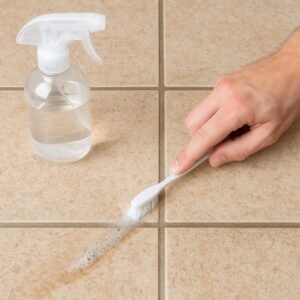
- Mix equal parts white distilled vinegar and water in a clean spray bottle.
- Turn the garment inside out and mist it lightly from about eight to ten inches away — the fabric should feel slightly damp, not soaked.
- Hang the garment to air-dry fully. As the vinegar evaporates, it takes the musty smell with it.
Tip: test the spray on a hidden spot first if you are working with silk, rayon, or brightly colored fabrics.
4. Spray With Plain Vodka
Cheap, unflavored vodka is a classic costume-department trick. The alcohol kills odor-causing bacteria and then evaporates completely, leaving no scent behind.
- Pour plain vodka into a spray bottle — no need for anything fancy.
- Mist the smelly areas lightly, then hang the garment to dry.
- Do not use flavored vodka, which can leave a sticky or sweet residue.
Best for: blazers, suits, dresses, and anything you cannot easily throw in the wash.
5. Run Them in the Dryer on No Heat
Ten to fifteen minutes on the no-heat or air-fluff setting circulates fresh air through the fibers and knocks out stale, closet-trapped air.
- Toss the garment in with a clean dryer sheet or a damp washcloth with a few drops of essential oil for a light scent.
- Always use no heat — heat can set odors permanently into fabric.
- Skip this for leather, sequins, or anything labeled heat-sensitive.
Best for: a quick refresh right before you head out the door.
6. Steam Them
Steam penetrates fibers, kills bacteria, and relaxes wrinkles at the same time. Use a handheld garment steamer, or hang the clothes in the bathroom while you run a hot shower with the door closed.
- Keep the steamer nozzle a few inches from the fabric and move slowly.
- For the shower method, leave the garment in the steamy bathroom for 15 to 20 minutes, then let it air-dry completely.
- Use a pressing cloth between the steamer and delicate fabrics.
Best for: dress shirts, blouses, suits, and wrinkle-prone fabrics.
7. The Freezer Trick
Cold temperatures slow down the bacteria responsible for odors. It will not deep-clean the fabric, but it can take the edge off a mildly musty garment.
- Fold the garment and seal it in a zip-top bag, pressing out as much air as possible.
- Leave it in the freezer overnight.
- Remove it, let it come to room temperature, and hang it in fresh air for an hour or two.
Honest note: this is better for mild odors than heavy mildew. Combine it with airing out for the best result.
8. Seal Them With Activated Charcoal
Activated charcoal is an odor magnet. It absorbs smells from the air around it without ever touching your clothes.
- Place two or three charcoal sachets or pouches in a garment bag or large zip-top bag with the clothing.
- Seal the bag and leave it overnight.
- Reuse the sachets for months — set them in sunlight every few weeks to recharge them.
Best for: delicate, dry-clean-only, and vintage pieces you do not want to spray with anything.
9. Use Dry Coffee Grounds in a Sealed Container
Like charcoal, dry coffee grounds absorb surrounding odors remarkably well.
- Place a bowl of dry, unused coffee grounds inside a lidded bin or large bag.
- Hang or lay the garment inside without letting the grounds touch the fabric.
- Seal it overnight, then air the garment out briefly before wearing.
Watch out: keep the grounds away from light-colored fabrics to avoid any chance of staining.
10. Spritz With a Fabric Refresher Spray
Store-bought fabric refresher sprays are designed to trap and neutralize odor molecules. They are the fastest option when you need to wear something in an hour.
- Mist lightly and evenly — do not soak the fabric.
- Let the garment dry completely before wearing.
- Think of this as a bridge solution; for deep mustiness, pair it with baking soda or vinegar first.
11. Brush and Hang Overnight Near an Open Window
Sometimes the simplest combination does the job. Brush the garment with a lint roller or soft clothes brush to remove dust and surface particles that hold odor, turn it inside out, and hang it near an open window overnight. Moving night air does more work than you would expect.
12. Press With a Steam Iron
For crisp fabrics like cotton shirts and trousers, a steam iron combines heat and moisture to kill bacteria and refresh fibers in one pass.
- Use the steam setting and glide the iron over the fabric without pressing hard.
- Use a pressing cloth for dark or delicate fabrics.
- Hang the garment immediately after so it cools in fresh air.
Deodorizing Delicate and Dry-Clean-Only Garments
Delicate fabrics need a gentler hand. Stick to airing out, the vodka spray, activated charcoal, and steaming from a distance. Never soak silk, wool, or leather, and always test any spray on a hidden area first.
- Wool: fresh air is your best friend — avoid heat, which can shrink it.
- Silk and rayon: skip vinegar unless a spot test passes; prefer charcoal or a light vodka mist.
- Leather and suede: wipe with a dry cloth, air out thoroughly, and follow up with a leather conditioner.
- Embellished pieces: avoid the dryer entirely; steam from a distance instead.
Do not forget your footwear. Shoes stored in the same closet can spread mustiness to everything around them, so air them out separately. For canvas and white sneakers, a gentle routine like the one in this guide to cleaning white sneakers without bleach keeps them fresh without harsh chemicals.
7 Mistakes That Make Musty Smells Worse
- Spraying perfume or body spray: it mixes with the mustiness and creates an even stranger smell.
- Storing clothes while slightly damp: this is the number-one cause of mildew odor — always dry fully first.
- Sealing musty clothes in plastic bins: plastic traps moisture and makes the problem worse. Use breathable storage.
- Using heat before the odor is gone: a hot dryer or iron can bake the smell into fibers permanently.
- Cramming the closet too full: clothes need airflow; packed rods trap humidity.
- Ignoring the source: if your washer or closet itself smells, every garment you put in it will too.
- Relying on scented dryer sheets alone: they add fragrance without removing the odor underneath.
How to Stop the Musty Smell From Coming Back
Removing the odor once is only half the battle. A few small habits keep your clothes smelling fresh for good:
- Maintain your washing machine: run an empty hot cycle with a cup of white vinegar every month or two, and leave the door open between loads so it dries out.
- Dry clothes completely before storing them: when in doubt, give them an extra hour of air time.
- Improve closet airflow: leave space between hangers, crack the closet door occasionally, and use silica gel packs or cedar blocks to absorb moisture.
- Store off-season clothes in breathable cotton bags, not sealed plastic.
- Vacuum closet floors and shelves regularly. Dark, damp, undisturbed corners attract more than odors — they can attract insects too. If ants start trailing into nearby rooms, here is how to get rid of ants in the kitchen without harsh chemicals.
- Keep worn clothes out of the kitchen and dining areas. Food smells transfer to fabric and can draw fruit flies into your laundry space — this guide on getting rid of fruit flies without apple cider vinegar covers the simplest fixes.
When You Really Should Just Wash the Clothes
No-wash methods handle mild to moderate mustiness beautifully, but some situations genuinely call for the washing machine:
- You can see mildew spots or discoloration on the fabric
- The smell survives two rounds of the methods above
- The garment has bodily fluids, food stains, or heavy soil on it
- It is baby clothing, bedding, or anything worn against sensitive skin daily
When you do wash, add a cup of white vinegar to the rinse cycle and make sure the load dries completely — line-drying in sunlight is ideal.
Frequently Asked Questions
Can you really get musty smell out of clothes without washing them?
Yes. For mild to moderate mustiness, methods like baking soda, vinegar spray, steaming, and fresh air remove the odor effectively. Deeply set mildew with visible spots usually needs a real wash.
How long does it take to remove musty smell without washing?
Quick fixes like a dryer air-fluff cycle or fabric refresher spray take 15 to 30 minutes. Overnight treatments with baking soda, charcoal, or coffee grounds work better for stubborn odors.
Does baking soda damage clothes?
No. Baking soda is gentle on virtually all fabrics. Just brush or shake it off thoroughly afterward, and give dark garments an extra once-over so no white residue remains.
Will vinegar leave its own smell on my clothes?
No. The vinegar smell evaporates completely as the fabric dries, taking the musty odor with it. If any faint scent lingers, a few more minutes in fresh air clears it.
Why do my clean clothes smell musty?
The usual culprits are a mildewy washing machine, clothes stored before they were fully dry, or a humid closet with poor airflow. Fix the source — clean the washer, dry clothes completely, and ventilate the closet — and the problem stops repeating.











1 thought on “How to Get Rid of Musty Smell in Clothes Without Washing Them”
Comments are closed.