
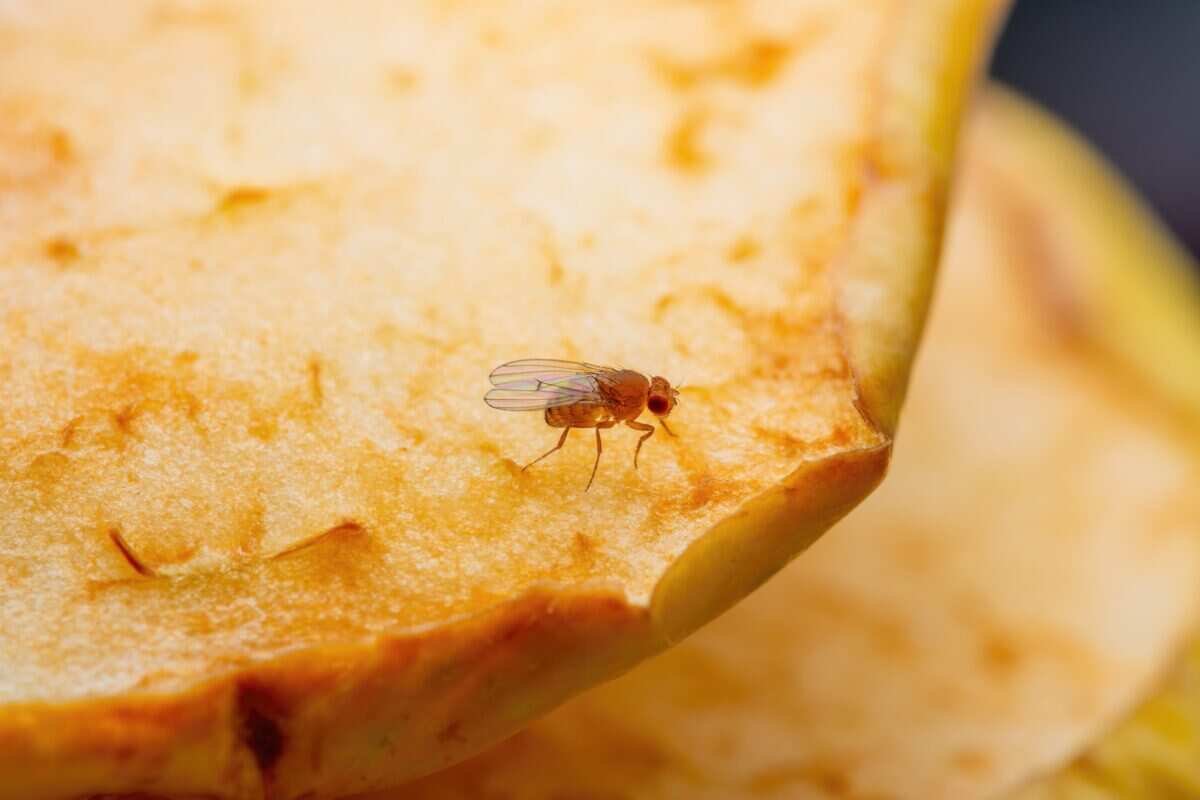
If you need to learn how to get rid of fruit flies without apple cider vinegar, you are not alone. The classic vinegar trap gets most of the attention, but many people cannot use it: the smell is overpowering, they do not keep it in the house, or they simply want something that does not leave the kitchen smelling like a salad dressing factory. The good news is that apple cider vinegar is not the only thing that attracts fruit flies. These tiny pests are drawn to anything fermenting — wine, juice, beer, ripe fruit, even a damp drain — so you can build traps that work just as well with ingredients you probably already have.
Why Skip the Apple Cider Vinegar?
There are plenty of sensible reasons to look for an alternative:
- The smell. A cup of warm vinegar sitting on the counter stinks up the whole kitchen.
- Stains. Spilled vinegar can discolor light-colored countertops and leave marks on wood.
- You do not have any. Not every household keeps apple cider vinegar stocked, and you should not have to make a store run to fight fruit flies.
- Pets and curiosity. A shallow bowl of vinegar is easy for a curious cat or dog to knock over.
- Effectiveness is not unique. Vinegar works because it ferments, not because it is vinegar specifically. Plenty of fermenting liquids attract fruit flies the same way.
Understand What You Are Fighting
Fruit flies live up to their name: they breed in fermenting fruit, spilled juice, garbage, compost, and the slimy film inside drains. A single female can lay several hundred eggs in her short life, and eggs hatch in roughly a day. That means a handful of flies becomes a swarm in under a week. Traps catch the adults, but you will not win the war until you also remove the breeding sites — the food sources and damp spots where the next generation is growing. That two-pronged approach (trap the adults, starve the larvae) is what makes these methods actually work.
7 Vinegar-Free Traps That Actually Work
Every trap below uses the same principle: bait that smells like fermentation, plus a way to keep the flies from leaving. Set traps near the worst hotspots — by the fruit bowl, the trash can, the kitchen sink — and replace the bait every two to three days.
1. The Wine Trap
Leave an inch of red or white wine in a glass or small cup, add one drop of dish soap, and set it out. The fermenting alcohol attracts the flies, and the soap breaks the surface tension so they sink instead of landing safely on top. Old or leftover wine works perfectly — this is a good use for that half-glass nobody finished. Covering the glass loosely with plastic wrap poked with a few small holes makes it even more effective, because flies get in and cannot find their way out.
2. The Milk, Sugar, and Pepper Trap
This old-fashioned recipe still shows up because it works: simmer a pint of milk with a quarter cup of raw sugar and two tablespoons of ground black pepper, then pour it into a shallow dish or saucer. As the mixture cools it becomes sticky and attractive to fruit flies, which land and get stuck. Place the dish near the infestation and discard it after a couple of days. It sounds odd, but the sweet fermented scent pulls them in reliably.
3. The Yeast Trap
Stir one teaspoon of active dry yeast and two teaspoons of sugar into a cup of warm water, and pour the mixture into a bowl. Yeast begins fermenting the sugar almost immediately, producing the carbon dioxide and alcohol smell that fruit flies home in on. Add a drop of dish soap to break the surface tension. This trap is powerful — many people find it outperforms vinegar traps — and it costs almost nothing.
4. The Funnel Trap
If you have an overripe banana or a piece of bruised fruit, put it in a jar, then roll a sheet of paper into a cone with a tiny opening at the bottom and place it narrow-end-down in the jar mouth, sealing the edges with tape. Flies follow the fruit smell down the funnel but cannot navigate back up through the small hole. This is one of the best traps for large swarms because it holds hundreds of flies. When the jar is full, take it outside, release or dispose of the flies, and reset with fresh fruit.
5. The Fruit Juice or Soda Trap
Pour a few inches of fruit juice, lemonade, or sugary soda into a cup, add a drop of dish soap, and leave it out. Juice and soda ferment quickly at room temperature and smell irresistible to fruit flies. The soap does the same job here as in the wine trap: it eliminates the surface tension so the flies drown. This is probably the simplest trap on the list, and most kitchens can assemble it in under a minute.
6. The Beer Trap
An unfinished beer — even flat beer — makes an excellent trap. Pour a few inches into a bottle or cup, add a drop of dish soap, and optionally cover with plastic wrap and poke holes. The yeasty, fermented smell mimics rotting fruit. Darker, maltier beers seem to work best, but any beer will attract flies.
7. Essential Oil Repellent Sprays
Traps kill; repellents drive flies away from areas you want to protect. Peppermint, lemongrass, eucalyptus, and lavender oils all repel fruit flies. Mix about 20 drops of oil into a spray bottle of water with a splash of witch hazel or rubbing alcohol to help it blend, then mist around windows, doorways, and the fruit bowl. It will not eliminate an existing infestation on its own, but it keeps flies away from food while your traps do the dirty work. Never spray essential oils directly on food.
Do Not Forget the Drains
Here is the step most people miss: fruit flies breed in the slimy buildup inside kitchen and bathroom drains. You can trap adults for weeks and still see new flies every morning if the drain is the nursery. Once a day during your battle, pour a full kettle of boiling water down the kitchen sink drain, then follow with a cup of baking soda and a cup of hot water, scrubbing around the drain opening with an old toothbrush. For extra stubborn buildup, use a drain brush or pipe cleaner to physically remove the gunk. Keeping the drain itself clean is one of the highest-impact things you can do — it is also part of a broader bathroom and kitchen cleaning routine that keeps moisture-loving pests away from fixtures and plumbing.
The 48-Hour Fruit Fly Battle Plan
If you are dealing with a full-blown swarm, follow this sequence:
- Day one, morning: Set out two or three traps using different baits (for example, a wine trap by the trash and a yeast trap by the sink).
- Day one, afternoon: Remove all attractants. Take out the trash, empty the recycling, run the garbage disposal, wipe down counters and the stove, and refrigerate all ripe fruit.
- Day one, evening: Clean every drain in the kitchen and nearby bathroom with boiling water and baking soda.
- Day two: Check traps, replace bait, and do a second deep wipe of counters, trash can rims, and under appliances where juice may have spilled.
- Days three to five: Keep one trap running and continue the prevention habits below. Adult flies live only about a week, so once breeding sites are gone and adults are trapped, the population collapses fast.
Stop Them From Coming Back
- Refrigerate produce. Countertop fruit bowls are fruit fly headquarters. Move ripe fruit into the fridge.
- Take out trash and recycling daily. Rinse bottles and cans before recycling them, and keep a lid on the kitchen trash.
- Wipe spills immediately. Juice, wine, and sugary drips under the toaster or coffee maker feed flies.
- Wash produce when you bring it home. Fruit fly eggs can hitchhike on bananas and other fruit from the store.
- Manage compost carefully. Keep compost bins sealed and away from the kitchen if possible.
- Declutter food storage areas. Old pantry items and forgotten produce in dark corners are classic hidden breeding sites — a thorough decluttering of kitchen cabinets and pantries often turns up the source of a stubborn infestation. If spills have soaked into fabrics or bedding nearby, our mattress cleaning guide covers deep-cleaning absorbent materials without special equipment.
Common Mistakes to Avoid
- Setting traps but skipping the cleaning. Traps alone are a treadmill — new flies keep hatching.
- Forgetting the bait. Fermenting bait goes stale. Replace it every two to three days or it stops working.
- Mistaking drain flies for fruit flies. Drain flies are fuzzy, moth-like, and live in drains; fruit flies are smaller and shinier, hovering around food. The drain-cleaning step helps with both, but persistent fuzzy flies in a bathroom may need deeper pipe cleaning.
- Using bait without soap. Without dish soap, many flies simply land on the liquid, drink, and fly away.
- One trap for a big infestation. A serious swarm needs multiple traps in multiple locations.
Frequently Asked Questions
How long does it take to get rid of fruit flies?
With traps plus breeding-site removal, most infestations collapse within five to seven days. Adult fruit flies live roughly a week, so once you stop new ones from hatching, the countdown begins.
What attracts fruit flies if there is no fruit out?
Anything fermenting: garbage, recycling, compost, spills under appliances, mops, damp drains, and even a forgotten potato in the pantry. Check every food and moisture source, not just the fruit bowl.
Can fruit flies make you sick?
They are mostly a nuisance, but they can carry bacteria from garbage and drains onto food surfaces. Keeping food covered and counters clean protects you while you deal with them.
Does dish soap really matter in the trap?
Yes. Fruit flies are light enough to stand on liquid surfaces. Soap breaks the surface tension so they sink and drown instead of landing safely.
Why do I still see flies after cleaning everything?
Eggs may still be hatching in a spot you missed — check the garbage disposal rubber flap, the drip tray under the fridge, and any drain you skipped. Keep traps running for a full week after the last sighting.
Are homemade traps safe around pets?
Most are, but place traps where pets cannot drink from them (wine, beer, and essential oils can be harmful to cats and dogs). Covered jar or funnel traps are the safest option in pet households.