
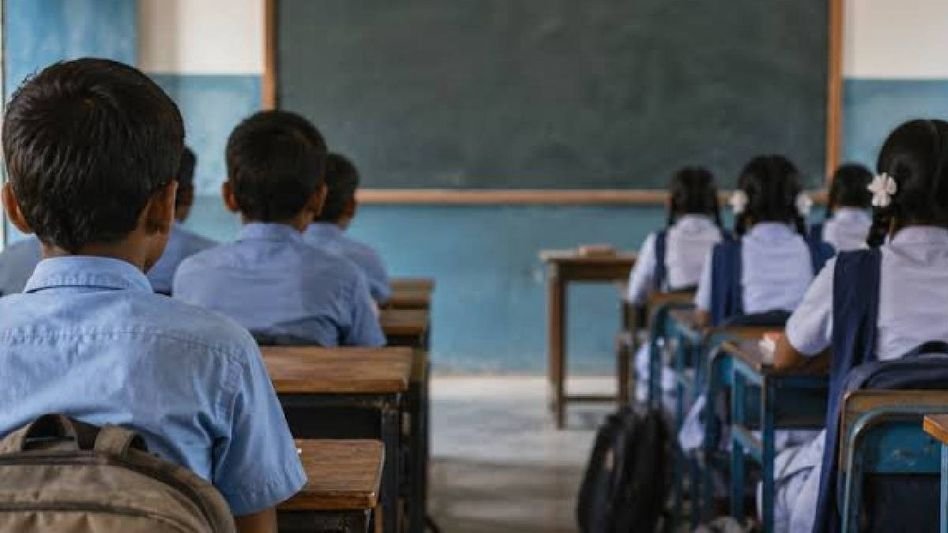
No new private school is getting the government’s nod in Arunachal Pradesh. Not now. Not until the rules catch up with reality.
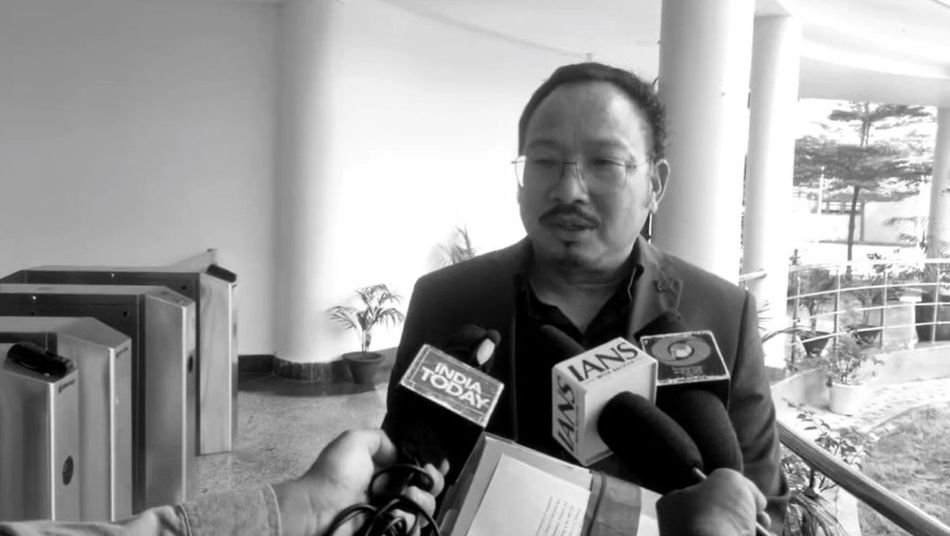
That was the clear message from Education Minister Passang Dorjee Sona on Monday when he addressed the first foundation day-cum-scholars’ meet of the Rajiv Gandhi University Research Scholars’ Forum near Itanagar. In what felt like a moment of rare candour from a government official, Sona didn’t just announce a policy — he admitted there’s a problem, and that the state’s education system has been running on a framework riddled with gaps for far too long.
Since taking charge, the minister said multiple applications for new private school registrations had landed on his desk. He cleared none of them. The freeze wasn’t an oversight. It was deliberate.
And honestly, it’s hard to argue with the reasoning.
Sona pointed out that the existing inspection process and the checklists used to evaluate schools have serious shortcomings. Some institutions, he alleged, haven’t even met the requirements that were already in place. So the idea of approving more schools under a broken system would’ve been like building new floors on a cracked foundation. The minister wasn’t willing to do that.
Private schools, he acknowledged, remain a vital part of Arunachal’s education landscape. Nobody is questioning their role. What’s being questioned is the lack of accountability — the missing teeth in a system that’s supposed to ensure every child walking through a school gate gets quality education in a safe environment. Academic standards, student safety, institutional accountability — these aren’t optional extras. They should’ve been non-negotiables from day one.
The state government has now prepared revised guidelines for the registration of new private schools. Applications for renewal of existing institutions will also be reviewed under this new framework once it rolls out. It’s a reset of sorts, and the intent seems genuine.
What’s equally significant is what Sona said about private universities. He confirmed that his office has asked the relevant regulatory commission to carry out a confidential assessment of private universities already operating in the state — checking whether they’re actually functioning in line with the Acts under which they were set up. That alone should raise eyebrows. Because if that question even needs to be asked, it tells you something about how loosely things have been running.
The government is also working on a “mother Act” — a single, common legislation that would bring all private universities in Arunachal under one unified regulatory roof. That’s a significant ambition, and getting it right will take time. But the direction is right.
It’s worth pausing here to consider what this moment really represents. Arunachal Pradesh is a state where access to quality education, especially in remote areas, is still an ongoing struggle. Private schools and universities fill gaps that government institutions sometimes can’t. But filling a gap poorly, without oversight, without standards — that’s not a solution. That’s a different kind of problem wearing the same clothes.
A pause in approvals, backed by a serious push for better regulation, isn’t a setback for private education in Arunachal. It’s actually the precondition for making private education worth something. The children sitting in classrooms across this state deserve institutions that have earned their place — not just paid for it.
The real test, of course, will be whether the new framework is implemented with the same firmness that froze the approvals in the first place.