
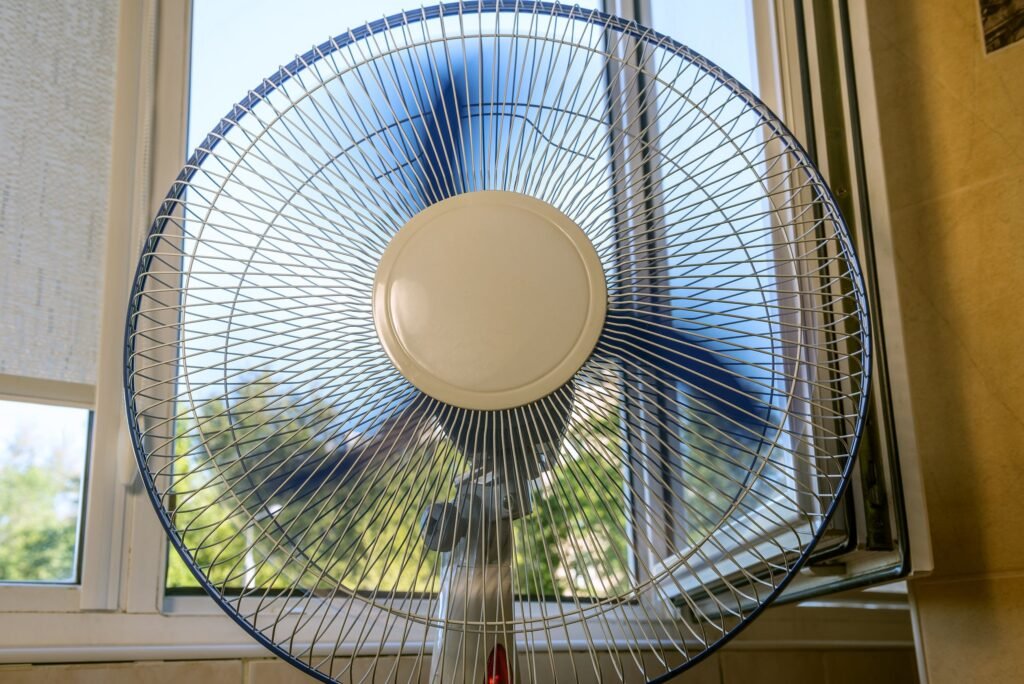
A hot house in the middle of summer can make every room feel uncomfortable, and running the air conditioner all day is not always an option. Whether your unit is broken, you are trying to cut energy bills, or you simply do not have air conditioning at all, there are proven ways to bring the temperature down. Learning how to keep a house cool in summer without air conditioning is mostly about working with physics instead of against it: block heat before it enters, move air through the house, and stop creating extra heat indoors.
The good news is that these methods stack. No single trick will transform a sweltering house into a cool retreat, but five or six of them used together can lower indoor temperatures by several degrees. Many cost nothing at all, and most take only a few minutes to set up. This guide walks through the strategies that actually work, in the order that matters most.
Why Houses Heat Up in Summer
Before fixing the heat, it helps to understand where it comes from. Sunlight streaming through windows is the biggest source of indoor heat in most homes. Glass lets solar energy in and traps it, which is why a sunny room can feel like a greenhouse by mid-afternoon. The roof is the second major source, especially on homes with dark shingles and little attic ventilation. Heat also builds up from everyday activities: cooking, running the dryer, using the oven, and even leaving electronics and lights on.
The other half of the problem is that many homes trap the heat they collect. Insulation that keeps warmth in during cold weather also slows heat from escaping in summer, and closed-up houses with no airflow let hot air pool in upstairs rooms and near ceilings. A cooling strategy that only targets one source of heat will always fall short.
Block the Sun Before It Gets In
Stopping sunlight at the window is the single most effective thing you can do. Once sunlight passes through glass and warms your furniture and floors, that heat stays inside. An outside shade is far more effective than an inside curtain because it blocks the sun before it reaches the glass at all.
Start with the windows that get direct sun, especially south-facing and west-facing ones. Close blinds or curtains on those windows before the sun hits them in the morning, not after the room is already hot. Light-colored curtains reflect more heat than dark ones, and blackout curtains with a light backing work especially well. For a stronger effect, hang a light-colored sheet or reflective window film on the outside of the worst windows. Window film is inexpensive and easy to apply, and it can cut a surprising amount of solar heat.
Outside the house, shade is even better. Awnings over sunny windows and shade sails over patios lower the temperature of the wall and window behind them. Planting deciduous trees on the sunny side is a long-term investment: the leaves block summer sun, then fall away in colder months to let warming light through.
Use Airflow to Your Advantage
Moving air feels cooler on skin, and it also carries hot air out of the house. The trick is to move air in the right direction at the right time of day. During the hottest hours, keep windows on the sunny side closed so hot air stays out. Open windows on the shaded side instead, and use fans to pull that cooler air through the house.
Cross-ventilation is the most powerful natural cooling technique. Open a window low on the shaded side of the house and another window high on the opposite side. Cool air enters low, warm air rises and exits high, and the flow between them carries heat out. If you only have windows on one side, place a box fan in one window facing outward to exhaust hot air, and open a window in another room to let fresh air in. A fan blowing outward is almost always more effective than one blowing inward, because it pulls a whole stream of air through the house instead of just stirring the air in one room.
Ceiling fans help too, but only when they are set correctly. In warm weather, a ceiling fan should spin counterclockwise so it pushes air downward, creating a breeze that makes the room feel several degrees cooler. Remember that fans cool people, not rooms: a fan running in an empty room just uses electricity, so turn it off when nobody is there. If you want to see the savings add up, our guide on how to save on your electricity bill without solar panels pairs well with these cooling habits, since fans use far less power than an air conditioner.
Cool the House at Night
Night air is your best friend. Once the outside temperature drops below the indoor temperature, open windows wide and run fans to flush the day’s heat out of the house. This technique, sometimes called night flushing, works best in dry climates where nights cool off sharply, but it helps almost everywhere. Open windows on opposite sides of the house, place a box fan in one window facing out, and let the cool night air wash through every room.
In the morning, close the windows and blinds before the sun warms things up again. You are essentially trapping the cool night air inside for the day. This daily rhythm, open at night and sealed during the day, is the foundation of cooling a house without air conditioning. It takes a little discipline at first, but it quickly becomes a habit, and the difference in afternoon temperatures is easy to feel.
Use Exhaust Fans Properly
Bathroom and kitchen exhaust fans are small but useful tools. Run the bathroom fan during and after a hot shower to pull steam and warm air outside instead of letting it spread through the house. Use the range hood whenever you cook, even for something small, since it vents hot air and cooking moisture straight outdoors. Just remember to turn these fans off when you are done, since they also pull conditioned air out of the house if left running.
Reduce the Heat You Create Indoors
Every appliance in your home adds heat. The oven is the biggest offender: a single baking session can raise the kitchen temperature noticeably and warm nearby rooms. On very hot days, cook outside on the grill, use a slow cooker, or choose meals that need no cooking at all, such as salads, sandwiches, and chilled soups. A microwave uses far less energy and releases far less heat than an oven, so it is a good substitute for reheating and small cooking jobs.
Other heat sources add up quietly. Incandescent bulbs give off a lot of heat, so switching to LED bulbs cuts both energy use and indoor warmth. Run the dishwasher and clothes dryer in the evening when the house is cooler, and let dishes and laundry air dry when you can. Unplug chargers and electronics you are not using, since many of them generate heat even on standby. The same heat that warms your house can also damage your gadgets, so here is how to keep a phone from overheating in a hot car in summer for the days when the heat follows you outside.
Hot showers are another hidden heat source. A long hot shower fills the bathroom with steam and warm air that spreads through the house. Shorter, cooler showers keep both you and the house cooler, and they feel refreshing on a hot day. If you have a basement, spend time there during the hottest hours, since below-grade rooms stay naturally cooler than upstairs rooms.
Use Water and Evaporation to Cool Down
Evaporation is one of the oldest cooling tricks in the world, and it works surprisingly well in dry heat. When water evaporates from skin or fabric, it carries heat away with it. You can use this principle in several ways around the house.
The simplest method is a damp sheet or towel hung in front of an open window or a fan. Air passing through the wet fabric cools down before it reaches you. Rewet the fabric every hour or so to keep it working. A bowl of ice placed in front of a fan works on the same principle: the fan blows air across the ice, and the cooled air flows into the room. This is a short-term fix, not a whole-house solution, but it can make a single room much more comfortable for an evening.
Your own body benefits from evaporation too. A cool, damp cloth on the back of your neck, your wrists, or the inside of your elbows cools your blood as it flows near the surface, and that cooler blood circulates through your whole body. A fine mist spray bottle is another easy tool: a light mist on your face and arms feels refreshing and cools you quickly as it dries. In dry climates, a portable evaporative cooler can lower the temperature of a room by several degrees using only water and a fan.
Dress Your House for Summer
Small changes to the fabrics and surfaces in your home can make a real difference. Heavy curtains, thick rugs, and dark bedding all hold heat and make rooms feel warmer. Swap them for lighter alternatives during the hot months: cotton or linen sheets, light-colored slipcovers, and thin curtains that let air through. Sleep with a light cotton sheet instead of a heavy comforter, and choose breathable natural fabrics for both bedding and clothing.
Your roof and attic deserve attention too. A dark roof absorbs far more heat than a light one, and an unventilated attic can reach extreme temperatures that radiate down into the rooms below. Attic vents, ridge vents, or a solar-powered attic fan can release that trapped heat and noticeably cool the upstairs. Adding attic insulation helps in both seasons: it keeps heat out in summer just as it keeps warmth in during cold weather.
Even the color of your home’s exterior matters. Light-colored walls and roofs reflect more sunlight than dark ones, which is why homes in the hottest climates are traditionally painted white. If you are already planning exterior work, choosing a light color is a smart move for summer comfort.
Create One Cool Room
If cooling the whole house feels impossible, focus your effort on a single room. Choose the coolest room in the house, usually a north-facing room, a ground-floor room, or a basement room, and make it your refuge during the hottest part of the day. Close it off from the rest of the house, block its windows from the sun, run a fan, and use evaporative tricks inside it. Sleeping in the coolest room on the hottest nights can make a huge difference to your comfort.
Move your evening activities into that room: reading, watching a show, or working on a laptop all feel better in a cool space. Keep a spray bottle, a damp cloth, and a glass of cold water nearby. Children and older adults are more sensitive to heat, so one reliably cool room is also a safety measure during extreme heat, not just a comfort trick.
Common Mistakes to Avoid
The most common mistake is opening all the windows on a hot afternoon. It feels like fresh air should help, but when the outside air is hotter than the indoor air, you are just letting heat in. Keep windows closed during the heat of the day and open them only when the outside air is cooler than the inside air.
Another mistake is relying on a single fan in a closed room. A fan in a sealed, sunny room just circulates hot air. Fans work best when they are part of a system: shaded windows, open windows on the cool side, and a fan pulling air through. People also forget that dark curtains absorb heat and radiate it inward, so light-colored window coverings are always the better choice in summer.
Finally, do not ignore hydration and your own body temperature. Drink water regularly, wear loose light clothing, and take cool showers. If anyone in the house shows signs of heat exhaustion, such as dizziness, nausea, or heavy sweating, move them to the coolest room, offer water, and seek medical attention if symptoms do not improve quickly.
FAQs
How much can you cool a house without air conditioning?
Using shade, airflow, and night flushing together, most homes can stay several degrees cooler than they would otherwise, and often close to the outdoor nighttime low. The exact result depends on your climate, the house design, and how consistently you apply the techniques.
What is the cheapest way to cool a room without AC?
Close the blinds on sunny windows, open windows for cross-ventilation when the outside air is cooler, and run a fan to move air through the room. These three steps cost almost nothing and make the biggest difference. A damp sheet in front of a fan adds extra cooling for free.
Do fans actually cool a room?
Fans do not lower the air temperature in a room, but they make people feel cooler by moving air across the skin, which speeds up evaporation. A fan blowing out of a window can also pull cooler air in from elsewhere in the house, which does lower the temperature of the room over time.
Should windows be open or closed on a hot day?
Closed during the hottest part of the day, when outside air is hotter than indoor air. Open them once the outside temperature drops below the indoor temperature, and close them again in the morning before the sun heats things up.
Does closing blinds really help keep a house cool?
Yes, especially light-colored or reflective blinds closed before the sun hits the window. Blocking sunlight before it enters the room prevents the greenhouse effect that heats up furniture and floors. Outside shades work even better than inside blinds.
What is the best room to sleep in during a heat wave?
The coolest room is usually on the ground floor or in the basement, on the north or shaded side of the house. Choose the room with the least direct sun, block its windows during the day, ventilate it at night, and use light cotton bedding for the most comfortable sleep.













2 thoughts on “How to Keep a House Cool in Summer Without Air Conditioning”
Comments are closed.