Learning how to keep a car windshield from icing overnight without a cover can save you a cold, frustrating scraping session on frosty mornings. A windshield cover works, but it is easy to forget, awkward to store when wet, and useless when you park somewhere unexpected. Fortunately, ice formation depends on a few predictable conditions, and changing those conditions even slightly can mean the difference between a clear windshield and a thick sheet of frost. Smart parking, a clean glass surface, lower moisture inside the car, and a simple preventive spray can combine to keep your windshield mostly or completely clear. This guide explains why windshields ice up, which prevention methods actually work, and how to build a quick evening routine that protects your morning.
Why Windshields Ice Up Overnight
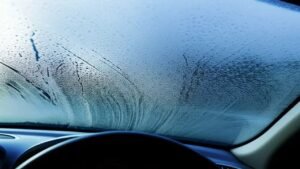
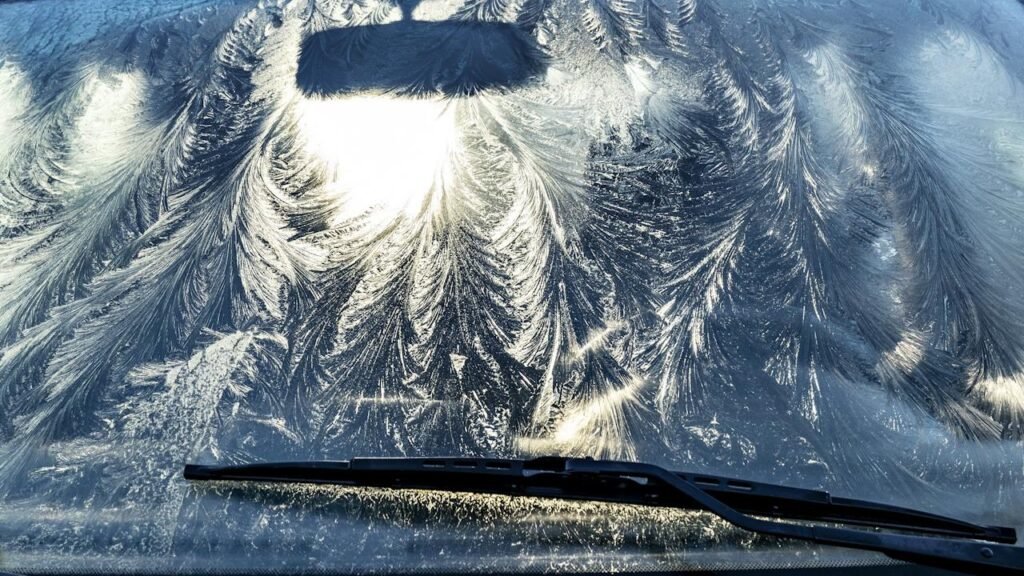
Windshield ice forms when the glass surface cools below freezing and moisture in the air condenses and freezes on it. On clear, calm nights, heat escapes from surfaces into the sky, and a windshield angled toward the open sky cools faster than the surrounding air, a process that chills the glass below the air temperature. Dew, fog, or humidity in the air then settles on the cold glass and freezes into frost or a solid sheet of ice. Wind actually helps, since moving air mixes warmer air down to the surface and slows cooling, which is why the worst frost often appears on still nights. Dirty glass ices more readily because dust, road film, and tiny scratches give moisture more places to grip and freeze. Moisture inside the car matters too: damp floor mats, wet umbrellas, and even the breath of passengers add humidity that can condense on the inside of the glass and freeze there. Understanding these factors points directly to the fixes: keep the glass warmer, cleaner, and drier, and shield it from the open sky where possible.
Park Smart: Location and Direction Matter
Where you park is the easiest prevention method of all, and it costs nothing. A garage or carport is ideal, but when those are not available, park close to a building wall, under a tree canopy, or beside a fence, since overhead shelter and nearby structures reduce the amount of heat the windshield radiates to the open sky. Avoid low-lying spots where cold, damp air pools, and avoid wide-open areas fully exposed to the sky when a more sheltered spot is available. Parking direction helps as well: when possible, face the windshield toward the east so the first morning light warms the glass and softens any thin frost before you leave. Even a small difference in exposure can matter, so choose the most sheltered, sun-facing option your parking area offers. If you park on the street, look for a spot near a building rather than in the middle of an open lot. These choices will not always prevent ice entirely, but they often turn a thick sheet into a thin film that clears in seconds, which is a meaningful improvement on a cold morning.
Keep the Glass Clean Inside and Out
Clean glass ices less stubbornly than dirty glass, and it also clears faster when ice does form. Road film, bug residue, and oily smudges give frost a rough surface to cling to, so wash the outside of the windshield regularly with car wash soap and water, and wipe the inside with a clean microfiber cloth and a glass cleaner made for cars. Pay attention to the inside surface, which many drivers neglect; interior film from dashboard plastics and everyday use traps moisture and encourages interior frost. After cleaning, dry the glass fully with a separate cloth to avoid streaks that hold moisture. A water-repellent treatment made for windshields adds another advantage: the coating makes water bead and roll off, and ice that does form bonds less tightly, so it lifts away more easily. Apply the treatment to a clean, dry windshield following the product directions, and reapply when water stops beading. Clean wiper blades matter too, since worn blades smear film across the glass and leave ridges that catch frost. Replace blades that streak or chatter, and clean them with a damp cloth regularly.
Preventive Sprays You Can Apply in the Evening
A light preventive spray applied in the evening lowers the freezing point of moisture on the glass, so frost struggles to form. One popular homemade option is a mixture of three parts white vinegar to one part water, sprayed lightly over the outside of the windshield and wiped to a thin, even film. The vinegar solution discourages ice bonding, and it is cheap and easy to make, though it should be kept off paintwork where possible and used lightly, since repeated heavy use can dull wiper rubber over time. Another option is a mixture of rubbing alcohol and water in roughly a two-to-one ratio, sprayed the same way; alcohol evaporates quickly and lowers the freezing point effectively. Commercial windshield de-icer sprays work on the same principle and are convenient to keep in the car, though they cost more per use. Whichever spray you choose, apply it to a clean, dry windshield in the evening, not on top of existing ice, and wipe it evenly so it does not pool. Test any homemade mixture on a small area first, and avoid spraying near the edges where liquid can run onto paint or trim.
Reduce Moisture Inside the Car
Interior frost is often overlooked, yet it can be just as troublesome as ice outside, and it comes from moisture trapped in the cabin. Wet floor mats are a major source, so shake them out and dry them whenever they get soaked, and remove wet umbrellas, towels, and gym bags instead of leaving them in the car. Before parking for the night, run the heater with the air conditioning on for the last few minutes of your drive, since air conditioning dries the air inside the car and reduces the humidity that later condenses on cold glass. Leave the vents set to fresh air rather than recirculation when you park, so damp cabin air can equalize with outside air instead of staying trapped. A small reusable moisture absorber placed on the dashboard or under a seat helps in damp climates, and it needs only occasional recharging or replacement. Check for leaks around door seals and the trunk, since a slow leak keeps carpets damp and guarantees interior frost. A dry cabin means clearer glass inside, and it also keeps the car smelling fresher.
Use Your Wipers and Washer Fluid Wisely
Wipers and washer fluid play a supporting role in ice prevention. Lift the wiper arms away from the windshield on nights when ice is expected, so the rubber blades do not freeze to the glass and tear when you switch the wipers on. This only takes a few seconds, but do it gently, since letting a wiper arm snap back onto the glass can crack it. Make sure your washer fluid is rated for freezing temperatures, and never top it up with plain water in cold weather, since water in the reservoir and lines can freeze, expand, and damage the system. Cold-rated washer fluid also helps clear the thin frost film that sometimes forms despite prevention, since spraying it onto the glass lowers the freezing point of the surface moisture. Check the fluid level regularly during cold spells, and carry a spare bottle in the trunk. If your car has heated wiper zones or a heated windshield feature, use it on frosty mornings, since it clears the wiper area first and protects the blades. Small habits like these protect both the glass and the wiper system.
A Quick Evening Routine That Prevents Morning Ice
Prevention works best as a short routine you can repeat without thinking. When you arrive home on a cold night, park in the most sheltered, east-facing spot available. Shake out wet floor mats and remove wet items from the cabin. Run the heater with air conditioning for the last few minutes of the drive, or, if you have already parked, run the car briefly with the defroster on before switching off. Lift the wipers if ice is expected, and spray a light coat of your chosen preventive mixture over the outside of the windshield, wiping it evenly. Make sure the washer fluid is cold-rated and topped up. The whole routine takes about two minutes once it becomes habit, and it dramatically improves your odds of a clear windshield. Keep the spray bottle, a scraper, and a pair of gloves together near the door or in the trunk so nothing is missing on a rushed morning. Consistency matters more than any single trick: doing several small things every night beats doing one big thing occasionally.
When Ice Forms Anyway: Clearing It Safely
Even with good prevention, some nights will still ice up, so know how to clear the glass without damage. Start the car and set the defroster to high heat with air conditioning on, since warm, dry air clears glass from the inside while you work outside. Use a proper plastic ice scraper with a flat blade, working in firm, even strokes from the edges inward, and clear the whole windshield, not just a peephole, before driving. Never pour hot or boiling water on a frozen windshield, since the sudden temperature shock can crack the glass, especially if it already has a chip. Lukewarm water is safer for loosening a thin layer, but a scraper and defroster together are usually enough. Never use a metal scraper, a credit card, or a kitchen knife, all of which can scratch the glass or damage the surface. Do not switch the wipers on while ice holds the blades down, since this can tear the rubber or strain the wiper motor. Clear side windows, mirrors, lights, and the roof as well, since ice and snow sliding from the roof onto the windshield is a hazard.
Mistakes That Make Windshield Icing Worse
A few common habits make the problem worse. Leaving wet floor mats and damp items in the car guarantees interior frost, yet it is easy to ignore. Using plain water in the washer reservoir during cold weather leads to frozen lines and a useless washer on the morning you need it most. Pouring hot water on a frozen windshield risks a crack that costs far more than a few minutes of scraping. Scraping with a metal tool scratches the glass, and those scratches then grip frost more tightly in the future, creating a cycle of worse icing. Idling the car unattended for a long time to melt ice wastes fuel and, in some areas, may break local rules, so clear the glass actively instead. Ignoring a chipped windshield is another mistake, since chips concentrate stress and make cracking from temperature changes more likely; have chips repaired promptly. Finally, relying on a single method and skipping the rest rarely works, since ice prevention is about stacking small advantages together.
Do Not Forget Side Windows, Mirrors, and Lights
Drivers often focus entirely on the windshield and forget that side windows, mirrors, and lights ice up too, and all of them matter for safe driving. Apply the same preventive spray to side windows and mirrors in the evening, and wipe mirrors clean so frost has less grime to grip. Fold mirrors inward where your car allows it, since a folded mirror collects less frost and is shielded from the open sky. Clear side windows fully before driving, not just a small gap, because a clear view to the side is essential at junctions and when changing lanes. Wipe headlights and taillights clear as well, since a film of ice dims your lights and makes your car harder for others to see. Brush snow off the roof before driving, since snow left on the roof can slide forward onto the windshield at the first stop and undo all your clearing work. Keep a second small scraper or a microfiber cloth in the car for mirrors and lights, and include these spots in your morning check so nothing is missed in a rush.
Frequently Asked Questions
Does vinegar spray really prevent windshield ice?
A light vinegar and water spray lowers the freezing point of moisture on the glass, so frost bonds less strongly. Apply it thinly and evenly to a clean, dry windshield in the evening, keep it off paintwork where possible, and use it lightly to protect wiper rubber.
Why does my windshield ice on the inside?
Interior frost comes from moisture trapped in the cabin, often from wet mats, damp items, or a leak. Dry the mats, remove wet objects, run the heater with air conditioning before parking, and check door seals for leaks.
Is it safe to pour warm water on a frozen windshield?
Lukewarm water is generally safe for a thin layer of ice, but never use hot or boiling water, since sudden temperature change can crack the glass. A scraper plus the defroster is the safest and most reliable combination.
Should I lift my wipers on frosty nights?
Yes, lifting the wipers prevents the rubber blades from freezing to the glass and tearing when switched on. Lift them gently, and lower them carefully in the morning rather than letting them snap back.
Does parking direction really help?
Yes, facing the windshield toward the morning sun helps soften thin frost early, and parking near a building or under shelter reduces heat loss to the open sky. Both are free, easy steps that often turn thick ice into a thin film.
What washer fluid should I use in freezing weather?
Use washer fluid rated for freezing temperatures, and never add plain water in cold weather, since water can freeze in the reservoir and lines. Check the rating on the bottle and keep the reservoir topped up during cold spells.