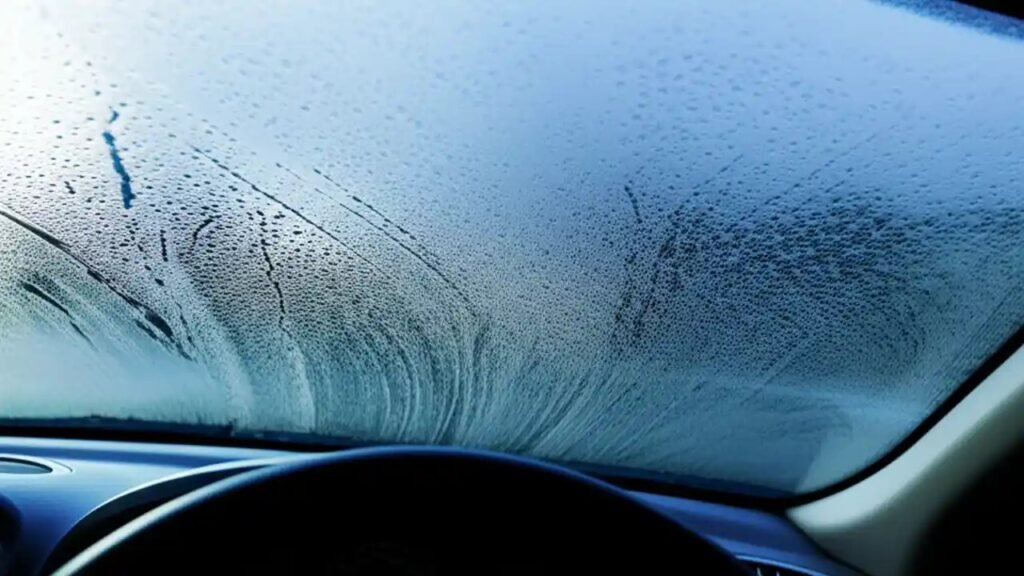
A foggy windshield is one of the most annoying driving problems, and it always seems to appear at the worst moment: a cold morning, a rainy commute, or a car full of passengers on a humid day. Knowing how to stop a car windshield from fogging up inside without the defroster is useful for several reasons. Your defroster may be broken, it may work slowly, or you may drive an older car where the heater takes a long time to warm up. Whatever the reason, you do not have to sit and wait for the glass to clear on its own. With a little understanding of why fog forms, plus a few practical tricks, you can clear the windshield and keep it clear using ventilation, moisture control, and simple preparation.
Fog forms when warm, moist air inside the car meets a cold windshield. The moisture in the air condenses into tiny water droplets on the glass, creating that milky film that blocks your view. Your breath, wet clothes, damp floor mats, and even a hot drink all add moisture to the cabin. The bigger the gap between the warm, humid air inside and the cold glass, the faster fog appears. Every fix in this guide works by changing one side of that equation: reducing moisture inside the car, warming the glass gently, or improving airflow across it.
Why Your Windshield Fogs Up Inside
Understanding the cause helps you pick the right fix instead of wiping the glass again and again. Fog is condensation, not dirt, although a dirty windshield fogs faster because grime gives water droplets more places to cling.
Several factors make fog worse. Cold weather chills the glass while the heater warms the cabin air, creating a sharp temperature difference. Rain and snow bring moisture in on shoes, coats, and umbrellas. Several passengers breathing in a closed car raise humidity quickly. A recirculation setting that traps cabin air instead of bringing in fresh air lets moisture build up. Leaks around door seals or a damp trunk can keep the interior humid all the time. Even a spilled drink or a wet floor mat can be enough to fog the glass on the next cold drive.
The inside of the windshield is also easy to neglect. A thin film of dust, smoke residue, or cleaning product builds up over time. That film attracts moisture and spreads it unevenly, so the glass fogs faster and wipes leave streaks. Keeping the inside glass clean is one of the simplest long-term defenses, and it costs almost nothing.
Quick Fixes When the Windshield Is Already Fogged
When fog appears mid-drive, safety comes first. Slow down, increase your following distance, and pull over in a safe place if visibility is too poor to drive confidently. Never try to fix a badly fogged windshield while driving at speed. Once you can act safely, these methods clear the glass without the defroster.
Crack a Window for Fresh Air
Opening a window slightly, even by a centimeter or two, is often the fastest fix. Fresh outside air is usually drier than the humid air trapped inside the car, especially in cold weather. The incoming air lowers cabin humidity and helps equalize the temperature near the glass. Opening two windows a crack, such as one at the front and one at the back on opposite sides, creates a cross-breeze that clears fog faster than a single opening. If rain is falling, crack a window on the sheltered side or use a rain guard if your car has one.
Use the Air Conditioner
The air conditioner is a powerful dehumidifier, even in cold weather. Turning on the air conditioning, with the temperature set to a comfortable level, pulls moisture out of the cabin air. Direct the vents toward the windshield and the side windows if your car allows it. You do not need icy air: warm air from the heater combined with the air conditioner running dries the air effectively while keeping you comfortable. Many drivers do not realize the air conditioner helps in winter, but it is one of the most reliable tools for clearing fog.
Turn Off Recirculation
Check that your ventilation is set to fresh air rather than recirculation. The recirculation button, often shown as a car with a curved arrow inside it, traps cabin air and lets humidity build. Switching to fresh air brings drier outside air into the car and steadily reduces fog. In very humid weather, fresh air may feel damp at first, but combined with the air conditioner it still clears the glass faster than recirculated cabin air.
Wipe Carefully as a Last Resort
Wiping with a cloth or your hand clears a small viewing area, but it often smears the moisture and leaves streaks that fog again quickly. If you must wipe, use a clean, dry microfiber cloth kept in the car for this purpose, and wipe in straight lines rather than circles. Wipe only enough to see safely, then let ventilation do the rest. Avoid using a sleeve or a dirty rag, which spreads oils and grime across the glass and makes the next round of fogging worse.
Prevent Fog Before You Start Driving
Prevention beats clearing fog after it forms. A few minutes of preparation before a trip can keep the windshield clear for the whole drive.
Clean the Inside of the Windshield
Clean the inside glass regularly with a proper glass cleaner and a microfiber cloth, or with a mix of water and a small amount of vinegar. Wipe in one direction, then buff with a second dry cloth to remove streaks. Clean glass fogs more slowly and clears more evenly than filmed glass. Pay attention to the edges and corners, where residue collects and fog often starts.
Apply an Anti-Fog Treatment
Anti-fog sprays and wipes create a thin coating that stops water from forming droplets. Instead, moisture spreads into a thin, transparent layer that is far easier to see through. Commercial anti-fog products are inexpensive and easy to apply: spray or wipe onto clean, dry glass, let it dry, and buff lightly. Reapply as directed, usually every few weeks or after cleaning the glass.
A common home alternative is a tiny amount of shaving cream rubbed onto the inside glass and buffed off. The soap film works in a similar way to a commercial product. Use only a thin layer and buff thoroughly, or you will trade fog for a hazy film. Test any home method on a small area first, and avoid products with heavy fragrances or dyes that could stain trim.
Reduce Moisture in the Car
Shake off rain gear and umbrellas before getting in, and avoid leaving wet items in the car. Remove damp floor mats and dry them indoors when they get soaked. If your car has a persistent damp smell, check for leaks around door seals, the trunk seal, and the windshield seal. A small leak can keep the cabin humid enough to fog the glass on every cold drive until it is fixed.
Moisture absorbers help in damp climates. A container of silica gel, a sock filled with cat litter, or a purpose-made car dehumidifier bag placed on the dashboard or under a seat can absorb some cabin moisture over time. These are helpers, not cures: they work best alongside good ventilation and a dry interior, and they need drying or replacing regularly to keep working.
Warm the Car Gradually
If you warm up the car before driving, do it with fresh air ventilation on and the windows cracked slightly rather than sealed tight with recirculation. Gradual warming with airflow keeps humidity from building up while the glass warms. Avoid blasting hot air onto an ice-cold windshield in one sudden rush, which can stress the glass. A steady, moderate warm-up is both safer for the glass and better for visibility.
Ventilation Tricks for Different Conditions
Different weather calls for slightly different tactics. Matching the method to the conditions clears fog faster.
Cold Mornings
On a cold morning, the glass is cold and your breath quickly fogs it. Crack a window, set ventilation to fresh air, and run the heater with the air conditioner on if your car allows it. Direct airflow toward the windshield. As the glass warms, fog fades and stays away. Keep a microfiber cloth handy for the first few minutes, when fog forms fastest.
Rainy Days
Rain brings humidity and wet passengers. Before driving, shake out umbrellas and coats outside the car. Keep ventilation on fresh air with the air conditioner running to dry the incoming air. Crack a window only a little if rain is heavy, and rely more on the air conditioner and directed vents. Dry wet floor mats at home after the trip so the next drive starts dry.
Humid Summer Evenings
In warm, humid weather, fog can form when cold air conditioning chills the glass while warm, moist outside air surrounds the car. Here the fog may appear on the outside of the glass instead. For inside fog, keep the cabin temperature moderate rather than icy, and use fresh air ventilation. If fog forms on the outside, a brief wipe with the wipers usually clears it, and raising the cabin temperature slightly reduces the temperature gap.
A Car Full of Passengers
More people mean more breath moisture. With a full car, set ventilation to fresh air early, crack a rear window slightly for a cross-breeze, and run the air conditioner. Ask passengers to keep wet coats in the trunk rather than on their laps when possible. Starting ventilation before the glass fogs is much easier than clearing a fully fogged windshield with five people breathing in a sealed car.
Pros and Cons of the Main Methods
Cracking a window is free, immediate, and effective, but it lets in cold air, rain, or road noise. Running the air conditioner dries the air reliably, but it uses a little extra fuel and may not be available in very old cars. Anti-fog coatings prevent fog before it starts and work without any airflow, but they need reapplication and can streak if applied unevenly. Moisture absorbers are passive and cheap, but they work slowly and cannot keep up with a car full of wet passengers on their own.
The best approach combines methods: clean glass, an anti-fog coating, fresh air ventilation, and the air conditioner when needed. No single trick handles every situation, but together they cover cold mornings, rain, humidity, and full cars without depending on the defroster.
Mistakes to Avoid
The biggest mistake is driving with a fogged windshield and hoping it clears. Reduced visibility is dangerous, and fog rarely improves on its own in a sealed car. Pull over safely if you cannot see clearly.
Another mistake is leaving the ventilation on recirculation. It feels warmer at first, but it traps moisture and guarantees fog. Make fresh air your default setting in cold or wet weather. A third mistake is wiping with a dirty cloth or a bare hand. Skin oils and grime spread across the glass and make fogging worse next time. Keep a clean microfiber cloth in the glove box and use nothing else on the inside glass.
Do not pour hot water on a cold windshield to clear fog or frost. Sudden temperature change can crack the glass. Warm the car gradually instead. Also avoid household glass cleaners with ammonia on tinted windows, since they can damage tint film. Check your tint care instructions and use a tint-safe cleaner if your windows are tinted.
Finally, do not ignore a defroster that never works. These tricks are useful backups, but a broken defroster is a safety system worth repairing. If your heater, blower, or air conditioner has failed, get it checked. Fog fixes help you cope, but a working ventilation system is the long-term answer.
A Simple Routine for Clear Glass
Build fog prevention into your regular car care. Clean the inside windshield every couple of weeks, reapply anti-fog treatment after cleaning, and keep the cabin dry by removing wet items promptly. Check that door and trunk seals are intact, and dry floor mats after wet weather. Before a cold or rainy drive, set ventilation to fresh air, crack a window slightly, and run the air conditioner with the heater as needed.
Keep a small kit in the car: a clean microfiber cloth, a travel-size anti-fog wipe, and a moisture absorber bag. That kit, plus the habit of ventilating early, will handle most fog situations without the defroster. Clear glass is not just a comfort issue; it is a safety issue. The few minutes spent on prevention pay off every time you drive in cold, wet, or humid conditions.
Frequently Asked Questions
Why does my windshield fog up only on the inside?
Inside fog happens when warm, moist cabin air meets cold glass and the moisture condenses. Breath, wet clothes, damp mats, and recirculated air all raise cabin humidity, which makes inside fog more likely than outside fog.
Does cracking a window really help clear fog?
Yes. Fresh outside air is usually drier than trapped cabin air, especially in cold weather. A small opening lowers humidity and equalizes temperature near the glass, which clears fog quickly, and two cracked windows create a helpful cross-breeze.
Can I use the air conditioner in winter to stop fogging?
Yes. The air conditioner removes moisture from the air even in cold weather. Running it together with the heater gives you warm, dry air, which is one of the most effective ways to clear and prevent windshield fog.
Do anti-fog sprays actually work?
Yes, when applied to clean, dry glass. They leave a thin coating that stops moisture from forming droplets, so the glass stays transparent instead of turning milky. Reapply as directed, since cleaning and time wear the coating away.
Should I use recirculation or fresh air to prevent fog?
Use fresh air. Recirculation traps humid cabin air and makes fog worse. Fresh air ventilation, especially combined with the air conditioner, steadily reduces cabin humidity and keeps the windshield clearer.
Is it safe to drive with a slightly fogged windshield?
No. Even light fog reduces visibility and slows your reaction to hazards. Slow down and pull over safely until the glass is clear, and use ventilation and a clean cloth to restore full visibility before continuing.