
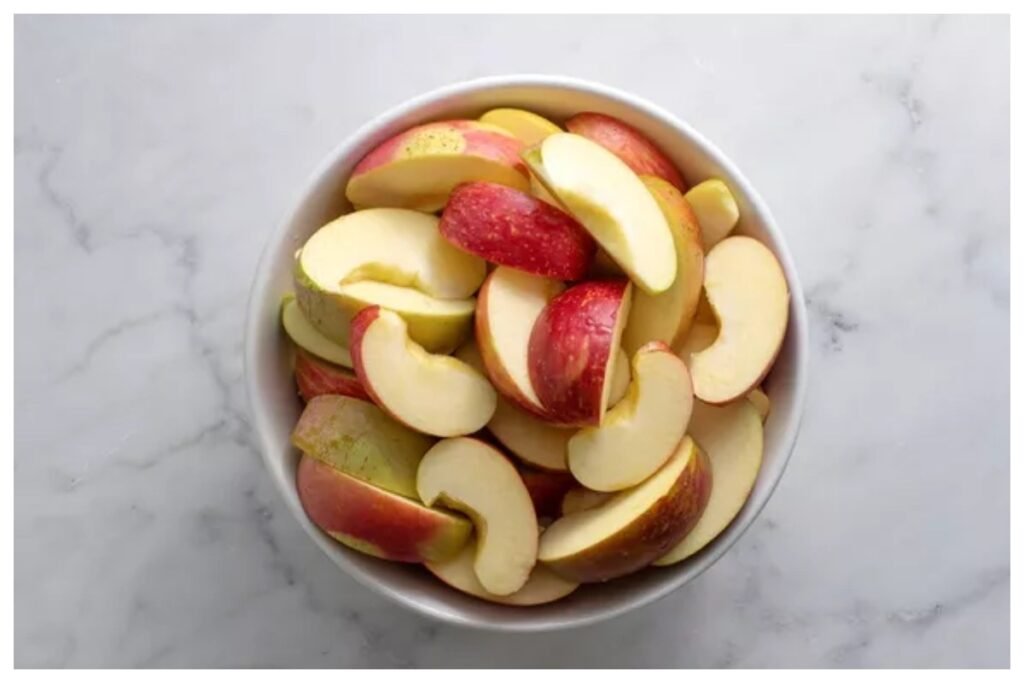
Figuring out how to keep cut apples from browning without lemon juice is a common kitchen challenge, especially for lunchboxes, fruit platters, and snack prep. Lemon juice works, but it changes the flavor, and it is not always on hand. The good news is that several everyday ingredients and simple techniques slow browning just as well, without giving your apple slices a sour citrus taste.
Browning happens because the cut surface of an apple meets air. An enzyme in the fruit reacts with oxygen and turns the flesh brown. The color change is harmless, and the apple is still safe to eat, but it looks less appetizing and can taste slightly stale. Every method below works by blocking oxygen, slowing that enzyme, or both. Once you understand the principle, you can pick the method that fits your situation.
Why Apples Turn Brown So Fast
When you slice an apple, you break open its cells and expose the flesh to air. The enzyme polyphenol oxidase then starts a reaction with oxygen that produces brown pigments. Some varieties brown faster than others: softer, sweeter apples tend to color quickly, while firmer, tarter varieties hold their color a little longer.
Temperature matters too. Warm air speeds the reaction, which is why apple slices left on a counter brown faster than slices kept in the fridge. Thin slices also brown faster than thick ones because they have more surface area exposed to air. Knowing these factors helps you choose the right method: for a quick snack, a simple soak may be enough, while slices meant for a lunchbox hours later need stronger protection.
Method 1: The Salt Water Soak
A salt water soak is one of the most reliable lemon-free methods, and it uses something every kitchen already has. Dissolve about half a teaspoon of salt in a cup of cold water, then soak the apple slices for about five minutes. Drain them, give them a quick rinse if you like, and pat them dry.
The salt slows the browning enzyme without leaving a salty taste when the ratio is kept low. This is the key detail: too much salt will flavor the apple, so measure rather than guessing. At the right strength, tasters usually cannot tell the slices were soaked at all.
Salt water works well for lunchboxes and fruit salads, and slices treated this way can stay pale for several hours in the fridge. It is also the cheapest option on this list, which makes it a great everyday default.
Method 2: The Honey Water Bath
Honey contains a natural compound that slows the browning enzyme, and a honey water bath is a gentle, kid-friendly option. Stir about two tablespoons of honey into a cup of warm water until dissolved, let it cool, then soak the slices for a few minutes before draining.
The result is slices that stay fresh-looking and taste faintly sweet, which most people enjoy. Honey water is especially good for fruit platters and snacks for children, since it adds flavor rather than sourness. Use a light, mild honey so the apple flavor still shines through.
One trade-off is stickiness: if you skip the draining step, slices can feel tacky. A brief drain and pat-dry solves that completely. Honey water also pairs nicely with other fruits on a platter, so you can treat a whole batch at once.
Method 3: Plain Cold Water and Airtight Storage
Sometimes the simplest approach is enough. Submerging apple slices in plain cold water blocks oxygen from reaching the cut surface, which dramatically slows browning. This works best when the slices stay underwater until serving time, such as in a container of water in the fridge.
For packed lunches, press the slices back together into the shape of the whole apple, wrap the reassembled apple tightly in plastic wrap or beeswax wrap, and add a rubber band to hold it snug. With almost no air touching the cut faces, browning slows to a crawl. This old-fashioned trick works beautifully for a single apple packed for school or work, and it needs no special ingredients at all.
Airtight containers help too. Slices stored in a container with as little air as possible, kept cold, stay fresher far longer than slices left loose on a plate. If you have a small container that fits the slices snugly, use it rather than a large one full of air.
Method 4: Other Fruit Juices That Work
Lemon is not the only acidic juice that slows browning. Orange juice, pineapple juice, and even apple juice itself can help, because their acidity slows the enzyme. Orange juice adds a mild citrus note that many people prefer to lemon, while pineapple juice brings a tropical sweetness.
To use this method, toss the slices briefly in the juice, just enough to coat them, then drain off the excess. A light coating is all you need; soaking for a long time can make the slices soggy. This method is ideal when you already have juice open in the fridge and want a quick, tasty fix.
Apple juice deserves a special mention: because it matches the fruit, it changes the flavor least of all. It is less powerful than citrus juice, so it suits short-term needs, like a snack within the next hour or two, rather than an all-day lunchbox.
Method 5: Vinegar Water for Savory Uses
A very dilute vinegar solution also slows browning, thanks to its acidity. Mix about one tablespoon of apple cider vinegar or white vinegar into a cup of water, soak the slices briefly, then rinse well. The rinse step matters here, because vinegar flavor clings more stubbornly than salt or honey.
This method suits savory dishes best, such as apple slices destined for a salad with vinaigrette, a cheese board, or a slaw, where a faint tang blends right in. For sweet snacks or children’s lunches, the salt water or honey methods are usually better choices.
Method 6: Sugar Water and Carbonated Water
A light sugar water soak works on a similar principle to honey water: the sugar solution coats the surface and slows the enzyme. Dissolve a tablespoon or two of sugar in a cup of cold water, soak the slices for a few minutes, and drain. The slices taste slightly sweet and stay pale for a couple of hours.
Carbonated water is another surprisingly effective option. The dissolved carbon dioxide creates a mildly acidic environment on the cut surface, and the bubbles help displace oxygen. Simply pour sparkling water over the slices, let them sit for a few minutes, and drain. It adds no flavor at all, which makes it perfect when you want the apple to taste purely like apple.
Which Method Should You Choose?
For a lunchbox that will sit for hours, the salt water soak or the reassembled-apple wrap are the strongest choices. For a fruit platter served within a couple of hours, honey water or a juice toss adds flavor and keeps slices pretty. For a quick snack at home, plain cold water or sparkling water is all you need.
If you are packing for children, taste matters as much as appearance. Honey water and salt water both keep flavor neutral or pleasant, while vinegar should be reserved for savory dishes. Try each method once and see which your family prefers; the best method is the one you will actually use.
For more ideas on keeping produce fresh, see Keep Bananas From Ripening Too Fast Without the Fridge, which covers storage tricks that work for a whole fruit bowl.
Storage Tips That Make Any Method Work Better
- Keep treated slices cold. The fridge slows browning far more than any soak alone.
- Cut slices thicker rather than paper-thin to reduce exposed surface area.
- Use a sharp knife. A clean cut damages fewer cells than a dull blade tearing through the flesh.
- Minimize air in the container. A snug container beats a roomy one every time.
- Prepare slices as close to serving time as practical, even with a treatment applied.
- Choose firmer apple varieties when you know slices will sit for hours.
What About the Brown Parts?
Browned apple is still safe to eat. The color change is a cosmetic reaction, not spoilage, and it does not make the fruit unsafe. If slices have browned a little despite your efforts, they are fine in smoothies, baking, oatmeal, or cooked dishes where appearance does not matter.
That said, browning does come with a slight change in texture and flavor over time, as the exposed flesh dries out and oxidizes. So while a browned slice will not hurt you, a treated slice simply tastes fresher and crisper. The goal of these methods is quality, not safety.
One more useful habit: when you buy fruit in bulk, store whole fruit properly before you ever cut it. Whole apples keep best in the fridge, away from strong-smelling foods, and a little care at that stage means better slices later. The same principle applies to other produce; for example, Keep Strawberries Fresh Longer Without Washing First shows how handling before prep affects freshness.
Mistakes to Avoid
- Using too much salt, which leaves slices tasting salty instead of fresh.
- Soaking slices for too long, which makes them waterlogged and soft.
- Skipping the rinse after a vinegar soak, which leaves a strong tang.
- Leaving treated slices on a warm counter, where heat undoes the benefit of the soak.
- Packing slices in a large container full of air instead of a snug one.
- Using a dull knife that crushes cells and speeds browning from the start.
- Assuming a method failed when the real problem was hours at room temperature.
Quick Comparison
- Salt water: cheapest, neutral taste, great for lunchboxes.
- Honey water: sweet, kid-friendly, best for platters and snacks.
- Cold water and wrapping: no ingredients needed, excellent for a single packed apple.
- Orange or pineapple juice: flavorful, quick, good for short-term serving.
- Vinegar water: effective but best reserved for savory dishes.
- Sugar water: gentle sweetness, good for a couple of hours.
- Sparkling water: zero added flavor, ideal when pure apple taste matters.
FAQ
Is browned apple safe to eat?
Yes. Browning is a natural reaction between an enzyme in the apple and oxygen in the air. It changes the color and slightly affects texture and flavor, but it does not make the apple unsafe.
How long do treated apple slices stay fresh?
In the fridge, slices treated with salt water or honey water typically stay pale and crisp for several hours, easily long enough for a lunchbox or a party platter. Warm temperatures shorten that window, so keep them cold whenever possible.
Which method tastes the least different from plain apple?
Sparkling water and the reassembled-apple wrap add no flavor at all. A light salt water soak is a close second, since the salt level is too low to taste. Honey water and juice tosses add a little sweetness, which many people enjoy.
Can I use these methods for other fruits?
Yes. The same principles work for pears, bananas, and avocados, all of which brown through a similar reaction. Salt water and honey water are both useful across these fruits, though you may need to adjust soak times.
Why did my slices still brown after soaking?
The most common reasons are a soak that was too weak or too short, slices left at room temperature for hours, or a container with too much air. Try a slightly stronger soak, keep the slices cold, and pack them snugly.
Does the apple variety matter?
Yes. Firmer, tarter varieties tend to brown more slowly than soft, sweet ones. If you know slices will sit for a long time, picking a firm variety gives every method a head start.














2 thoughts on “How to Keep Cut Apples From Browning Without Lemon Juice”
Comments are closed.