
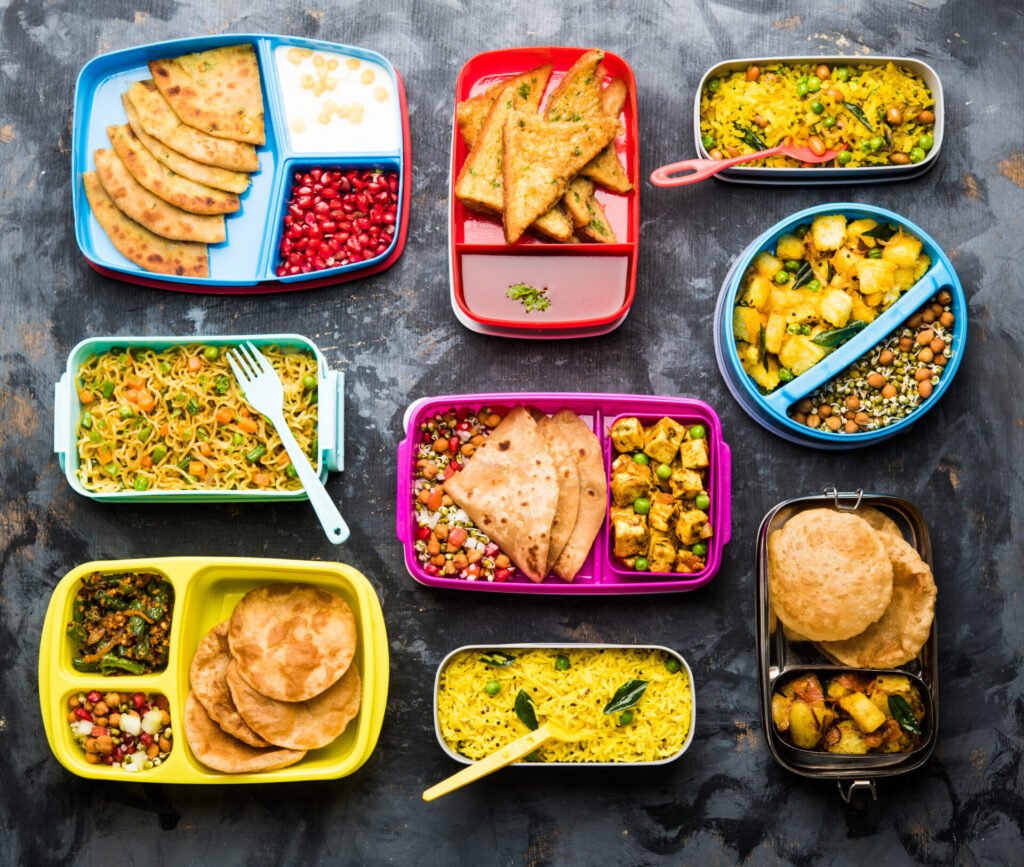
Learning how to keep a lunchbox cold without an ice pack is a useful skill for anyone who packs meals for school, work, day trips, or sports practice. Ice packs are convenient, but they get left in the freezer, they leak as they thaw, and they take up space that could hold food. The good news is that you can keep lunch cold for hours with items you already have at home, as long as you understand how cold escapes a lunchbox and how to slow that process down. With a little planning the night before, a lunch packed in the morning can still be cool and fresh at noon.
Cold food warms up for three main reasons: warm air gets in every time the bag is opened, heat passes through thin bag walls, and warm food packed straight from the stove or counter heats everything around it. Every trick in this guide targets one of those causes. None of them requires a special purchase, although an insulated bag makes the biggest difference. Used together, frozen drinks, pre-chilled containers, smart layering, and the right food choices can keep a lunch safely cold for four to six hours in normal indoor conditions, and for a shorter time on a hot day outdoors.
Food Safety First: How Cold Is Cold Enough
Perishable foods such as meat, dairy, eggs, cut fruit, cooked rice, and pasta salads need to stay cold until they are eaten. Food safety experts describe the temperature range between 40 degrees Fahrenheit and 140 degrees Fahrenheit as the danger zone, because bacteria that cause foodborne illness can multiply quickly in that range. The goal of packing a cold lunch is simple: keep perishable food below 40 degrees Fahrenheit for as long as possible, and do not let it sit in the danger zone for long.
As a general rule, perishable food that has been left out at room temperature for more than two hours should be discarded. On a very hot day, when the temperature is above 90 degrees Fahrenheit, that window shrinks to about one hour. This guidance is general information only, not a guarantee for any specific meal, and it applies to the total time food spends out of refrigeration, including the commute, the time it sits in a locker or on a desk, and the time before it is eaten. When in doubt, throw it out, because food that has warmed up can look and smell perfectly fine while still being unsafe.
That rule also shapes what you should pack when no ice pack is available. On a long, hot day, it is smarter to pack foods that tolerate a little warming, such as whole fruit, peanut butter sandwiches, hard cheese, crackers, and shelf-stable snacks, and save highly perishable items like deli meat, soft cheese, and creamy salads for days when you can keep them properly chilled. A lunch that stays safe matters more than a lunch that is merely cool to the touch.
Method 1: Freeze a Drink and Let It Do Double Duty
The easiest replacement for an ice pack is a frozen drink. Fill a water bottle about three quarters full, freeze it overnight, and pack it next to the food in the morning. As the day goes on, the bottle thaws, keeps the food cold, and becomes a cold drink by lunchtime. A frozen juice box, a small carton of milk, or a reusable bottle of water all work the same way, and unlike a gel pack, the frozen drink gets used rather than carried home.
Leave room in the bottle for expansion, because water expands as it freezes and a completely full bottle can crack or burst. A sturdy reusable bottle handles freezing better than a thin single-use bottle. If you freeze a juice box, place it in a zip-top bag in case the seal weakens, and check that the drink is still cold, not merely cool, at lunchtime. For a longer hold, freeze two smaller bottles instead of one large one, and place one on each side of the food so cold surrounds it from both directions.
Frozen drinks work best inside an insulated bag. In a thin tote or paper bag, a frozen bottle will thaw quickly and the cold will escape into the surrounding air. Inside insulation, the same bottle can stay partly frozen for hours. If the lunch will be eaten late in the afternoon, freeze the drink solid for a full night rather than for just a few hours, since a partially frozen bottle loses its cooling power much sooner.
Method 2: Freeze Part of the Lunch Itself
You can also freeze the food itself, so the lunch becomes its own ice pack. Yogurt tubes, applesauce pouches, grapes, berries, and small containers of soup or pasta freeze well and thaw gradually by lunchtime. A frozen yogurt tube is a favorite for school lunches because it thaws to a soft, spoonable texture right around midday, and frozen grapes stay firm and refreshing long after fresh grapes would have warmed up.
Not every food freezes well, so choose carefully. Sandwiches with lettuce, tomato, or mayonnaise turn soggy when frozen and thawed, and soft cheeses can change texture. Better candidates are foods that are already sturdy: a peanut butter sandwich, a bagel with cream cheese, a container of chili, a portion of rice and beans, or a smoothie packed in a sealed jar. Freeze these items the night before, pack them frozen in the morning, and let them thaw slowly inside the insulated bag.
Method 3: Pre-Chill Everything Before Packing
One of the most overlooked tricks is pre-chilling. A lunchbox packed with warm containers, warm snacks, and a room-temperature bag starts the day already fighting a losing battle. Chill the insulated bag itself in the refrigerator overnight, or at least for an hour before packing. Chill the containers too, and pack food straight from the refrigerator rather than letting it sit on the counter while you get ready.
Pre-chilling works because cold objects absorb heat before the food does. A chilled container and a chilled bag act as a buffer, slowing the warm-up of everything inside. If you prepare sandwiches the night before, keep them refrigerated in their containers so the whole package is cold when it goes into the bag. The same applies to drinks, fruit, and snacks: every cold item in the bag helps keep the others cold, while every warm item does the opposite.
Method 4: Insulate Like You Mean It
Insulation is what turns a frozen bottle from a short-term trick into an all-morning solution. An insulated lunch bag with a zipper closure and a reflective or padded lining holds cold far longer than a cloth tote, a paper bag, or a plastic grocery bag. If you do not own an insulated bag, you can improvise: wrap the food containers in a clean kitchen towel, a small blanket, or even a spare sweater, and place the bundle inside a bag. Layers trap air, and trapped air slows heat transfer.
How you pack inside the bag matters as much as the bag itself. Fill empty space, because air gaps let warm air circulate around the food. A small towel, a napkin bundle, or an extra snack can fill a gap and add insulation at the same time. Keep the bag zipped shut, and resist opening it to check on the food, since every opening lets warm air in and cold air out. Store the bag in the coolest spot available: a shaded locker, an air-conditioned office, the bottom of a backpack away from direct sun, or a refrigerator at work if one is available.
On a hot day, add an outer layer of protection. Placing the lunch bag inside a larger tote, wrapping it in a light-colored cloth that reflects sunlight, or keeping it in the shade rather than on a sunny car seat can add an hour or more of safe cold time. A car trunk or dashboard in summer is one of the worst places for a lunchbox, because temperatures inside a parked car climb far above the outdoor temperature within minutes.
Method 5: Choose the Right Containers
Container choice affects how long lunch stays cold. Stainless steel containers conduct heat quickly, so food inside them warms faster than food in thick plastic or insulated containers. If you use stainless steel, compensate with better insulation around it. Glass containers are heavy but hold cold reasonably well, and they seal tightly, which keeps cold air from escaping each time the bag shifts.
Use containers that fit the food snugly. A large container that is only half full holds a pocket of warm air that speeds warming, while a small, full container has less air to warm up. Separate wet and dry foods so condensation does not make sandwiches soggy, and use leak-proof lids so melting ice or thawing fruit does not soak everything else. If you pack a salad, keep the dressing in a small separate container and add it at lunchtime, which also keeps the greens crisp longer.
What to Pack When You Have No Ice Pack
Some foods are naturally better travelers without an ice pack. Whole fruits with peels, such as bananas, oranges, and apples, need no refrigeration for a few hours. Hard cheeses, such as cheddar or Parmesan, hold up better than soft cheeses. Crackers, pretzels, granola bars, trail mix, dried fruit, and nut butter sandwiches are shelf-stable and stay safe even if they warm to room temperature. For a simple approach to keeping fruit fresh in a lunchbox, see how to keep cut apples from browning without lemon juice, which covers methods that work well for packed lunches.
Foods to be cautious with include deli meat, cooked chicken or fish, egg salad, tuna salad, potato salad, soft cheese, and any creamy dressing or dip. These foods are fine in a well-chilled lunch, especially next to a frozen drink, but they are the first items to become risky if the lunch warms up. If you pack them, make them the coldest items in the bag: freeze a drink, pre-chill the container, and place them directly against the frozen bottle.
A balanced no-ice-pack lunch might look like this: a peanut butter and banana sandwich, a frozen yogurt tube, a handful of grapes, carrot sticks with a small container of hummus kept against the frozen drink, and a bottle of water frozen overnight. Another option is a pasta salad packed cold in a small container next to a frozen juice box, with an apple and crackers on the side. Both lunches stay cold for hours and still taste good when the frozen items thaw.
Three Packing Plans for Different Days
For a standard school or office day, pack the night before and refrigerate everything. In the morning, drop a frozen water bottle into an insulated bag, add the chilled containers, fill gaps with a napkin, zip the bag, and store it in the coolest available spot. This routine takes less than a minute in the morning and keeps lunch cold until midday in most indoor settings.
Mistakes That Warm Lunch Up Fast
The most common mistake is packing lunch too early and leaving it on the counter. A lunch assembled at breakfast and left on a kitchen counter until departure has already spent an hour warming up before the day even starts. Pack lunch as close to departure as possible, or pack it the night before and keep it refrigerated until you leave.
Another mistake is overpacking the bag with warm snacks. A room-temperature bag of chips, a warm granola bar from a sunny pantry shelf, and a sandwich made with room-temperature bread all add heat to the bag. Chill what you can, and keep the bag itself cool. Opening the bag repeatedly to grab a snack also lets cold out, so pack a separate small snack bag for the morning if early snacking is likely.
How Long Will Lunch Actually Stay Cold
With a frozen drink and an insulated bag, most lunches stay below 40 degrees Fahrenheit for about four hours in a cool indoor environment, and for two to three hours outdoors on a warm day. Adding a second frozen item and pre-chilling everything can extend that window, while a thin bag, a hot car, or frequent opening can shorten it dramatically. These are rough guides, not guarantees, because bag quality, outdoor temperature, and food type all affect the result.
FAQs
Can I keep a lunchbox cold without an ice pack for a full school day?
Yes, in most indoor settings, a frozen drink plus an insulated bag keeps lunch cold until midday. For a late lunch or a hot outdoor day, add a second frozen item, pre-chill everything, and choose hardier foods to stay on the safe side.
Is a frozen water bottle as good as an ice pack?
For a typical lunch, yes. A frozen bottle provides similar cooling, takes up similar space, and has the advantage of becoming a drink by lunchtime. Gel packs stay frozen slightly longer in some cases, but a frozen bottle is a strong substitute.
What foods are safest without an ice pack?
Whole fruit, peanut butter sandwiches, hard cheese, crackers, pretzels, trail mix, dried fruit, and granola bars are the safest choices. Deli meat, egg salad, tuna salad, and creamy salads need reliable chilling and should sit directly against a frozen drink.
How do I keep a lunch cold on a very hot day?
Freeze two drinks, freeze a yogurt tube or grapes as well, wrap containers in a towel inside an insulated bag, keep the bag in the shade, and eat earlier rather than later. Avoid leaving the bag in a parked car, where temperatures rise fast.
Should I throw away lunch that warmed up?
Perishable food left at room temperature for more than two hours, or about one hour on a very hot day, should be discarded. Food can look and smell fine while still being unsafe, so use time and temperature, not appearance, as your guide.
Can I freeze a sandwich the night before?
Yes, if you choose the right sandwich. Peanut butter, bagels, and sturdy fillings freeze well. Avoid freezing sandwiches with lettuce, tomato, or mayonnaise, which turn soggy after thawing. Pack the frozen sandwich in the morning and let it thaw inside the insulated bag.












1 thought on “How to Keep a Lunchbox Cold Without an Ice Pack”
Comments are closed.