You land after a ten-hour flight, the sun is blazing at what your body insists is 3 a.m., and by dinner you are falling asleep in your soup. Jet lag is the travel tax everyone pays, but the size of that tax is negotiable. If you want to know how to recover from jet lag faster after a long flight, the secret is not a miracle supplement. It is giving your body clock the right cues, light, sleep, food, and movement, at the right local times.
This guide walks through a practical recovery plan: what to do before you fly, during the flight, and in the critical first 48 hours after landing. Follow it and most travelers cut their adjustment time dramatically.
Why Jet Lag Hits So Hard
Your body runs on a roughly 24-hour internal clock, the circadian rhythm, which controls when you feel sleepy and alert. Crossing time zones throws that clock out of sync with local time. The result is daytime fatigue, nighttime wakefulness, brain fog, digestive trouble, and general grumpiness.
A useful rule of thumb: your body adjusts about one to one and a half time zones per day. A six-hour difference takes roughly four to six days to fully resolve on its own. Eastward travel (losing hours) is usually harder than westward travel (gaining hours), because it is physiologically tougher to fall asleep earlier than to stay up later. If you regularly struggle with schedule shifts, our guide on sleeping better on a night shift schedule covers the same circadian principles in depth.
Before You Fly: Pre-Shift Your Schedule
The fastest recovery starts before takeoff. Three to four days before departure, begin nudging your sleep and wake times toward your destination:
- Flying east: go to bed 30 to 60 minutes earlier each night and get up earlier each morning.
- Flying west: go to bed 30 to 60 minutes later each night and sleep in a bit later.
- Shift light exposure too. Flying east? Get bright morning light. Flying west? Seek evening light. Light is the strongest signal your clock listens to.
- Arrive rested, not exhausted. Starting a long trip sleep-deprived makes every symptom worse. Protect your sleep the week before you travel.
Even a partial shift of two or three hours gives your body a meaningful head start.
During the Flight: Set Your Watch to Destination Time
The moment you board, switch your watch and phone clock to your destination’s time zone and start living on it mentally. Then:
Sleep strategically, not randomly
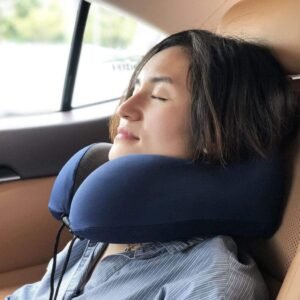
If it is nighttime at your destination, try to sleep on the plane. If it is daytime there, stay awake. An eye mask, earplugs or noise-canceling headphones, and a neck pillow make real sleep far more likely. For detailed in-flight comfort tactics, see how to sleep comfortably on a long flight in economy class.
Hydrate aggressively
Cabin air is extremely dry, and dehydration amplifies fatigue, headaches, and brain fog. Drink water steadily through the flight. Limit alcohol, which fragments sleep and dehydrates you, and go easy on caffeine late in the flight if you will need to sleep on arrival.
Move and eat on destination time
Walk the aisle every couple of hours to keep blood flowing. When the meal cart comes, eat according to destination meal times if you can; meal timing is a secondary clock-setter that reinforces the new schedule.
The Arrival Day: Your Most Important 24 Hours
How you spend your first day determines how fast you recover. Here is a simple protocol:
- Get outdoor light within an hour of waking. Daylight is the single most powerful reset signal. Go outside without sunglasses for the first 20 to 30 minutes if you can. Flying east? Prioritize morning light and dim the lights after dinner. Flying west? Seek afternoon and evening light instead.
- Stay awake until local bedtime. This is the hardest rule and the most important. Collapsing into bed at 4 p.m. feels wonderful and guarantees you will be wide awake at 2 a.m.
- Take a strategic nap if you must. If you absolutely cannot stay awake, nap for 20 to 30 minutes maximum, and never after mid-afternoon local time. Set an alarm. A short nap restores alertness without sabotaging nighttime sleep.
- Eat meals at local times. Even if you are not hungry, eating breakfast at local breakfast time tells your body the new day has started.
- Exercise lightly. A walk, an easy swim, or gentle stretching boosts alertness and improves that night’s sleep. Save intense workouts for day three or later.
- Get to bed at a normal local hour. Aim for your usual bedtime in the new time zone, and make the room dark, cool, and quiet.
Light Timing: The Direction Matters
Light resets your clock, but the timing has to match your direction of travel:
- Eastbound (for example, US to Europe): you need to fall asleep earlier, so get bright light in the morning and avoid bright light in the late afternoon and evening for the first couple of days.
- Westbound (for example, Europe to the US): you need to stay up later, so get bright light in the late afternoon and evening and keep mornings dimmer.
- Overcast days still count. Outdoor light on a cloudy day is far brighter than indoor lighting. Get outside regardless of weather.
Sleep Aids: What Actually Helps
- Melatonin, used precisely. A low dose (around 0.5 to 3 mg) taken 30 to 60 minutes before your desired bedtime for the first two or three nights can help shift your clock, especially for eastbound travel. It is a timing signal, not a sleeping pill. Talk to your doctor first if you take other medications.
- Short-term sleep support. Some travelers use an over-the-counter sleep aid for the first night or two. These can help you fall asleep but do not reset your clock, so pair them with light and schedule strategies.
- Caffeine with a cutoff. Coffee in the local morning helps you stay awake during the day. Stop caffeine by early afternoon local time so it does not wreck your night.
- Avoid alcohol as a sleep aid. A nightcap may make you drowsy, but alcohol fragments sleep architecture and leaves you less rested.
Eating and Drinking for Faster Recovery
- Hydrate for two days, not just the flight. Keep drinking water generously on arrival day. Dehydration symptoms mimic jet lag symptoms.
- Eat light and familiar. Heavy, greasy, or unfamiliar foods can worsen the digestive upset that often comes with jet lag. Stick to simple meals for the first day or two.
- Time your protein and carbs. Protein-rich breakfasts promote daytime alertness; lighter, carb-inclusive dinners support evening sleepiness. This is a gentle nudge, not a strict rule.
- Go easy on big evening meals. A heavy late dinner can keep you awake and uncomfortable. Eat dinner at a normal local hour and keep it moderate.
Common Jet Lag Mistakes to Avoid
- The arrival-day marathon nap. Sleeping from 2 p.m. to 9 p.m. on day one feels like relief and creates three more days of misery.
- Scheduling big commitments on day one. Do not plan important meetings, long drives, or complex decisions for arrival day, especially after eastbound flights. Your reaction time and judgment are genuinely impaired.
- Chasing the clock with caffeine all day. All-day coffee keeps you wired at night and wired-tired the next day. Use caffeine strategically, then stop.
- Staying indoors. Hiding in a dim hotel room on arrival day removes the strongest reset signal available: daylight.
- Expecting instant adjustment. Even with a perfect protocol, a big time-zone jump takes a few days. Plan a buffer day of low-key activities after long eastbound trips.
A Sample 48-Hour Recovery Plan
Day 1 (arrival day)
- Morning: get outside within an hour of waking, eat breakfast at local time, take a walk.
- Afternoon: stay active and in daylight; one short nap only if desperate, before 3 p.m.
- Evening: eat dinner at a normal local hour, dim lights after dinner, bed at a normal local bedtime.
Day 2
- Wake at a consistent local time (use an alarm if needed). Morning light again.
- Normal meals at local times. Light exercise is fine.
- Same bedtime. Most travelers feel dramatically better by the morning of day three.
If you are a naturally early riser struggling with the new schedule, the techniques in how to wake up earlier without feeling tired apply directly to anchoring a new wake time while traveling.
Frequently Asked Questions
How long does jet lag last?
As a rough guide, allow about one day of recovery per time zone crossed, with eastward travel taking a bit longer. A six-hour difference typically takes four to six days to fully resolve without intervention, but the active strategies in this guide can shorten that noticeably.
Does melatonin really help with jet lag?
Melatonin can help when used as a timing signal: a low dose taken 30 to 60 minutes before your desired bedtime for the first two to three nights, particularly for eastbound travel. It works best combined with timed light exposure. It is not a sedative, so it will not knock you out the way a sleeping pill does.
Is jet lag worse flying east or west?
Eastward travel is usually harder. Flying east requires your body to fall asleep earlier and wake earlier, which means shortening the day, something the human clock resists more than lengthening it. Westbound travelers often adjust a day or two faster.
Should I sleep on the plane to avoid jet lag?
Sleep on the plane only if it is nighttime at your destination. If it is daytime where you are headed, staying awake helps you arrive ready to stay up until local bedtime, which is the single most important recovery step. Match your in-flight behavior to destination time.
Can children get jet lag?
Yes, and they often show it as crankiness, night waking, and appetite changes rather than describing fatigue. The same principles apply: daylight, local meal times, and a consistent local bedtime. Keep the first couple of days low-key and expect a few rough nights.
When should I see a doctor about jet lag symptoms?
Standard jet lag resolves within about a week. See a doctor if severe insomnia, extreme fatigue, or digestive problems persist beyond that, or if you experience chest pain, leg swelling, or shortness of breath after a long flight, which can signal something more serious than jet lag.