Learning how to stop a zipper from sticking without lubricant is a handy skill, because a stuck zipper always seems to jam at the worst moment: a jacket that will not close on a cold morning, a bag that will not open when you need your keys, or a pair of jeans that refuses to zip. The usual advice is to buy a lubricant spray, but you do not need a special product. A pencil, a bar of soap, or a candle can do the same job, because the real problem is usually friction, dirt, or a small misalignment, not a lack of commercial lubricant. This guide walks through the fixes in order, from the quickest tricks to the repairs that solve a zipper that keeps sticking again and again.
Why Zippers Stick in the First Place
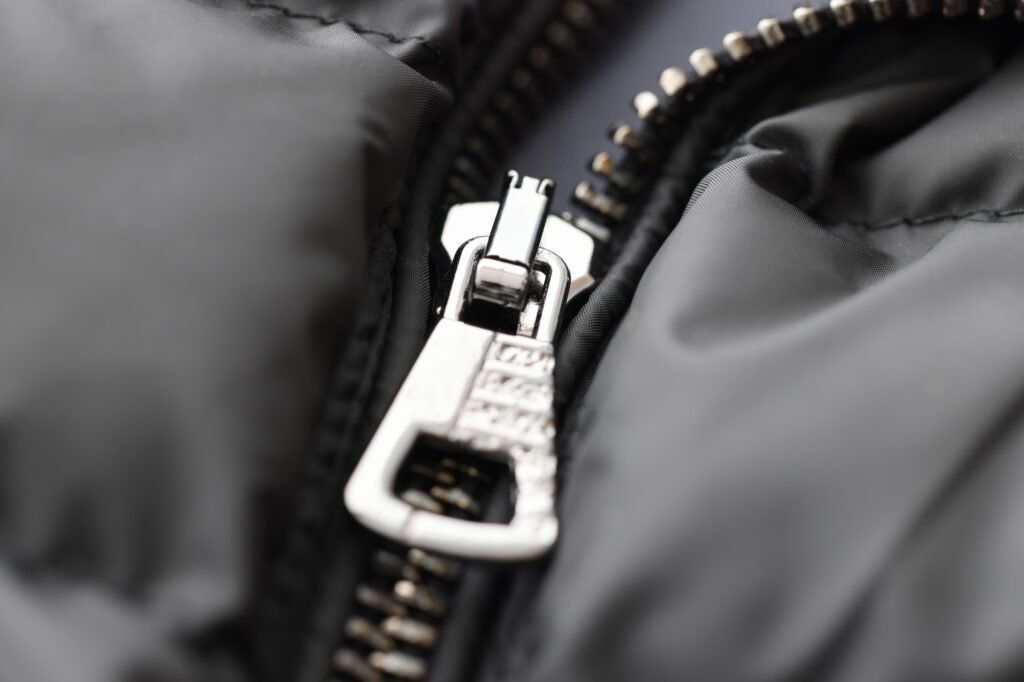
A zipper works by pulling two rows of small teeth together through a slider, a little metal or plastic piece that guides the teeth into each other. When it sticks, one of a few things is usually wrong. Dirt, lint, and dried sweat build up on the teeth and inside the slider, adding friction. The teeth can become slightly bent or misaligned, especially on a bag or jacket that gets stuffed into tight spaces. The fabric next to the zipper can get caught in the slider, and the slider itself can wear loose over time so that it no longer squeezes the teeth together properly.
Moisture makes the problem worse. A jacket zipper that has been out in the rain can develop a thin layer of corrosion on metal teeth, and a zipper on swimwear or outdoor gear can stiffen after exposure to salt water or sand. Knowing the cause decides the fix: a dirty zipper needs cleaning, a dry zipper needs a friction reducer such as graphite or soap, a bent tooth needs straightening, and a loose slider needs a gentle squeeze. Most sticking zippers have only one of these problems, and the fix takes a few minutes once you know which one it is.
Step 1: Check for Caught Fabric and Debris
Before trying any fix, look closely at the zipper. In many cases, the problem is visible: a fold of fabric caught in the slider, a thread wrapped around the teeth, or a small piece of lint wedged in the mechanism. Hold the fabric flat and taut with one hand, away from the zipper, and try moving the slider gently in the direction that frees it. If fabric is caught, pull the fabric, not the slider. Tugging the slider while fabric is trapped only wedges it tighter.
Work slowly. Move the slider a tiny amount in one direction, then back the other way, while keeping the fabric pulled clear. Small, patient movements free a jammed zipper far better than one hard pull, which can tear the fabric or bend the teeth. If a thread is wrapped around the teeth, use small scissors or tweezers to snip it away carefully, taking care not to cut the zipper tape itself.
Once the slider moves again, run it up and down the full length of the zipper a few times to check whether it sticks in the same spot. If it does, there is likely dirt or a bent tooth at that exact place, and the steps below will deal with it.
Step 2: Clean the Zipper Teeth
Cleaning is the most overlooked zipper fix, and it solves a surprising number of sticking zippers on its own. Dirt and dried residue on the teeth create friction that no amount of graphite will fix if the grime stays in place. Start with a dry, soft-bristled toothbrush or an old clean paintbrush. Brush along the teeth on both sides, working from one end of the zipper to the other, to sweep out lint and dust.
For a deeper clean, dampen the brush with warm water and a tiny drop of mild dish soap, then brush the teeth again. Wipe the teeth with a clean, damp cloth to remove the loosened dirt and soap, then dry the zipper thoroughly with a dry cloth. Let it air dry for a few minutes before testing it. Do not soak the garment or the bag; you only need the zipper area damp, not wet.
For a metal zipper with light corrosion or a dull, gritty feel, dip a cotton swab in white vinegar and wipe it along the teeth. The mild acid helps dissolve the thin layer of buildup. Wipe the teeth dry afterward, since leaving them wet invites more corrosion. For a plastic zipper, skip the vinegar and stick to soapy water, since plastic teeth do not corrode and only need the dirt removed.
Step 3: The Pencil Graphite Trick
Graphite is one of the best dry lubricants for a zipper, and a regular pencil is the easiest source of it. The soft, dark lead in a pencil is mostly graphite, and it coats the teeth with a thin, slippery layer that reduces friction without leaving a wet or sticky residue. Use a soft pencil, such as a number 2 pencil, and make sure the tip is not too sharp.
Open the zipper as far as it will go, then rub the pencil tip firmly along the teeth on both sides, working the graphite into the grooves between the teeth. Cover the full length of the zipper, not just the spot where it sticks, because the slider travels the whole length and needs a smooth path everywhere. Rub the pencil on the front and the back of the teeth if you can reach them.
Now move the slider up and down slowly several times to spread the graphite along the track. If the zipper still sticks in one spot, apply more graphite directly to that area and work the slider back and forth over it a few times. The improvement is often immediate. Wipe away any loose graphite dust with a dry cloth so it does not mark light-colored fabric. Graphite can leave a gray smudge on white or pale material, so apply it carefully on light garments and wipe the area clean after the zipper is moving freely.
Step 4: A Bar of Soap or a Candle
A bar of soap is another excellent household fix for a sticking zipper. Rub a dry bar of soap along the teeth on both sides of the zipper, coating them with a thin layer. Then move the slider up and down to spread the soap along the track. The soap reduces friction immediately, and it works on both metal and plastic zippers. Use a plain, unscented bar if you can; a heavily perfumed soap works too, but it may leave a scent on the garment. Wipe away any excess soap with a dry cloth.
A candle works the same way. Rub a plain white candle along the teeth so that a thin layer of wax coats them, then run the slider back and forth to spread it. Wax is slightly more durable than soap, so it lasts longer on a zipper that is used every day, such as a jacket or a bag. It also works well on outdoor gear, since wax resists moisture better than soap.
Both soap and wax are good choices for a zipper on a bag or a tent, where a wet or oily product would stain the material around it. Apply a thin, even layer rather than a thick one. Too much soap or wax can build up inside the slider and make the problem worse, so if the zipper feels gummy after the first application, wipe the teeth clean and apply a lighter coat.
Step 5: Fix a Bent Tooth or a Loose Slider
If the zipper still sticks in the same spot after cleaning and graphite, look closely at the teeth in that area. A single bent tooth is a common cause of a stubborn jam. Use a pair of small pliers or tweezers to straighten the tooth gently. Grip the tooth near its base and bend it back into line with the teeth around it. Work slowly and check your progress by running the slider past the spot after each small adjustment. A tooth that is cracked or broken cannot be fixed this way, and the zipper may need a professional repair or replacement.
A loose slider is the other common cause of a zipper that sticks or separates behind the slider. The slider is supposed to squeeze the teeth together as it moves, but after years of use, the metal can spread slightly and lose its grip. You can test this by looking at the slider from the side: if there is a visible gap between the top and bottom plates, or if the zipper opens up behind the slider as you close it, the slider is too loose.
To fix a loose metal slider, squeeze it gently with pliers. Place the pliers across the top and bottom of the slider, near the nose end, and apply light pressure. Test the zipper after each small squeeze, and stop as soon as it closes smoothly. Squeezing too hard will jam the slider completely, so use the lightest pressure that works. This trick only works on metal sliders; plastic sliders cannot be squeezed back into shape and need replacing.
Step 6: When the Zipper Separates or Will Not Stay Closed
A zipper that closes and then pops open behind the slider has a different problem: the teeth are not meshing properly. First, check the bottom stop, the small metal piece at the base of the zipper. If the stop is loose or missing, the slider can slip past the end of the teeth and misalign. A loose stop can sometimes be tightened with pliers, but a missing stop usually needs a replacement, which a tailor or a repair shop can fit in minutes.
Next, look at the teeth near the bottom of the zipper. If the first few teeth are bent or worn, the slider cannot start the meshing process correctly. Straighten any bent teeth with pliers as described above. If the teeth are worn smooth or broken, the zipper needs replacing.
For a quick temporary fix on a jacket or a pair of jeans, a small safety pin or a stitch through the bottom of the zipper can hold it closed until you can get a proper repair. This is a stopgap, not a solution, but it keeps the garment wearable in the meantime. For a bag, a small key ring through the slider pull can give you extra leverage and make a stiff zipper easier to move.
Preventing Sticking Zippers
Prevention is simple and saves you from repeating the fix. Close zippers before washing a garment or a bag, since an open zipper can catch on other items in the wash and bend its teeth. Do not overstuff a bag or a jacket pocket; pressure on the zipper bends the teeth and strains the slider. Keep zippers clean by brushing them occasionally, especially on outdoor gear that picks up sand and dirt.
Apply a light coat of graphite or wax to a zipper that is used every day, once every few months, before it starts sticking. This is especially useful for winter jackets, boots, and luggage that sit unused for months and then stiffen up. Store bags and jackets with their zippers closed, which keeps the teeth aligned and stops the slider from sliding to the bottom and putting pressure on the end stop.
For related clothing care ideas, our guide on getting rid of static cling in clothes without dryer sheets covers another common clothing annoyance with household fixes, and our article on removing grease stains from a shirt without dish soap has more gentle garment care tips. If you want to keep white clothing looking fresh, see how to keep a white shirt white without bleach.
Mistakes to Avoid
The biggest mistake is forcing a stuck zipper. Yanking the slider tears the fabric, bends the teeth, and can rip the zipper tape away from the garment, turning a two-minute fix into a repair job. A second mistake is using a wet or oily product on a zipper near light-colored fabric. Cooking oil, petroleum jelly, and spray lubricants can stain clothing permanently, which is why the dry methods in this guide, graphite, soap, and wax, are safer choices for garments.
Another error is applying too much soap or wax. A thick layer builds up inside the slider and attracts dirt, which makes the zipper stick worse over time. Apply a thin coat, test the zipper, and add more only if needed. Finally, do not use pliers on a plastic slider or squeeze a metal slider too hard. Plastic cracks under pressure, and a metal slider squeezed too far will jam completely. Test after each small adjustment.
Frequently Asked Questions
Can I use a pencil to fix a stuck zipper?
Yes. Rub a soft pencil along the teeth on both sides of the zipper to coat them with graphite, then move the slider up and down several times to spread it. Graphite reduces friction without leaving a wet or sticky residue, and it works on both metal and plastic zippers.
Does soap really help a sticking zipper?
Yes. Rubbing a dry bar of soap along the zipper teeth coats them with a thin, slippery layer that lets the slider move freely. It works immediately on most sticking zippers. Wipe away any excess soap so it does not build up inside the slider.
Why does my zipper keep sticking in the same spot?
A zipper that sticks in one spot usually has a bent tooth, a buildup of dirt, or a worn patch at that exact place. Clean the teeth, apply graphite to the spot, and inspect the teeth closely. If one tooth is bent, straighten it gently with pliers.
How do I fix a zipper that closes and then opens behind the slider?
This usually means the slider is too loose to squeeze the teeth together properly. Squeeze a metal slider gently with pliers, a little at a time, testing after each squeeze. If the teeth themselves are worn or broken, the zipper needs replacing.
Can I use candle wax on a zipper?
Yes. Rub a plain candle along the teeth to leave a thin layer of wax, then run the slider back and forth to spread it. Wax works well on jackets, bags, and outdoor gear, and it lasts longer than soap because it resists moisture.
What should I do if fabric is caught in my zipper?
Hold the fabric flat and taut away from the zipper, then move the slider gently back and forth in small movements until it frees itself. Pull the fabric, not the slider, and never yank. If a thread is wrapped around the teeth, snip it away carefully with small scissors.