

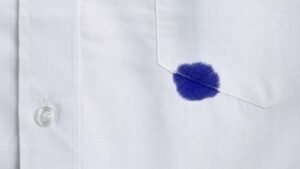
A splash of red wine on a white shirt feels like a disaster, especially at a dinner party, a wedding, or a restaurant. The good news is that you can learn how to remove red wine from a white shirt without bleach, using items you probably already have at home. Bleach is not the only answer, and it is often not the best one, since it can weaken cotton fibers, yellow fabric over time, and ruin silk, wool, or blended shirts.
This guide covers what to do in the first few minutes, six proven methods for fresh and dried stains, and how to wash and dry the shirt safely afterwards. Most fresh stains come out completely if you act quickly, and even dried stains often fade or disappear with a longer soak and the right treatment.
Act Fast: What to Do in the First Five Minutes
Speed matters more than any single product. Red wine contains tannins and pigments that bind to fabric as the stain dries. While the stain is wet, most of the pigment sits on the surface and can be lifted out. Once it dries, the pigment sets deeper and needs soaking and repeated treatment.
- Blot, do not rub. Press a clean white cloth or paper towel firmly onto the stain to absorb as much wine as possible. Work from the outside edge toward the center so the stain does not spread, and switch to a clean section as it picks up color.
- Keep the stain wet. If you cannot treat the shirt right away, dampen the stain with cold water. A wet stain is always easier to remove than a dry one.
- Do not apply heat yet. Heat sets wine stains, so avoid the hair dryer, the iron, and hot water until the stain is fully gone. A hot dryer is the fastest way to make a red wine stain permanent.
- Protect the layers underneath. Slide a clean towel inside the shirt behind the stain so the wine does not transfer to the back.
- Check the care label. Cotton and linen can handle most treatments, while silk, wool, and dry-clean-only fabrics need gentler methods and may be better left to a professional.
At a restaurant or party, blotting with a napkin and a little cold water is enough for now. Treat the shirt properly when you get home instead of scrubbing it in the restroom, which usually makes things worse.
Method 1: Salt to Absorb a Fresh Stain
Salt is the classic first response to a red wine spill because it draws moisture and pigment out of the fabric before the stain can set. Use it within minutes of the spill, while the stain is still wet. It will not remove the stain on its own, but it pulls out a surprising amount of wine and makes the follow-up wash far easier.
- Blot the stain first to remove as much loose wine as possible.
- Pour a generous mound of table salt onto the wet stain, enough to cover it completely.
- Leave the salt for ten to fifteen minutes. It will turn pink or red as it absorbs the wine.
- Brush off the colored salt and apply a fresh layer if the stain still looks dark. Repeat until the salt stops changing color.
- Rinse under cold running water from the back of the fabric, pushing the remaining pigment out the way it came in.
- Follow up with the dish soap treatment or an oxygen-based stain remover soak, then launder as usual.
Salt works on cotton, linen, and most synthetic blends. It is gentle enough for delicate fabrics, although on silk you should brush it off very lightly. If you have no salt, baking soda can be used the same way, with the added benefit of being mildly alkaline, which helps loosen the stain.
Method 2: Baking Soda Paste for Fresh and Dried Stains
Baking soda lifts pigment from fibers and neutralizes some of the acidic compounds in wine. As a paste, it works on fresh stains and on stains that have had a few hours to dry, although dried stains may need a second application.
- Mix three parts baking soda with one part cold water to form a thick paste, like toothpaste.
- Spread the paste over the entire stain, extending slightly beyond the visible edges to catch pigment in the surrounding fibers.
- Let it sit for at least thirty minutes, or an hour for a dried stain. The paste will dry and turn pinkish as it absorbs the wine.
- Brush off the dried paste and rinse under cold water from the back of the fabric.
- If a faint pink shadow remains, apply a fresh batch of paste, repeat, then launder in cold water with regular detergent.
For a stronger version, mix the baking soda with a little white vinegar instead of water. The fizzing helps lift the stain, but do not leave the mixture on delicate fabrics for more than fifteen minutes at a time, and rinse well between applications.
Method 3: White Wine to Dilute Red Wine
Pouring white wine on a red wine stain sounds like a joke, but the alcohol and water in white wine dilute the red pigments and keep them from bonding with the fibers. It is most useful when no salt, baking soda, or stain remover is nearby, such as at a dinner table where white wine is already open.
- Blot the stain first to remove as much liquid as you can.
- Pour a small amount of white wine onto the stain, just enough to saturate it.
- Blot gently with a clean white cloth. Red color should transfer onto the cloth as the white wine loosens the pigment.
- Repeat with fresh white wine and a clean section of cloth until the stain fades.
- Rinse under cold water, then treat with dish soap or baking soda paste before laundering.
Clear vodka works the same way and is sometimes more effective, since it has a higher alcohol content and no color of its own. Avoid red or rose wine, which add their own pigment, and sweet dessert wines, which can leave a sticky residue. This is a rescue step, not a complete solution, so always follow it with a proper wash.
Method 4: Dish Soap and Hydrogen Peroxide
For many people, this is the most effective home method for red wine on a white shirt. Dish soap cuts through residue and lifts pigment, while hydrogen peroxide acts as a mild, color-safe bleach far gentler than chlorine bleach. Together they handle fresh stains quickly and can fade dried stains with repeated applications. It is safe for white cotton and linen, but test it on a hidden seam first if the shirt is a blend or has colored trim.
- Mix one part clear dish soap with two parts three percent hydrogen peroxide in a small bowl. Make only as much as you need, since the mixture loses strength if stored.
- Place a clean towel inside the shirt behind the stain to protect the other side.
- Apply the mixture with a clean cloth or soft toothbrush, working it gently into the fibers. Do not scrub hard; let the solution do the work.
- Let it sit for twenty to thirty minutes, or up to an hour for a dried stain, checking every fifteen minutes.
- Blot with a clean damp cloth to lift the loosened pigment, then rinse under cold running water.
- Repeat if a faint stain remains. Two or three rounds are normal for older stains. Launder in cold water with regular detergent once the stain is gone.
Never use hydrogen peroxide stronger than three percent on clothing, and never mix it with chlorine bleach or vinegar in the same container. On silk or wool, skip the peroxide and use plain dish soap mixed with cold water instead, since peroxide can weaken protein fibers.
The same gentle, fabric-first approach works for other clothing stains too — our guide on how to remove paint from clothes without rubbing alcohol covers what to do when paint, rather than wine, ends up on a shirt.
Method 5: Milk Soak for Stubborn Stains
A milk soak is an old-fashioned remedy that still works well, particularly for dried stains that have resisted other methods. The proteins and fats in whole milk help break the bond between wine pigments and fabric fibers. It takes longer than the other methods, so use it when you have several hours or a whole night to spare.
- Pour enough whole milk into a bowl or basin to fully cover the stained area.
- Submerge the stain and soak for at least two hours. For a dried stain, leave it overnight in the refrigerator so the milk stays fresh.
- Check the stain after soaking. The milk may look pink, which means it has drawn pigment out of the fabric.
- Rinse under cold water and inspect the stain in bright light.
- If a shadow remains, apply dish soap, work it in gently, rinse again, then launder in cold water with regular detergent.
Use whole milk rather than skim milk, since the higher fat content is part of what makes it effective. Do not use flavored or sweetened milk, which can leave its own residue. Always launder the shirt promptly after the soak rather than leaving it damp in a laundry basket, where it can develop an odor.
Method 6: Oxygen-Based Stain Remover Soak
When home remedies leave a faint pink shadow, an oxygen-based stain remover usually finishes the job. These products use sodium percarbonate, which releases oxygen in water and breaks down pigment molecules without the harsh effects of chlorine bleach. They are color-safe, fabric-friendly, and widely available in the laundry aisle. The same gentle, bleach-free thinking applies around the home, as our guide to cleaning a white sink without bleach shows.
- Fill a basin with cold or lukewarm water, following the product label for the amount of stain remover per gallon.
- Stir until the powder dissolves, then submerge the stained part of the shirt completely.
- Soak for at least one hour. For a dried stain, soak for four to six hours or overnight, following the maximum soak time on the label.
- If the water turns pink, replace it with a fresh batch of solution and continue soaking.
- Rinse under cold water, inspect the stain, and launder in cold water with regular detergent. If it is still visible, repeat the soak before drying.
Oxygen-based stain removers are safe for most white cotton, linen, and synthetic fabrics, and many are labeled safe for colors too. They suit shirts with colored buttons, embroidery, or trim that chlorine bleach would damage. Always dissolve the powder fully before adding the shirt, since undissolved granules can leave pale spots.
After the Stain Is Gone: Washing and Drying
Once the stain has disappeared, wash the shirt promptly so no treatment residue stays in the fibers. Use cold water and regular detergent, and add a scoop of oxygen-based laundry booster for extra insurance. Wash the shirt with other whites, not colored clothing, so no dye transfers onto the damp fabric. Air-dry the shirt the first time after treatment, even if you are confident the stain is gone. Hang it in a well-ventilated spot out of direct sunlight, which can yellow some white fabrics. Inspect it again once fully dry, since a stain can become visible again as the fabric dries. Only use the dryer once you are certain the stain has completely vanished.
Silk shirts need a gentler touch than cotton: stick to cold water and plain dish soap, and see our guide on how to clean a silk blouse without dry cleaning before trying anything stronger.
Frequently Asked Questions
Does red wine come out of a white shirt without bleach?
Yes, in most cases. Salt, baking soda, dish soap with hydrogen peroxide, and oxygen-based stain removers all remove red wine from white shirts without chlorine bleach. Fresh stains usually come out completely, and dried stains often fade with soaking and repeated treatment.
What is the fastest way to remove red wine from a white shirt?
Blot the stain immediately, cover it with salt to absorb the wine, then rinse under cold water and apply a mixture of dish soap and hydrogen peroxide. Let it sit for twenty to thirty minutes, rinse, and launder in cold water. For a fresh stain, this takes under an hour.
Can I use white vinegar on a red wine stain?
Yes. White vinegar helps, especially mixed with baking soda as a fizzing paste or with dish soap as a pre-treatment. Use plain white vinegar only, never red or balsamic vinegar, and rinse well after treatment. Avoid vinegar on silk and wool.
Will a dried red wine stain ever come out?
Often, yes. Rehydrate the stain in cold water, apply baking soda paste or dish soap and hydrogen peroxide, then soak in an oxygen-based stain remover for several hours or overnight. Dried stains usually need two or three rounds, but many disappear completely with patience.
Should I use hot or cold water on a red wine stain?
Always use cold water first. Hot water can set the tannins in red wine and make the stain permanent. Wash and rinse in cold water until the stain is completely gone, and keep the shirt out of the dryer until then.
Is hydrogen peroxide safe for white shirts?
Three percent hydrogen peroxide, the standard drugstore kind, is safe for most white cotton and linen shirts when used as described here. It is much gentler than chlorine bleach. Test it on a hidden seam first if the shirt is a blend or has colored trim, and avoid it on silk and wool.











1 thought on “How to Remove Red Wine From a White Shirt Without Bleach”
Comments are closed.