
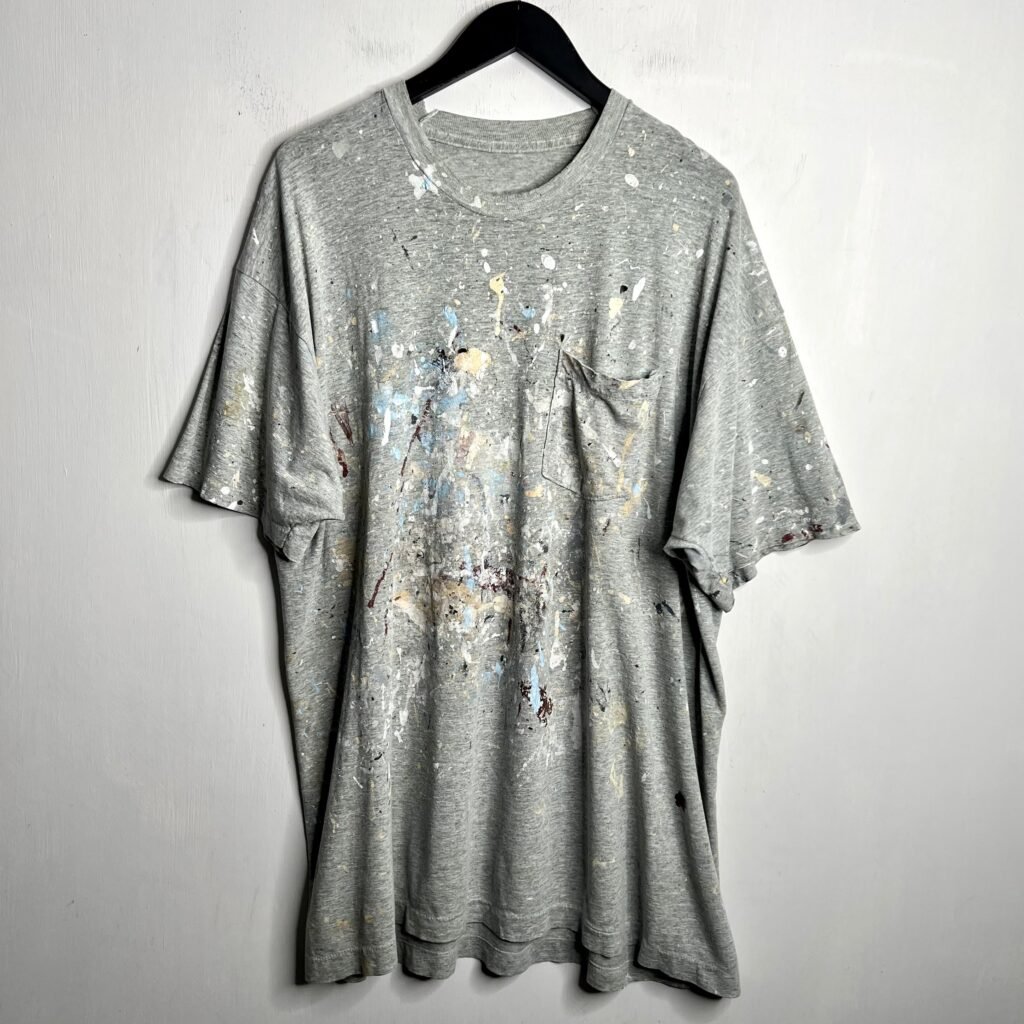
Learning how to remove paint from clothes without rubbing alcohol is easier than most people expect. Dish soap, laundry detergent, warm water, and a little patience can handle most latex and acrylic paint stains. Even dried paint often comes out with the right soak and a gentle scraping step first. Match the method to the paint type, and work from the outside in so you do not spread the stain.
Why Paint Stains Feel So Hard to Remove
Paint is designed to stick. Latex wall paint, acrylic craft paint, and oil-based enamel all contain pigments held together by a binder that hardens as the paint dries. On a shirt, that means the stain becomes a thin film bonded to the fibers. Water alone cannot dissolve that film once it has cured, which is why a quick rinse rarely helps. Soap breaks the bond between paint and fiber, warm water softens dried paint, and oxygen-based cleaners lift the color left after the bulk of the paint is gone.
Timing matters more than the product you choose. Wet paint is mostly pigment sitting on the surface, and much of it can be blotted away before it bonds. Paint that has dried for a few hours is harder but still workable if you rehydrate it. Paint that has been through a hot dryer is a different problem, because heat cures many paints the same way an oven cures a finish. That is why the most important rule here is simple: never put a garment in the dryer until the stain is fully gone. Check the fabric after washing, and treat it again if any color remains.
What You Need Before You Start
Gather your supplies before you touch the stain. You will need a dull knife or an old credit card for scraping, clean white cloths or paper towels, liquid dish soap, liquid laundry detergent, warm water, white vinegar, and baking soda, plus an old soft toothbrush. For tougher stains, keep an oxygen-based stain remover or glycerin nearby. Avoid colored towels for blotting, because their dye can transfer to a damp garment, and avoid abrasive scrub pads, which damage fibers and push paint deeper into the weave.
Before any cleaner touches the stained area, spot-test it on a hidden seam, an inside hem, or an inside pocket. Dab a small amount on the hidden spot, wait five minutes, and check for color change or damage. This takes almost no time and protects silk, wool, rayon, and brightly colored cotton from an unpleasant surprise. If it changes color or feels rough, choose a gentler method, such as plain dish soap and water.
Step 1: Identify the Type of Paint
The method that works depends on the kind of paint, so take a moment to figure it out. Latex paint, the water-based paint used on most interior walls, is the most common culprit. It feels slightly rubbery when dry, peels in thin flakes, and softens in warm soapy water. Acrylic paint, used for crafts, art classes, and school projects, behaves much the same way and responds to the same methods. Oil-based paint, found on trim, doors, and older furniture, feels harder and glossier when dry, smells strongly of chemicals, and needs an oil-based approach. If unsure, assume latex or acrylic and start with the gentlest method.
Check the paint can or project label if you still have it. Water-based paints usually say to clean brushes with soap and water, which is a clear sign that soap and water will work on your clothes too. Oil-based paints say to clean brushes with mineral spirits or paint thinner, which tells you the stain will resist water and need a solvent-based step. Without a label, test a corner with warm soapy water: softening paint is water-based, hard slick paint is oil-based.
Step 2: Remove Wet Paint First
If the paint is still wet, do not rub it. Rubbing pushes wet paint deeper into the fibers and spreads it across clean fabric, turning a small spot into a large one. Lay the garment flat with the stain facing up, and use a spoon, a dull knife, or a folded paper towel to lift off as much paint as you can. Work from the outside edge toward the center, lifting rather than dragging. Once the bulk is gone, blot the area with a clean white cloth dampened with warm water. Press straight down, lift, and refold the cloth to a clean section before pressing again. Keep blotting until no more color transfers, then move on to the dish soap method while the stain is still damp.
Method 1: Dish Soap and Warm Water for Latex and Acrylic Paint
Dish soap is the best first choice for water-based paint. Apply a generous drop of liquid dish soap directly onto the stain and work it in gently with your fingers or an old toothbrush. Work it in with small circular motions from the outer edge inward, and let it sit for ten to fifteen minutes. Then rinse under warm running water, holding the fabric so the water flows from the back of the stain toward the front. This pushes loosened paint out instead of driving it deeper. Repeat the soap and rinse cycle two or three times, checking after each round. Then wash the garment in the warmest water the care label allows.
Method 2: Laundry Detergent Soak for Dried Paint
Dried paint needs moisture before soap can work, so start with a soak. Fill a basin with warm water, add a generous squirt of liquid laundry detergent, and submerge the stained area completely. Let it soak for at least one hour, and for paint that has been dry for a day or more, leave it overnight. The warm water and detergent slowly rehydrate the paint film, making it soft and pliable again. After soaking, use a dull knife or an old credit card to scrape away loosened paint, working from the edge inward. Then apply dish soap to what remains, scrub lightly with a soft toothbrush, and rinse under warm water. Wash as usual and check before drying.
Method 3: White Vinegar and Baking Soda Paste
White vinegar softens dried paint, and baking soda adds gentle abrasion that lifts paint without tearing fibers. This combination works well as a second step when soap alone leaves a faint stain behind. Mix equal parts white vinegar and baking soda in a small bowl until it forms a thick paste, spread it over the stain, and let it sit for fifteen to twenty minutes. After it has sat, scrub gently with an old toothbrush, using small circles and light pressure. Rinse under warm water and check the result. If the stain has faded but not vanished, repeat once more before washing. Vinegar is safe for most cotton, denim, and polyester, but use it with care on silk and wool, and always spot-test first.
Method 4: Glycerin for Stubborn Dried Paint
Glycerin is a thick, clear liquid that softens dried paint without harsh chemical solvents. It is especially useful for paint that has been dry for several days and feels hard and crusty. Apply a generous amount to the stain, work it in with your fingers, and let it sit for at least an hour. Once the paint has softened, scrape away the loosened flakes with a dull knife, then treat the remaining stain with dish soap and warm water as described above. Glycerin is gentle enough for most fabrics, including cotton and blends, and it will not leave the treated area stiff.
Method 5: Oil-Based Approach for Oil Paint and Spray Paint
Oil-based paint and spray paint resist water, so they need an oil-based step before soap can finish the job. Start by scraping off as much dried paint as possible with a dull knife. Then apply a small amount of vegetable oil, baby oil, or a commercial citrus-based cleaner to the stain and work it in gently. The oil dissolves the binder in oil-based paint, and the stain will start to soften within ten to fifteen minutes. Blot away the dissolved paint with a clean white cloth. Once the paint has lifted, the fabric will feel oily, which is expected. Apply liquid dish soap directly to the oily area and work it in well, rinse under warm water, then wash in the warmest water the care label allows.
Method 6: Oxygen-Based Stain Remover for Leftover Color
Sometimes the paint is gone but a faint colored shadow remains, especially dark paint on light fabric. An oxygen-based stain remover, sold as a powder or liquid for laundry, is the right tool for that last trace of color. Mix it with warm water according to the package directions, soak the stained area for one to six hours, and then wash as usual. Oxygen cleaners work by breaking down the pigment molecules, and they are color-safe for most fabrics, unlike chlorine bleach, which can ruin colors and weaken fibers. Avoid chlorine bleach: it can ruin colors and weaken fibers.
How to Treat Different Fabrics
Cotton and denim are the most forgiving fabrics for paint removal. They can handle warm water, firm scrubbing with a soft brush, long soaks, and repeated soap treatments without damage. Polyester and other synthetics are also fairly sturdy, but they can distort under very hot water, so keep the water warm rather than boiling, and never press a hot iron over a stained area. Wool, silk, rayon, and other delicate fabrics need a gentler touch. Use cool or lukewarm water instead of hot, apply soap with your fingers rather than a brush, and never wring or twist the fabric. If the stain does not lift after two gentle treatments, take the garment to a professional dry cleaner. Leather, suede, and dry-clean-only items should go straight to a professional.
Mistakes That Make Paint Stains Permanent
The most common mistake is putting a stained garment in the dryer before the stain is fully gone. Heat sets paint the same way it sets a finish on furniture, and once paint has been heat-set, it may never come out completely. Always check the garment carefully before it goes into the dryer, and if you spot any remaining color, treat the stain again and wash it again. The second most common mistake is rubbing a wet stain instead of blotting it, which spreads paint and pushes it deeper into the fibers. Hot water can shrink wool or silk, and acetone can dissolve acetate or rayon fibers. Acetone can work on some sturdy cotton stains, but it is risky and must always be spot-tested. Finally, do not mix cleaners. Vinegar and bleach, for example, create harmful fumes when combined.
Quick Reference: Which Method for Which Paint
For fresh latex or acrylic paint, start with blotting, then dish soap and warm water. For dried latex or acrylic paint, soak in warm water and laundry detergent, scrape, then use dish soap. For a faint stain left behind after the paint is gone, use an oxygen-based stain remover. For oil-based paint, scrape, apply oil or a citrus cleaner, then wash with dish soap. For spray paint, scrape, use the oil method, and repeat the soap step two or three times. For delicate fabrics, use dish soap and glycerin only. When in doubt, start with the gentlest method and work your way up. The same patient thinking helps with other stubborn marks too. A coffee stain on carpet and a paint stain on a shirt both respond best to blotting first and a mild cleaner second. For more ideas, see the guide to removing turmeric stains from countertops.
FAQ
Can I remove dried paint from clothes without rubbing alcohol?
Yes. Soak the stained area in warm water and laundry detergent for at least an hour, scrape off the softened paint, then treat what remains with liquid dish soap and warm water. Repeat the soap step as needed.
Does dish soap really remove paint from clothes?
Yes. It breaks the bond between paint and fabric fibers, especially when left to sit for ten to fifteen minutes before rinsing.
How do I remove oil-based paint from clothes without rubbing alcohol?
Scrape off as much dried paint as you can, then apply vegetable oil or a citrus-based cleaner to soften the rest. Blot away the dissolved paint, apply dish soap to cut the oil, rinse, and wash in the warmest water the care label allows.
Can I use vinegar to remove paint from clothes?
Yes. White vinegar softens dried latex and acrylic paint, especially mixed with baking soda into a paste. Apply the paste, let it sit for fifteen to twenty minutes, scrub gently, and rinse. Spot-test on silk, wool, and bright colors first.
What should I do if the paint stain is still there after washing?
Do not put the garment in the dryer. Treat it again with dish soap or a longer soak, wash again, and check it in good light before drying. If two or three rounds fail, try glycerin or an oxygen-based stain remover, or visit a dry cleaner.
Is it safe to use nail polish remover on paint stains?
Acetone-based nail polish remover can dissolve some paint, but it is risky. It can damage acetate, rayon, and other synthetic fabrics, and it can remove dye from colored cotton. Spot-test on a hidden seam first, use it only on sturdy cotton, and wash the garment right away.
Removing paint from clothes without rubbing alcohol comes down to patience and the right order of steps: identify the paint, lift off what you can, soften what remains, and wash only after the stain is gone. Dish soap handles most fresh water-based paint, a detergent soak handles dried paint, and an oil-based step handles oil paint and spray paint. Spot-test every cleaner on a hidden seam, and never put a stained garment in the dryer until the color is fully gone. With those habits, most paint stains come out completely.










1 thought on “How to Remove Paint From Clothes Without Rubbing Alcohol”
Comments are closed.