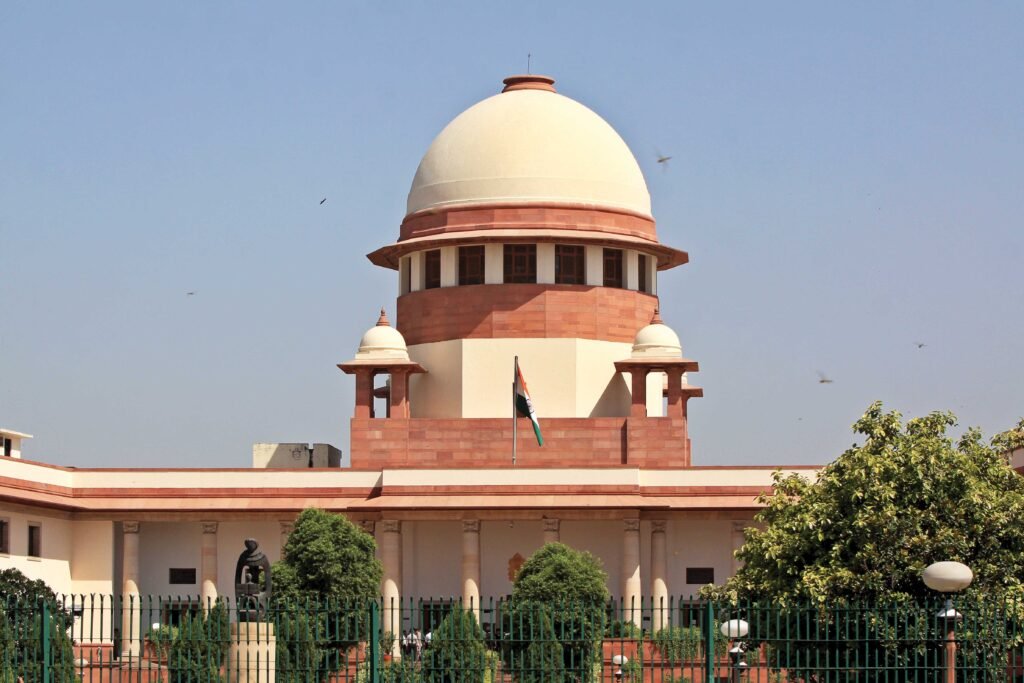
The Supreme Court has directed WhatsApp and other digital intermediaries to inform it of the measures they propose to undertake to prevent digital arrest scams and related cybercrimes. A bench comprising Chief Justice of India Surya Kant, Justice Joymalya Bagchi and Justice V Mohana issued the direction in the suo motu case on victims of digital arrest scams involving forged documents.
The platforms must also submit their proposals to the Indian Cyber Crime Coordination Centre (I4C), the national body coordinating the fight against online fraud. The matter will next be heard on November 23.
What is a digital arrest scam?
In a digital arrest scam, fraudsters impersonate police or investigation agency officers on video calls, display fake warrants and court documents, and place victims under continuous virtual surveillance, pressuring them to transfer money to avoid arrest. There is no legal procedure called digital arrest under Indian law, yet the elaborate performance has convinced even educated citizens to hand over large sums.
Reports cited in the proceedings put collective losses from such scams at more than Rs 3,000 crore across the country.
What WhatsApp told the court
Senior advocate Kapil Sibal, appearing for WhatsApp, told the bench the platform had already acted against around 9,400 accounts linked to digital arrest scams and impersonation of law enforcement agencies, and is developing software to identify suspicious accounts and warn users. An affidavit detailing the steps taken will follow.
Banks face compensation liability
The court’s strongest words were for banks. The bench has said banks should compensate victims where an investigation establishes the fraud occurred because the institution failed to exercise due diligence, and the Reserve Bank of India’s proposed KYC Amendment Directions, 2026 must require financial institutions to indemnify victims and pay compensation of not less than the amount lost. The directions are proposed to be notified by November 30 and operationalised by December 31.
The court also suggested practical safeguards, such as temporarily suspending unusual transactions, automatically informing the nearest police station, and physically verifying such transactions. Law enforcement agencies in every state and Union Territory must report the status of FIRs in digital arrest cases, and the RBI has been asked to list authorised financial institutions.
An Assam man was arrested in a Rs 34.33 crore investment scam in Arunachal Pradesh, and Manipur Police arrested 13 people in a Telegram crackdown, showing how enforcement agencies across the Northeast are being drawn into digital crime.
Anyone who receives such a video call demanding money to avoid arrest should disconnect immediately and report the number on the national cybercrime helpline 1930 or the portal cybercrime.gov.in.
#SupremeCourt #WhatsApp #DigitalArrest #Cybercrime #I4C #RBI #Banks #CyberFraud