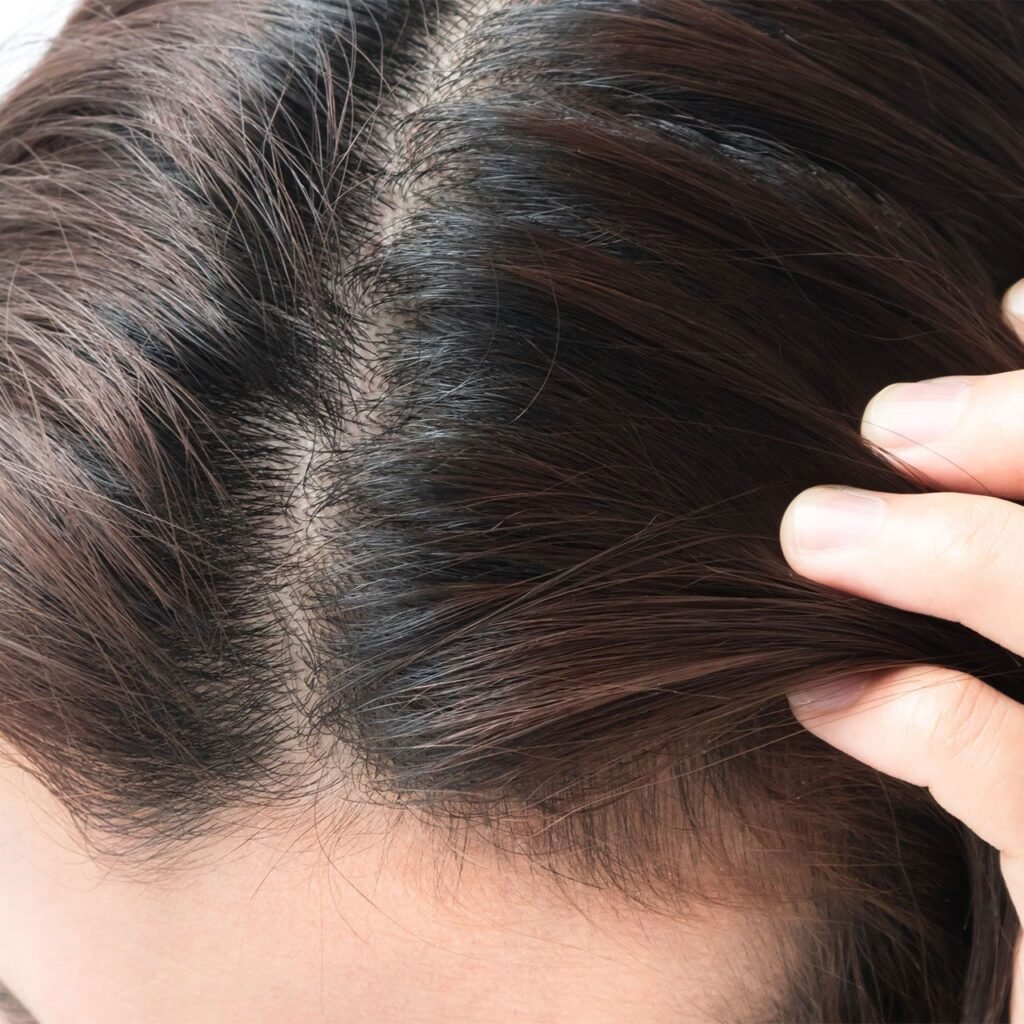
White flakes on a dark shirt, an itchy scalp that never seems to settle, and the constant worry that someone will notice. Dandruff is one of the most common hair problems in the world, and it can be embarrassing even though it is almost never a sign of poor hygiene. Learning how to get rid of dandruff without medicated shampoo is a smart first step for anyone who wants a gentler approach, whether medicated products irritate your skin, dry out your hair, or simply do not fit your budget. The good news is that many people can control flakes with simple washing habits, natural rinses, and a little scalp care, without ever opening a bottle of medicated shampoo. This article is for informational purposes only and is not medical/financial advice. Consult a qualified professional.
This guide explains what causes dandruff and walks through the most effective drug-free methods step by step, so you can combine them into a simple weekly routine. You will also learn the common mistakes that make flakes worse, and when it is time to talk to a doctor or dermatologist instead of treating the problem at home.
What Causes Dandruff in the First Place
Dandruff happens when the skin on your scalp sheds faster than usual. Everyone sheds dead skin cells, but in a healthy scalp the process is slow and the flakes are too small to see. With dandruff, the shedding speeds up and the flakes clump together into visible white or yellowish pieces. Several factors can trigger this, and knowing which one applies to you makes the fix much easier.
The most common cause is a naturally occurring yeast that lives on everyone’s scalp. When it grows out of balance, often because of extra oil, it irritates the skin and speeds up shedding. Dry skin is another major trigger, especially in cold weather or dry heated air. Oily skin can cause it too, since oil feeds the yeast and traps dead skin. Dandruff is not contagious, and it is not caused by dirty hair, although washing too rarely can let oil and dead skin build up and make flakes more noticeable.
It helps to tell dry flakes from oily ones. Dry scalp flakes are usually small, white, and dry, and you may notice dry skin elsewhere too. Oily dandruff flakes tend to be larger, yellowish, and slightly greasy, with the scalp feeling oily a day after washing. Many methods below work for both types, but a few suit one better, so pay attention to what your scalp tells you.
1. Wash Smarter, Not Harder
The foundation of dandruff control is washing your hair the right way. Many people wash either too rarely, which lets oil and dead skin accumulate, or too aggressively, which strips the scalp and triggers more oil production or more dryness. Finding the middle ground matters more than the shampoo you use.
Most people with dandruff do best washing every other day, or daily if the scalp is very oily. Use lukewarm water rather than hot, which strips natural oils and irritates the scalp. Take a small amount of gentle, fragrance-free shampoo and work it into the scalp with your fingertips, not your nails, massaging in small circles for a full minute or two. This loosens flakes so they rinse away instead of staying trapped. Rinse thoroughly, since leftover shampoo can irritate the skin and create buildup that looks like dandruff, and rinse styling products out completely at the end of the day.
Avoid scrubbing hard or washing three times in a row. Over-washing can dry the scalp and trigger extra oil production. If your hair feels squeaky clean and your scalp feels tight after washing, you are being too harsh. Switch to a milder shampoo, wash less often, and let the scalp recover for a few days before judging the result.
2. Try an Apple Cider Vinegar Rinse
Apple cider vinegar is one of the most popular natural dandruff remedies, and there is a good reason for it. Vinegar is mildly acidic, and the scalp’s natural surface is slightly acidic too. A diluted vinegar rinse can help restore that balance, discourage excess yeast growth, and dissolve the buildup that traps flakes against the skin.
To make a rinse, mix one part apple cider vinegar with one part cool water. After shampooing, pour it slowly over your scalp, massage gently, and let it sit for two to three minutes before rinsing with plain water. The vinegar smell fades quickly as hair dries. Start once a week, increasing to twice a week if your scalp tolerates it. If you have cuts or a very sensitive scalp, dilute further, one part vinegar to three parts water, or skip this method until the skin heals. Never apply undiluted vinegar directly to the scalp.
3. Use Diluted Tea Tree Oil
Tea tree oil is a natural plant oil with antifungal and antimicrobial properties, and it is one of the few home remedies with real research behind it for dandruff. It works by reducing the yeast population on the scalp and calming the irritation that drives flaking. The key word is diluted: pure tea tree oil is strong and can irritate the skin badly if used straight.
Add two to three drops of tea tree oil to a tablespoon of a carrier oil such as coconut, jojoba, or olive oil. Massage it into your scalp, leave it on for 15 to 20 minutes, then wash it out with a gentle shampoo. You can also add a few drops per ounce to your regular shampoo bottle. Use it once or twice a week. Before the first use, do a patch test on the inside of your elbow and wait a day; if the skin turns red or itchy, do not use it on your scalp. If you are pregnant or allergic to plants in the same family, check with a healthcare professional first.
4. Soothe the Scalp With Aloe Vera
Aloe vera gel is cooling, moisturizing, and mildly antimicrobial, which makes it a good option for a dry, itchy, flaky scalp. It helps hydrate the skin, reduces itching, and can calm the redness that often comes with dandruff. It is especially useful for people whose flakes come from dryness rather than oiliness.
Use pure aloe vera gel, either from a fresh leaf or a bottle that lists aloe as the main ingredient with no added fragrance or alcohol. Apply it to the scalp, massage it in, and leave it on for 20 to 30 minutes before washing it out. You can also use a thin layer as a leave-in after washing, though this works best on days when you are staying home. Repeat two or three times a week. Aloe is very gentle and suits most people, but stop using it if irritation appears.
5. Try a Coconut Oil Scalp Treatment
Coconut oil is rich in fatty acids that moisturize the scalp and may help reduce the yeast linked to dandruff. A warm oil treatment can soften flakes so they lift away during washing, and it leaves the scalp feeling less dry and tight. This method suits dry scalps best, and people with very oily scalps should use it sparingly or skip it.
Warm two to three tablespoons of coconut oil until liquid and comfortably warm, never hot. Part your hair in sections and massage the oil into the scalp. Leave it on for 30 minutes, or overnight if you cover your pillow with an old towel, then wash it out, shampooing twice if needed to remove all the oil. Repeat once a week. If coconut oil feels too heavy, jojoba oil is a lighter alternative that closely resembles the scalp’s own oil. For more ideas on keeping hair healthy between washes, our guide on how to get rid of static in hair without hairspray covers gentle, product-free ways to manage hair that misbehaves.
6. Use a Gentle Baking Soda Scrub
Baking soda is a mild exfoliant that can help lift dead skin and flakes from the scalp. It also helps remove product buildup, which can trap flakes and feed yeast. Used gently and sparingly, it can leave the scalp feeling cleaner and less itchy.
Mix one tablespoon of baking soda with enough water to form a thin paste. Apply it to a wet scalp, massage very gently for a minute, and rinse thoroughly. Follow with conditioner on the hair lengths, not the scalp, to avoid dryness. Use this scrub no more than once a week, since baking soda is alkaline and overuse can dry the scalp out. Skip it if your scalp is cracked, sore, or very sensitive, and never use it on the same day as a vinegar rinse.
7. Support Your Scalp From the Inside
What you eat and drink shows up on your scalp. Diets low in zinc, B vitamins, and healthy fats are linked to more flaking, while a balanced diet supports normal skin turnover. You do not need supplements or a special diet, but a few simple food habits can make a real difference over several weeks.
Include foods rich in zinc, such as chickpeas, lentils, pumpkin seeds, and whole grains. Eat sources of omega-3 fats, like walnuts, flaxseed, and fatty fish if you eat fish. B vitamins come from eggs, dairy, leafy greens, and whole grains. Drink enough water through the day, since dehydration dries the skin everywhere, including the scalp. Cutting back on very sugary foods and alcohol may also help, because excess sugar can feed the yeast that contributes to dandruff. These changes work slowly, so give them a month before deciding whether they helped.
8. Keep Brushes, Pillowcases, and Hats Clean
Your scalp touches more surfaces than you realize, and each one can carry oil, dead skin, and yeast back onto a clean scalp. A dirty hairbrush is one of the most common culprits: it collects oil, product residue, and flakes, then redistributes them every time you brush. Clean your brush and comb once a week by removing trapped hair and soaking them in warm water with a drop of mild shampoo, then rinsing and drying fully.
Change your pillowcase at least once a week, more often if your scalp is oily. Oil and flakes transfer to the fabric overnight and return to your skin the next night. If you wear hats or head coverings regularly, wash them often, and avoid tight hats for long periods on hot days, since trapped heat and sweat create a damp environment where yeast thrives. Avoid sharing brushes, hats, or hair accessories with other people.
9. Manage Stress and Sleep
Stress does not cause dandruff on its own, but it can make existing dandruff much worse. Stress hormones increase oil production and weaken the skin’s defenses, which gives yeast more room to grow. Many people notice flakes flare up during exams, work deadlines, or difficult periods. Anything that lowers stress helps: regular exercise, a consistent sleep schedule, time outdoors, and simple breathing exercises all count.
Sleep matters too. Your skin repairs itself overnight, and poor sleep disrupts that process. Aim for a regular bedtime and a dark, cool bedroom. Even a short daily walk can reduce stress hormones enough to make a visible difference in your scalp over a few weeks. Think of stress management as part of your dandruff routine, not a separate luxury.
Mistakes That Make Dandruff Worse
A few common habits quietly sabotage dandruff control. Washing with very hot water strips the scalp and triggers extra oil. Using too much styling product, especially heavy gels and sprays applied at the roots, traps flakes and feeds yeast. Scratching an itchy scalp with fingernails breaks the skin, which can lead to soreness and even infection, so massage instead of scratching. Switching products every few days is another mistake: natural methods need two to three weeks of consistent use before you can judge them. Finally, ignoring the problem for months lets buildup harden into thick, stubborn flakes that are harder to clear.
When to See a Doctor
Most dandruff responds to the gentle methods above, but some situations need professional care. See a doctor or dermatologist if flakes do not improve after three to four weeks of consistent home treatment, if the scalp becomes very red, swollen, sore, or starts to bleed, if you notice yellow crusts, hair loss, or thick scaling, or if itching disrupts your sleep. These can be signs of a different condition, such as seborrheic dermatitis, psoriasis, or a fungal infection. Do not try to diagnose these yourself. This article is for informational purposes only and is not medical/financial advice. Consult a qualified professional. For a broader look at gentle, drug-free approaches, see our earlier guide on how to get rid of dandruff without dandruff shampoo, which covers twelve additional tips.
A Simple Weekly Routine That Works
Putting the methods together into a routine is easier than trying them all at once. Wash every other day with a gentle shampoo and lukewarm water, massaging the scalp for a full minute. Once a week, use either the apple cider vinegar rinse or the tea tree oil treatment, not both on the same day. Once a week, apply aloe vera or a coconut oil treatment before washing, depending on whether your scalp is dry or oily. Clean your brush and change your pillowcase weekly, eat a balanced diet, drink enough water, and keep stress in check. Track flakes with a quick phone photo once a week. Most people notice less itching within the first week and visibly fewer flakes within three to four weeks.
Frequently Asked Questions
Can dandruff go away permanently without medicated shampoo?
For many people, yes, flakes can be kept under control long term with gentle washing, scalp care, and healthy habits. Dandruff tends to come and go with the seasons and stress levels, so think of it as a condition to manage rather than cure once and forget. Consistent care usually keeps it from returning.
How often should I wash my hair if I have dandruff?
Most people do best washing every other day, or daily if the scalp is very oily. Washing too rarely lets oil and dead skin build up, while washing too aggressively strips the scalp. Lukewarm water and a gentle shampoo matter more than the exact schedule.
Is apple cider vinegar safe for the scalp?
Diluted apple cider vinegar is safe for most people when used once or twice a week. Always mix it with water, never apply it undiluted, and skip it if your scalp has cuts, sores, or severe irritation. Stop using it if you notice redness or a burning feeling.
Does dandruff mean my hair is dirty?
No. Dandruff is caused by fast skin shedding, yeast imbalance, dryness, or oiliness, not by dirty hair. People with excellent hygiene get dandruff too. Washing too rarely can make flakes more visible, but washing alone does not cause or cure the underlying problem.
Can stress really make dandruff worse?
Yes. Stress hormones increase oil production and weaken the skin barrier, which can trigger or worsen flakes. Many people notice flare-ups during stressful periods. Regular sleep, exercise, and relaxation help keep dandruff under control alongside scalp care.
When should I stop home treatment and see a doctor?
See a doctor if flakes do not improve after three to four weeks of consistent home care, or sooner if the scalp becomes red, swollen, sore, or starts bleeding, if you notice hair loss or thick yellow crusts, or if itching disrupts your sleep. These signs may point to a condition that needs different treatment.