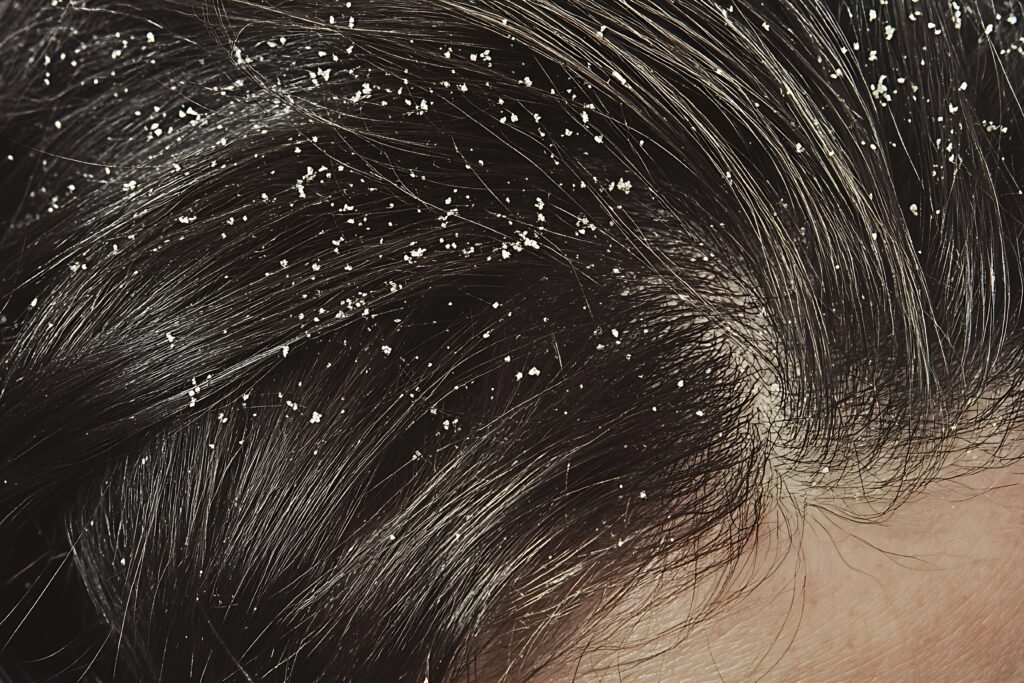
Dandruff is embarrassing, itchy, and stubborn — but you do not need a medicated shampoo to deal with it. Many people want to know how to get rid of dandruff without dandruff shampoo, either because they prefer natural approaches, their scalp is sensitive to active ingredients, or the medicated formulas dry their hair out. The truth is that dandruff responds to scalp care fundamentals: managing oil, balancing moisture, and keeping the scalp’s natural ecosystem healthy. Here are twelve practical methods that work without any anti-dandruff shampoo.
This article is for informational purposes only and is not medical advice. Consult a qualified professional.
First, Understand What Causes Your Flakes
Dandruff is not caused by poor hygiene. The most common driver is an overgrowth of a normal scalp yeast (Malassezia) that feeds on natural oils, triggering faster skin shedding. Dry skin in winter, infrequent or overly frequent washing, harsh styling products, and stress can all make it worse. Oily, yellowish flakes point toward oil imbalance; dry, small white flakes suggest a dry scalp. The methods below address both, but pay attention to which type matches yours.
Natural Treatments That Calm a Flaky Scalp
1. Apple cider vinegar rinse
Dilute one part raw apple cider vinegar with four parts water, pour it over your scalp after shampooing with your regular shampoo, massage gently, and rinse. The mild acidity helps rebalance scalp pH and makes the scalp environment less friendly to flake-causing yeast. Use once or twice a week. Always dilute — undiluted vinegar can irritate the scalp.
2. Aloe vera gel massage
Massage pure aloe vera gel directly onto the scalp, leave for 20 to 30 minutes, then wash out with regular shampoo. Aloe is naturally anti-inflammatory and soothing, which helps with both flaking and itching. It is one of the gentlest options and suits sensitive scalps well.
3. Coconut oil pre-wash treatment
Warm a tablespoon of coconut oil, massage it into the scalp, and leave it on for at least 30 minutes (or overnight) before washing. The oil loosens flakes so they rinse away instead of clinging, while moisturizing a dry scalp. This works best for dry-skin dandruff; if your scalp is very oily, use it sparingly and shampoo thoroughly.
4. Tea tree oil scalp drops
Mix 5 to 8 drops of tea tree essential oil into a tablespoon of a carrier oil (jojoba, almond, or coconut) and massage into the scalp before washing. Tea tree has well-documented antimicrobial properties. Never apply essential oils undiluted — they can burn and sensitize the scalp.
5. Baking soda exfoliation
Once a week, wet your hair and gently rub a tablespoon of baking soda into the scalp, then rinse without shampooing immediately after. It acts as a mild exfoliant that lifts dead skin and absorbs excess oil. Follow with your normal conditioner. Do not overuse this one — frequent use can dry the scalp and backfire.
Washing Habits That Prevent Flakes
Wash often enough — but not too often
Under-washing lets oil and dead skin build up, feeding the yeast behind dandruff. Over-washing strips protective oils and dries the scalp out. For most people, washing every two to three days hits the sweet spot. Adjust based on your scalp: oily scalps may need more frequent washing, dry scalps less.
Use lukewarm water, not hot
Hot water strips the scalp’s natural oils and triggers dryness and flaking. Lukewarm water cleans just as well without the drying effect. Finish with a cool rinse to calm the scalp.
Shampoo the scalp, not the hair
Focus your fingertips (never nails) on massaging the scalp for 60 to 90 seconds. The lather running down the lengths during rinsing is enough to clean the hair. Over-scrubbing the hair shaft with shampoo creates dryness and tangles that tempt you to overwash.
Rinse thoroughly
Leftover shampoo and conditioner residue irritate the scalp and cause buildup that mimics dandruff. Rinse for at least 30 seconds longer than you think you need. Double-rinse if you use heavy styling products.
Skip harsh fragrances and heavy styling products
Many gels, waxes, and sprays contain alcohols and fragrances that irritate the scalp or leave residue. If you use styling products, apply them to the hair lengths and keep them off the scalp.
Lifestyle Habits That Support a Healthy Scalp
Manage stress
Stress worsens many skin conditions, including dandruff, by disrupting the immune balance. Even simple daily habits — a short walk, regular sleep, a few minutes of downtime — can calm both your mind and your scalp over time.
Eat for scalp health
While no single food cures dandruff, diets rich in omega-3 fatty acids (salmon, walnuts, flaxseed), zinc (pumpkin seeds, chickpeas), and B vitamins support healthy skin turnover. Excess sugar and very greasy foods are linked to worse flaking for some people. A balanced diet supports the scalp from the inside.
Brush regularly with a clean brush
A soft boar-bristle or paddle brush distributes natural oils from the scalp down the hair shaft, preventing oil from pooling at the scalp where it feeds flakes. Wash your brush weekly with warm soapy water — a dirty brush reintroduces buildup to a clean scalp.
Keep pillowcases and hats clean
Your pillowcase collects oil, sweat, and product residue that re-contaminate your scalp every night. Wash pillowcases weekly and avoid wearing tight, unventilated hats for long stretches, which trap moisture and heat.
Get some sunlight (in moderation)
Brief, sensible sun exposure helps some people’s dandruff, likely through mild antimicrobial and immune effects. Ten to fifteen minutes a few times a week is plenty — sunburn on the scalp will make things worse, not better.
Pros and Cons of Going Shampoo-Free vs. Regular Shampoo
- Skipping dandruff shampoo entirely (natural-only route): Pros — gentler on hair, no chemical dryness, lower cost. Cons — may be slower to show results for stubborn cases; requires consistent habit changes.
- Using regular (non-medicated) shampoo + natural treatments: Pros — keeps hair feeling clean while scalp treatments do the work. Cons — some regular shampoos contain sulfates that dry sensitive scalps; pick a gentle, sulfate-free formula if irritation is an issue.
- Occasional medicated shampoo use: Pros — fastest relief during bad flare-ups. Cons — can cause dryness, color fading, and dependency if overused. Many people use it as a rescue option, not a daily habit.
Common Mistakes That Make Dandruff Worse
- Scratching aggressively: Scratching damages the scalp, increases inflammation, and can introduce infection. Press or tap the itch instead, or use a soothing scalp oil.
- Using undiluted essential oils or vinegar: Concentrated acids and oils burn and sensitize the scalp. Always dilute.
- Switching products every few days: Scalp treatments need two to four weeks of consistent use before you can judge them. Constant switching keeps resetting progress.
- Confusing buildup with dandruff: Product buildup looks like flakes but sits on the hair rather than shedding from the scalp. A clarifying wash once a month (followed by conditioner) separates the two issues.
- Ignoring persistent, severe symptoms: If flakes are thick, yellow, greasy, or accompanied by redness, swelling, or hair loss, it may be something beyond ordinary dandruff — such as seborrheic dermatitis, psoriasis, or eczema. A qualified professional can diagnose and advise properly.
- Using someone else’s prescription products: Prescription scalp treatments are prescribed for a specific condition. Borrowed treatments can irritate or worsen an undiagnosed scalp issue.
Frequently Asked Questions
Can I really get rid of dandruff without dandruff shampoo?
Yes — many people manage dandruff successfully through washing habits, natural scalp treatments, and lifestyle adjustments alone. Medicated shampoos are a tool, not a requirement. Consistency matters more than any single product.
How long before natural remedies work?
Expect two to four weeks of consistent use before judging any natural method. The scalp’s skin cycle takes time, so early results are subtle. If nothing improves after a month of steady effort, consider a professional evaluation.
Does dandruff mean my hair is dirty?
No. Dandruff is driven by oil balance, scalp microbes, and skin turnover — not hygiene. Overwashing can actually make it worse. Focus on washing the right amount for your scalp type, not the maximum amount.
Why is dandruff worse in winter?
Cold air holds less moisture, indoor heating dries the skin, and hot showers strip oils — all of which dry the scalp and increase flaking. Winter is also when people wash less and wear hats more. Counter it with lukewarm water, a humidifier, and extra scalp moisture.
Can diet cause dandruff?
Diet is rarely the sole cause, but it influences scalp health. Very sugary or greasy diets worsen flaking for some people, while omega-3s, zinc, and B vitamins support healthy skin. Think of diet as one lever among several, not the whole answer.
When should I see a dermatologist?
See a professional if flakes are thick, yellowish, or greasy, the scalp is red, swollen, or painful, you are losing hair, or over-the-counter and natural approaches have not helped after about a month. These signs can indicate conditions that need proper diagnosis.