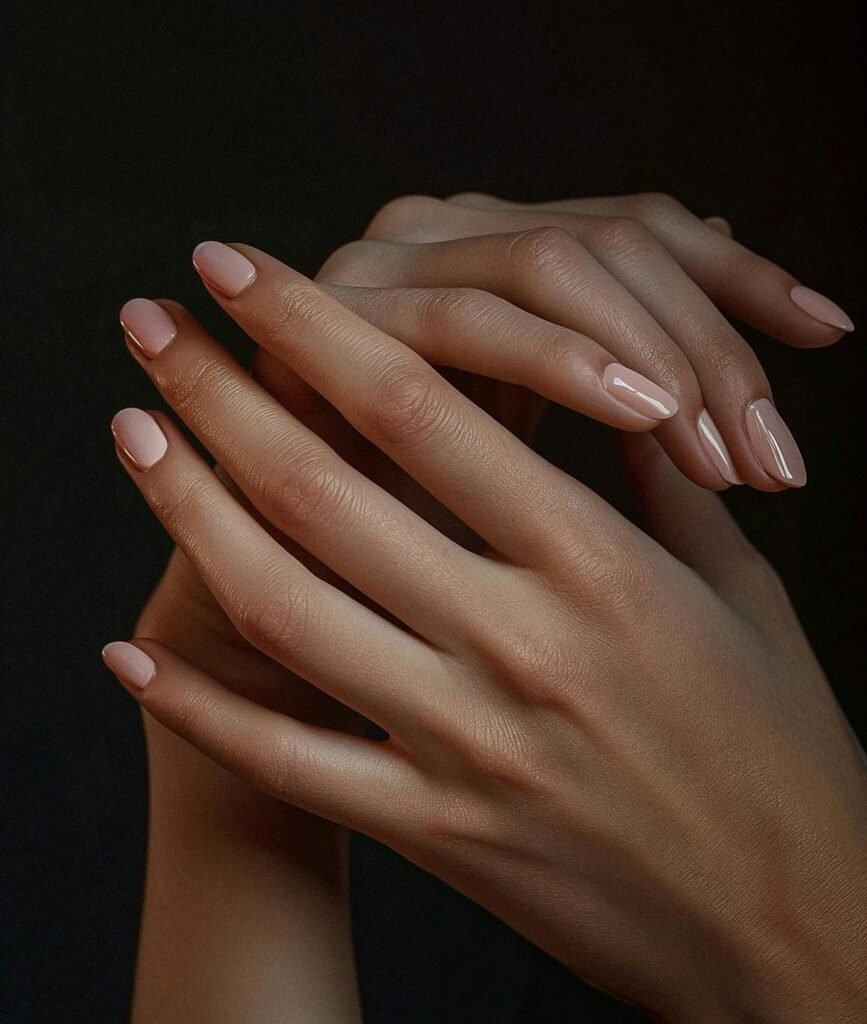
Figuring out how to stop biting your nails without bitter polish is a goal for millions of people who have tried the bad-tasting coatings, hated them, and gone right back to biting. Nail biting is one of the most common everyday habits, and it is also one of the most stubborn. It often happens without conscious thought — during a boring meeting, while watching television, or in a moment of stress. The good news is that you do not need bitter polish to quit. With the right mix of awareness, replacement habits, and nail care, most people can break the cycle for good. This guide walks you through practical, proven strategies that work in real life, not just in theory.
Why You Bite Your Nails in the First Place
Nail biting usually starts in childhood and continues because it serves a purpose, even if that purpose is not obvious. For many people, it is a way to manage stress, boredom, or anxiety. The repetitive motion is soothing, and the small sense of fixing a rough edge feels satisfying. For others, it is pure habit — something the hands do on autopilot while the mind is elsewhere. Some people bite when they are concentrating hard, others when they are nervous before a big event, and many do it while doing nothing at all.
Understanding your own triggers is the foundation of quitting. A habit you do not notice is a habit you cannot change. Before you try any technique, spend a few days simply observing yourself. Notice when your hand goes to your mouth. Are you stressed, bored, tired, or anxious? Are you watching a screen, sitting in traffic, or reading? The patterns you find will tell you exactly where to focus your effort, and they make every strategy that follows far more effective.
Common Triggers to Watch For
Stress and worry are the most common triggers, especially before deadlines, social events, or difficult conversations. Boredom is another big one — idle hands find their way to the mouth when there is nothing else to do. Perfectionism plays a role too: many nail biters start by picking at a tiny snag and end up biting the whole nail while trying to make it even. Keep a simple note on your phone for a few days: each time you catch yourself biting, jot down what you were doing and how you felt. Within a week, a clear picture usually emerges.
Build Awareness First
Most nail biting happens unconsciously, so the first step is to make the habit visible to yourself. A simple awareness exercise can cut biting dramatically on its own. Set a phone reminder every hour to check your hands. Each time it goes off, look at your nails and ask yourself: have I bitten them since the last check? Over time, this builds a habit of noticing, and noticing is what gives you a chance to stop.
Another useful trick is to keep a small tally on a card in your pocket, marking each time you catch yourself biting. The point is not punishment — it is attention. Many people are surprised to find they bite far more often than they thought, often dozens of times a day. That awareness alone is progress.
Try also to notice the moment just before you bite. There is usually a tiny warning sign: a hand lifting, a finger touching a lip, a rough nail edge catching your attention. If you can catch yourself at that moment, you can choose a different action. This is the core skill behind quitting, and it improves with practice.
Replace the Habit, Don’t Just Fight It
Willpower alone rarely works against a habit, because willpower runs out and the habit does not. The most effective approach is to replace nail biting with a competing behavior — something you do with your hands instead, at the exact moment you would normally bite. This technique is called habit reversal, and it is one of the most studied methods for breaking repetitive habits.
Choose Your Replacement Action
Pick a simple, discreet action you can do anywhere. Good options include pressing your fingertips together firmly for a few seconds, squeezing a small stress ball, holding a smooth stone or fidget tool, clenching and releasing your fists, or chewing sugar-free gum. The replacement should use your hands or mouth in a way that makes biting impossible at the same time. Try a few options and keep the one that feels most natural to you.
Use It Every Single Time
The rule is simple: every time you catch yourself about to bite, or you notice your hand moving toward your mouth, do the replacement action instead, for at least thirty seconds. Do it consistently, even when it feels silly. The repetition is what rewires the habit. Most people find the first week is the hardest, and then the replacement starts to become automatic. Keep a stress ball or fidget tool in the places you bite most — your desk, your car, your bedside table, your bag — so the replacement is always within reach.
Manage the Moments That Trigger You
Once you know your triggers, you can plan for them. If boredom is a trigger, keep your hands busy during idle moments: a puzzle, a craft, a stress ball, or even doodling. If stress is the trigger, build a small calming routine for tense moments — slow breathing, a short walk, or a glass of water before you reach for your nails. If you bite while watching television, keep a fidget tool by the couch. The goal is not to remove every trigger from your life, which is impossible, but to have a plan ready for each one.
Make Your Nails Worth Protecting
People protect things they value, and nails you have invested in are much harder to bite. A simple nail care routine changes the equation: instead of biting to fix a rough edge, you file it. Instead of tearing at a hangnail, you trim it cleanly. Keeping your nails short, smooth, and tidy removes many of the imperfections that invite biting in the first place.
A Simple Daily Routine
Keep a nail file and a small pair of clippers where you spend the most time. Each evening, take two minutes to file any rough edges and push back your cuticles gently with a towel after a shower. Apply a plain moisturizer or cuticle oil to keep the skin around your nails soft, because dry, peeling skin is a common trigger for picking and biting. If you notice a snag during the day, file it smooth right away instead of biting it off.
Try a Manicure as a Milestone
A professional manicure, or a careful at-home one, can be a powerful motivator. When your nails look good, biting them feels like ruining something you paid for or worked on. Some people find that a clear coat of regular nail polish helps too — not a bitter formula, just a smooth, shiny layer that makes the nails feel different and reminds you to keep your hands away from your mouth. If you enjoy color, a bright polish can be an even stronger deterrent, because the damage is visible immediately.
Care for the Skin Around Your Nails
Biting often spreads to the skin around the nails, so care for that area too. Moisturize your hands regularly, especially in dry weather. Trim hangnails cleanly with clippers rather than tearing them. If the skin around your nails is sore, red, or swollen, give it time to heal and keep the area clean. Avoid picking at healing skin, which restarts the cycle. Healthy skin is less tempting to pick at, and it heals faster when it is moisturized and left alone.
Use Visual Reminders and Small Rewards
Motivation fades, so build systems that keep you going. Take a photo of your nails on day one, and take another photo each week. The visible progress is surprisingly motivating, especially once the white tips start to grow back. Many people find that the photos become the reason they keep going on hard days.
Set small, achievable goals rather than one huge one: one bite-free day, then three, then a full week. Celebrate each milestone with a small reward — a favorite coffee, a movie night, a new book. A single slip does not erase your progress. If you bite one nail, the goal is to stop there, not to give up for the day. Most people who quit successfully slipped several times along the way.
It can also help to tell one trusted person about your goal. A partner, friend, or family member can offer gentle reminders and encouragement. Agree on how they should remind you — a quiet word, not a scolding — so the reminder feels supportive rather than annoying. Accountability works best when it feels kind.
Handle Stress Without Your Nails
Because stress is such a common trigger, building better stress habits makes quitting much easier. You do not need a complicated routine. Simple, everyday practices make a real difference: regular physical activity, even a short walk, lowers tension and gives your hands something to do. Slow, deep breathing for a minute before a stressful moment can break the automatic reach for your nails. Getting enough sleep matters too, because tired people have less self-control and bite more often.
It also helps to notice what stress feels like in your body before it reaches your hands. Tight shoulders, a clenched jaw, or a restless feeling are early warnings. When you notice them, pause: stand up, stretch, drink some water, and do your replacement action. Over time, this pause becomes a new habit. For more ideas on easing tension, see our guide on how to get rid of a headache without medicine fast, which covers simple relaxation techniques that work for everyday stress as well.
Mistakes to Avoid When Quitting
The biggest mistake is relying on shame or self-criticism. Telling yourself you are disgusting or weak does not stop a habit — it adds stress, and stress is a trigger for biting. Treat yourself with the same patience you would offer a friend who was trying to quit. The second mistake is trying to quit everything at once. If you also bite the skin around your nails, pick one habit to tackle first. Success with one builds confidence for the next.
Another mistake is keeping your nails too long while you are trying to quit. Long nails give you more to bite and more edges to catch on. Keep them short and smooth during the first few weeks. Also avoid keeping your hands idle in high-risk situations. If you always bite while reading, hold a pen or a stress ball while you read. Finally, do not assume that one method will work perfectly. Most people need a combination — awareness, a replacement habit, nail care, and stress management together. If one technique does not help, try another rather than giving up entirely.
What to Expect as Your Nails Grow Back
As you stop biting, your nails will grow back gradually. At first they may look uneven, because different nails recover at different rates. This is normal. Keep them filed short and even while they grow, and resist the urge to bite the uneven edges back into shape. Within a few weeks, the nail beds start to look healthier and the white tips become visible.
You may also notice that your nails feel strange or sensitive as they grow, especially if you have bitten them for years. This sensitivity fades as the nail bed recovers. Some people find that their nails are softer at first and break easily. Keeping them short and moisturized helps while they strengthen. Be patient with this stage. The awkward middle phase is a sign of healing, not a reason to give up.
Keep in mind that breaking a long-standing habit takes time. Many people need several weeks of consistent effort before the urge fades, and occasional urges can return during stressful periods even months later. That is normal, and it does not mean you have failed. The replacement habits and nail care routines you built will still be there to help you through those moments.
This article is for informational purposes only and is not medical advice. Consult a qualified professional. If your nail biting is severe, causes frequent infections or bleeding, or feels impossible to control despite your best efforts, consider speaking with a healthcare professional or a therapist experienced in habit disorders. There are structured programs that can help, and reaching out is a practical step, not a sign of weakness. Your nails and your health are worth the effort, and with patience and the right strategies, you can leave this habit behind for good.
Frequently Asked Questions
How long does it take to stop biting your nails?
Most people need several weeks of consistent effort before the urge fades noticeably, and nails take a few weeks to show visible regrowth. The exact timeline varies, but steady progress with a replacement habit and regular nail care usually brings real change within a month or two.
Does bitter polish work for nail biting?
It works for some people, but many find the taste unpleasant and stop using it, or simply get used to it. The strategies in this guide — awareness, habit replacement, and nail care — address the root of the habit rather than relying on a bad taste, which is why they tend to last longer.
Why do I bite my nails when I am not stressed?
Boredom, concentration, and pure habit are common triggers too. Many people bite while watching television, reading, or sitting idle. Keeping your hands busy with a fidget tool or another activity during these moments is often the most effective fix.
Is nail biting bad for your health?
Frequent biting can damage nails, irritate the surrounding skin, and increase the chance of infections around the nail bed. It can also transfer germs from your hands to your mouth. Keeping nails clean, moisturized, and intact reduces these risks, and persistent skin problems are worth discussing with a healthcare professional.
What is the best replacement for nail biting?
The best replacement is one you will actually use every time: squeezing a stress ball, pressing your fingertips together, chewing sugar-free gum, or holding a fidget tool. Try a few options and keep the one that feels most natural, and keep it within reach in the places you bite most.
What should I do if I slip and bite my nails again?
Treat it as a single slip, not a failure. Stop, file any rough edges smooth, do your replacement action, and keep going. Most people who quit successfully slipped several times along the way. What matters is that you return to the plan right away instead of giving up for the day.