
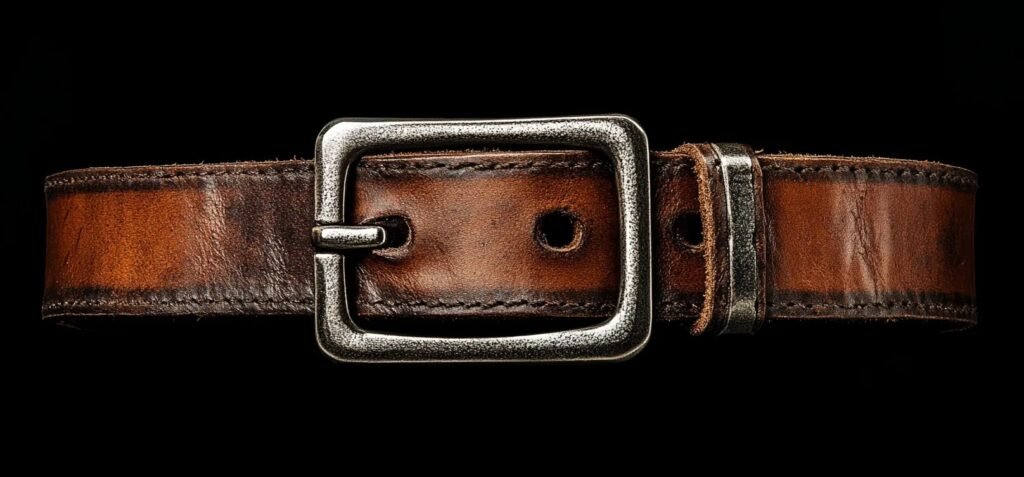
A squeaky belt is a small annoyance with an outsized effect. Every step you take announces itself with a faint creak, and in a quiet office, classroom, or meeting room, that noise feels impossible to ignore. If you have ever wondered how to stop a belt from squeaking without replacing it, the good news is that most belt squeaks have simple causes and even simpler fixes. A little conditioning, a buckle adjustment, or a dab of the right product is usually all it takes to silence the noise for good.
Belt squeaks come from friction: two surfaces rubbing together as you move. The usual suspects are dry leather, a buckle rubbing against the strap, a stiff belt loop, or a belt that is slightly too tight or too loose. Finding the exact source is the first step, because the right fix depends on where the noise is coming from. Work through the causes below one at a time, and you will almost always find the culprit.
Find Where the Squeak Is Coming From
Before you apply anything to the belt, take a minute to locate the noise. Put the belt on, walk around, and listen carefully. Then take it off and flex it slowly in your hands, bending different sections and moving the buckle. Squeaks usually fall into one of four categories.
- Leather-on-leather squeak. A dry, stiff strap creaks along its length when it bends. This is the most common cause, and it usually means the leather needs conditioning.
- Buckle squeak. The buckle frame rubs against the strap, or the prong moves in its loop, producing a metallic creak or chirp with each step.
- Belt loop squeak. The belt rubs against a stiff trouser loop, especially if the loop is new, starched, or made of a rough fabric like heavy denim.
- Strap and keeper squeak. The loop that holds the belt tip, called the keeper, rubs against the strap as you move, creating a soft, repeated squeak.
Once you know which one you are dealing with, the fix is straightforward. If you cannot tell, start with the most common fix, conditioning the leather, and work through the list until the noise stops.
Condition Dry Leather Belts
Dry leather is the leading cause of belt squeaks. Leather is a natural material, and when it loses its oils, it stiffens, and stiff leather creaks when it flexes.
Apply leather conditioner
A quality leather conditioner restores moisture and flexibility to the strap. Apply a small amount to a soft cloth, rub it into the leather in thin, even coats, and let it absorb for several minutes before wiping away any excess. Work on both the front and the back of the strap, since the underside dries out too. Let the belt rest overnight before wearing it, so the conditioner fully soaks in. Most belts quiet down noticeably after a single conditioning, and the leather looks better too.
Use natural oils sparingly
If you do not have leather conditioner, a tiny amount of a neutral oil such as mink oil, neatsfoot oil, or even plain coconut oil can soften dry leather. Apply sparingly with a cloth, since too much oil darkens leather and can stain clothing. Test on a hidden section, such as the underside near the tip, and wait a day to see how the color settles before treating the whole belt. Avoid olive oil and other cooking oils for good belts, since they can go rancid over time.
Do not over-condition
More conditioner is not always better. Over-conditioned leather becomes soft and floppy, loses its shape, and can transfer oil to your clothes. One thin coat, allowed to absorb fully, beats three heavy coats. Condition when the belt feels dry or starts to creak, not on a fixed schedule, and always wipe away excess before wearing.
Silence a Squeaky Buckle
If the noise comes from the buckle area, conditioning the strap will not help. The buckle itself needs attention.
Lubricate the moving parts
A tiny drop of mineral oil, sewing machine oil, or even petroleum jelly on the buckle hinge and the prong pivot quiets metal-on-metal squeaks. Apply with a toothpick or cotton swab so you control the amount, work the buckle back and forth a few times to spread the lubricant, and wipe away any excess so it does not transfer to clothing. A pencil lead rubbed on the hinge can also work in a pinch, since graphite is a dry lubricant that leaves no oily residue.
Check for a loose or bent buckle
A buckle that has loosened or bent slightly can squeak as it shifts with each step. Examine the buckle frame, the prong, and the bar that holds the buckle to the strap. If a screw is loose, tighten it gently. If the frame is slightly bent, carefully bending it back into shape with pliers, protected with a cloth to avoid scratches, may solve the problem. If the buckle is cracked or the prong is badly bent, a replacement buckle, which is far cheaper than a new belt, is the sensible fix.
Add a felt or leather pad
When the buckle frame rubs against the strap and squeaks, a small pad of felt or thin leather placed between the buckle and the strap can silence it. Cut a tiny piece to fit behind the buckle, where it will not be visible when worn. This cushioning stops the rubbing without changing how the belt looks or functions.
Fix Belt Loop and Keeper Squeaks
Sometimes the belt is fine, and the noise comes from how it interacts with your trousers.
Soften stiff belt loops
New or heavily starched trouser loops can be surprisingly noisy. Washing the trousers once or twice usually softens the loops enough to stop the squeak. If the trousers are dry-clean only, gently flexing and rolling each loop between your fingers breaks in the fabric without washing. A light application of fabric softener on the loops during a wash cycle also helps.
Lubricate the keeper
The keeper is the small loop that holds the belt tip in place. If it squeaks against the strap, a dab of leather conditioner on the inside of the keeper, or a tiny amount of petroleum jelly, quiets the friction. Slide the keeper back and forth a few times after applying to spread the product evenly.
Adjust the fit
A belt that is too tight creaks under constant tension, while a belt that is too loose slides and rubs with every step. Try moving one hole in either direction and see if the squeak changes. The right fit is snug enough to hold your trousers comfortably without cinching, with the buckle prong sitting in the middle hole of the strap when possible. If you are consistently between holes, a belt with more closely spaced holes, or a quick visit to a cobbler to add a hole, solves the problem neatly.
Fixes for Non-Leather Belts
Fabric, canvas, and synthetic belts squeak for different reasons, and they need different treatment.
Wash fabric belts
Canvas and webbing belts often squeak because of stiffness from dirt, starch, or dried sweat. Washing the belt according to its care label, or hand-washing it in mild soap and water and letting it air-dry, usually restores flexibility and silences the noise. Avoid machine drying fabric belts, since heat can stiffen them again.
Soften with fabric softener
Adding a small amount of fabric softener to the wash, or soaking a stiff fabric belt briefly in diluted fabric softener and rinsing, reduces friction between fibers. Let the belt air-dry flat rather than hanging, so it keeps its shape. This also works for belts with fabric backing or lining.
Check synthetic belt hardware
Synthetic belts often use plastic or metal hardware that squeaks when it shifts. A drop of silicone lubricant or petroleum jelly on the hardware joints quiets the noise without damaging the synthetic material. Avoid oil-based products on some plastics, since they can cause discoloration, and test on a hidden spot first.
Quick Emergency Fixes
If you need silence right now and have no supplies handy, these stopgaps can get you through the day.
- Talcum powder or cornstarch. Dust a small amount between the belt and the trouser loops, or on the underside of the strap, to reduce friction temporarily. Brush off excess so it does not show on dark clothing.
- A bar of soap. Rubbing a dry bar of soap along the underside of the strap or the inside of the belt loops creates a slippery layer that quiets squeaks for hours.
- A dryer sheet. Rubbing a dryer sheet over the belt and loops reduces static and friction, which can quiet minor squeaks.
- Repositioning the belt. Shifting the belt slightly, or moving the buckle a fraction to one side, sometimes changes the contact points enough to stop the noise temporarily.
These are temporary measures, not permanent fixes. Use them to get through an important meeting, then apply a proper fix at home.
Long-Term Belt Care to Prevent Squeaks
A belt that is cared for rarely squeaks. A few habits keep leather supple, hardware quiet, and the whole belt in good shape for years.
Store belts properly
Hang belts by the buckle or roll them loosely for storage, rather than folding them sharply or cramming them into a drawer. Sharp folds create creases that stiffen and creak. Keep belts away from direct heat and sunlight, which dry out leather, and away from damp areas, which can cause mildew and stiffness.
Rotate your belts
Wearing the same belt every day wears it out faster and gives it no time to rest and recover its shape. Rotating between two or three belts extends the life of each one and reduces the chance of any single belt developing a squeak from constant stress.
Clean regularly
Wipe leather belts with a slightly damp cloth every few weeks to remove dust, sweat, and grime, then let them air-dry before storing. Clean the buckle with a soft cloth to prevent buildup around the hinge. Regular light cleaning prevents the grime accumulation that contributes to stiffness and noise.
Condition seasonally
In dry climates or during winter, when indoor heating dries the air, leather belts benefit from conditioning every few months. In humid climates, less frequent conditioning is enough. Let the leather tell you: if it feels dry, stiff, or starts to creak, it is time to condition.
Mistakes That Make Belt Squeaks Worse
- Soaking leather in water. Water stiffens leather as it dries and can cause warping. Never soak a leather belt to soften it.
- Using too much oil. Excess oil darkens leather, stains clothing, and weakens stitching over time. Thin coats only.
- Applying heat to dry a belt. Hair dryers, radiators, and direct sunlight dry leather out and make squeaks worse, not better.
- Ignoring a damaged buckle. A cracked buckle or bent prong will keep squeaking no matter how much you condition the strap. Fix or replace the hardware.
- Over-tightening the belt. Cinching a belt too tight puts constant stress on the leather and hardware, accelerating wear and noise.
When Replacement Actually Makes Sense
Most squeaks are fixable, but a few situations mean the belt has reached the end of its useful life. Deep cracks through the leather, a strap that has stretched so far it no longer holds its shape, stitching that has come apart along the length, or a buckle that is broken beyond repair are all signs that a new belt is the practical choice. Even then, keeping the old buckle as a spare, or having a cobbler replace just the strap, can save a favorite buckle.
For the vast majority of squeaky belts, though, the fix is quick, cheap, and easy. Find the source of the noise, condition dry leather, lubricate a noisy buckle, or soften a stiff loop, and your belt will go back to doing its job quietly, the way it should.
Frequently Asked Questions
Why does my belt only squeak when I walk?
Walking flexes the belt with each step, which is when friction between dry leather, hardware, or loops produces noise. Sitting still removes that flexing, so the squeak disappears. Conditioning the leather or lubricating the buckle addresses the friction directly.
Can I use olive oil to stop a leather belt from squeaking?
Olive oil will soften leather temporarily, but it can go rancid over time and leave an unpleasant smell. A proper leather conditioner, mink oil, or neatsfoot oil is a safer long-term choice for a belt you wear regularly.
How do I stop a belt buckle from squeaking without oil?
Rubbing pencil graphite on the hinge works as a dry lubricant. A small felt pad behind the buckle frame also stops metal-on-leather rubbing without any oil. Both methods leave no residue on clothing.
Why does my new belt squeak?
New leather is often stiff and needs breaking in. Wearing it regularly, flexing it gently by hand, and applying a light coat of conditioner will soften it and quiet the squeak within a short time.
Can a cobbler fix a squeaky belt?
Yes, a cobbler or leather repair shop can condition the strap, replace a buckle, add a belt hole, or repair stitching, usually for a small fee. It is a good option for expensive belts or problems you cannot trace yourself.
Does belt squeaking mean the belt is low quality?
Not necessarily. Even good leather squeaks when it dries out, and any buckle can develop a squeak as it wears. Squeaking is usually a maintenance issue, not a quality defect, and it is almost always fixable.














1 thought on “How to Stop a Belt From Squeaking Without Replacing It”
Comments are closed.