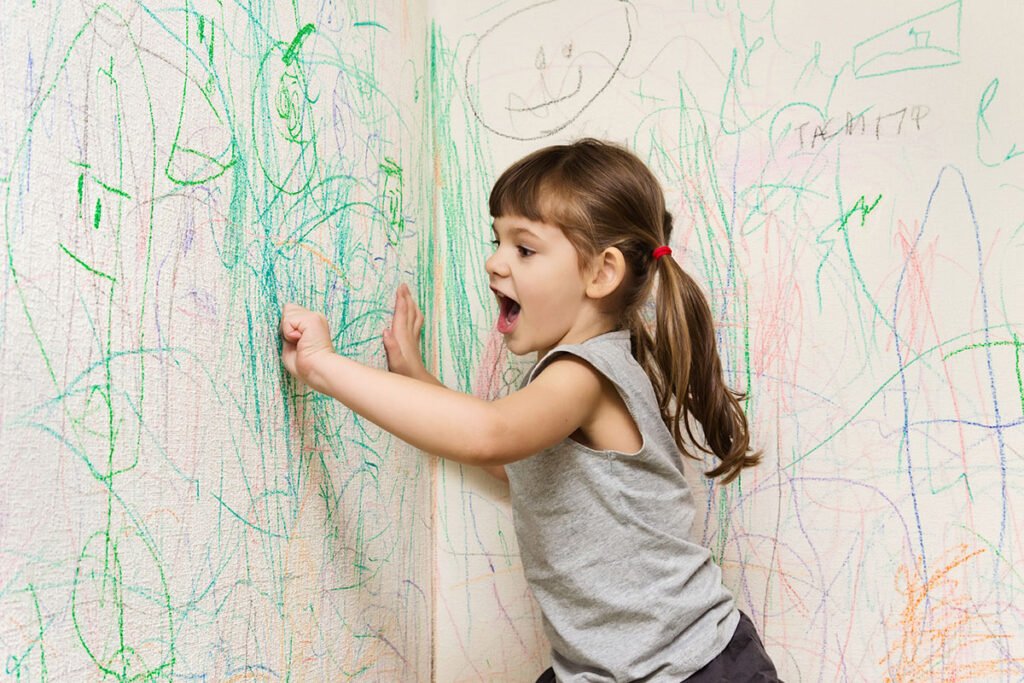
Learning how to remove crayon from walls without a magic eraser is a useful skill for any household with young children, because crayon art on walls is practically a rite of passage. The good news is that you do not need a special sponge to fix it. Crayon is mostly wax with color pigment, and wax responds well to gentle heat, mild solvents, and soft scrubbing. With the right method for your wall type, you can usually remove crayon marks completely without damaging the paint.
This guide walks through the safest methods first, explains which technique suits each wall finish, and covers what to do when a mark refuses to budge. Work through the methods in order, starting with the gentlest, and test every method in a hidden spot before tackling the main mark.
Before You Start: Know Your Wall
The right crayon removal method depends on your wall finish. A technique that is safe on glossy, washable paint can damage flat paint or wallpaper, so identify your surface first.
Gloss and semi-gloss paints have a harder, shinier surface that resists moisture and light scrubbing. These are the easiest walls to clean and the most forgiving. Eggshell and satin finishes sit in the middle: they tolerate gentle cleaning but can lose their sheen if scrubbed hard. Flat and matte paints are the most delicate, because they absorb moisture and scuff easily. Wallpaper, especially uncoated paper wallpaper, is the trickiest of all, and some methods should be avoided entirely on it.
If you are unsure about your paint finish, test in an inconspicuous spot, such as behind a door or inside a closet. Apply the method to a small area, wait a few minutes, and check for color change, dull patches, or paint coming off on your cloth. This five-minute test can save you from a much bigger repair job.
Gather your supplies before you begin: a hair dryer, soft white cloths, baking soda, white distilled vinegar, dish soap, a soft toothbrush, and a pencil eraser. White cloths matter, because colored cloths can transfer dye onto a damp wall. Avoid steel wool, green scouring pads, and stiff brushes, which will scratch paint and leave permanent marks.
Method 1: Heat and Wipe (Best First Try)
Heat is the gentlest way to deal with crayon, because it softens the wax so it can be lifted off instead of scrubbed off. This method works well on most painted walls and is a good starting point.
Hold a hair dryer on a medium heat setting about six inches from the crayon mark and move it slowly back and forth for thirty seconds to a minute. You will see the wax start to look slightly glossy as it softens. Immediately wipe the softened wax with a soft white cloth, using light pressure and a lifting motion rather than scrubbing back and forth. Repeat the heating and wiping until the color is gone, switching to a clean section of cloth each time so you do not spread the wax around.
For faint marks, heat alone may be enough. For heavier scribbles, heat first to remove the bulk of the wax, then follow up with one of the cleaning methods below to remove the remaining pigment. Keep the dryer moving and never hold it in one spot for long, because concentrated heat can bubble paint or damage wallpaper adhesive.
Method 2: Baking Soda Paste (Best All-Rounder)
A baking soda paste is the workhorse method for crayon on walls. It is mildly abrasive, which helps lift pigment, but gentle enough for most painted surfaces when used with a light touch.
Mix three parts baking soda with one part water to form a thick paste, similar in texture to toothpaste. Dip a soft white cloth or a soft sponge into the paste and rub the crayon mark gently in small circles. Work in sections, and check your progress every few seconds. Wipe away the paste with a clean damp cloth, then dry the area with a second cloth.
This method is effective on gloss, semi-gloss, eggshell, and satin paints. On flat paint, use even less pressure and test first, because the mild abrasion can lighten the finish if you scrub hard. If the mark lightens but does not disappear completely, repeat the paste application once more rather than pressing harder. Patience beats pressure with this method.
Method 3: Dish Soap and Warm Water
For light crayon marks, especially fresh ones, plain dish soap and warm water may be all you need. Dish soap cuts through wax and grease without harsh chemicals, making it a safe choice for homes with children and pets.
Add a few drops of mild dish soap to a bowl of warm water. Dampen a soft cloth in the solution, wring it out well, and wipe the crayon mark gently. Rinse the cloth frequently in clean water and continue wiping. Once the mark is gone, wipe the area once more with a cloth dampened in plain water to remove soap residue, then dry it.
The key here is a wrung-out cloth, not a soaking wet one. Too much water can seep into the paint or drywall, especially on flat paint, and leave water marks that are harder to fix than the crayon was. If the wall feels damp after cleaning, dry it promptly and let air circulate in the room.
Method 4: White Vinegar Solution
White vinegar is another household staple that helps dissolve crayon wax. It works best as a follow-up for pigment left behind after the wax itself has been removed by heat or baking soda.
Mix equal parts white vinegar and warm water. Dampen a soft cloth in the solution, wring it out, and wipe the mark gently. Let the solution sit on the mark for a minute or two, then wipe again with a clean damp cloth. The vinegar smell disappears as the wall dries.
Do not use vinegar on stone or marble surfaces, and test it on your paint first, since vinegar is mildly acidic. It is generally safe on standard painted drywall, but skip it on wallpaper unless you have confirmed the wallpaper is washable.
Method 5: Pencil Eraser and Other Gentle Options
Sometimes the simplest tools work surprisingly well. A clean, soft pencil eraser can lift light crayon marks from smooth painted walls. Rub gently in one direction, brush away the eraser crumbs, and wipe with a damp cloth. This method is slow for large areas, but it is excellent for small marks and for flat paint, where wet methods carry more risk.
Other gentle options include a small amount of non-gel white toothpaste applied with a soft cloth, rubbed lightly and wiped clean, and a dab of mayonnaise left on the mark for a few minutes before wiping, since the oil in mayonnaise helps dissolve wax. Both are worth trying on stubborn marks, but test them first, because toothpaste varies in abrasiveness and oil-based methods can stain unsealed surfaces.
For crayon on washable wallpaper, stick to the driest methods: heat and wipe, or a pencil eraser. For crayon on chalkboard-painted walls, a damp cloth with a little dish soap usually works, since chalkboard paint is designed to be wiped. For textured walls, a soft toothbrush helps reach pigment trapped in the texture, but use it very lightly to avoid wearing down the high points of the texture.
What Not to Do
Avoid reaching for strong solvents first. Nail polish remover, paint thinner, and similar products can dissolve paint along with the crayon, leaving a bare patch that is far more visible than the original scribble. Avoid bleach on colored walls, since it can strip color unevenly. Avoid abrasive pads, stiff brushes, and excessive water, all of which damage paint finishes. And avoid scrubbing hard in frustration: if a method is not working after two gentle attempts, switch methods rather than increasing force.
Also resist the temptation to paint over crayon marks without cleaning them first. Wax repels paint, so a coat of paint over crayon often looks patchy, and the crayon color can bleed through over time. Clean the wall properly, let it dry completely, and only then touch up the paint if needed. The same careful approach pays off elsewhere in the home: when you are freshening up the bathroom after cleaning the walls, our guide on how to keep a shower curtain from going moldy without bleach covers another common household cleaning job, and if the crayon incident happened while rearranging the room, see how to hang pictures without nails in an apartment rental for wall-friendly decorating ideas.
When the Mark Will Not Come Off
Some crayon marks, especially old ones that have been pressed into flat paint or uncoated wallpaper, may not come off completely. If you have tried heat, baking soda paste, and soap without full success, you have two options. The first is to accept a very faint shadow, which often becomes invisible once furniture is back in place and the lighting is normal. The second is a paint touch-up: clean the area as well as you can, let it dry fully, apply a stain-blocking primer over the mark, and then paint over it with matching paint. The primer step is important, because it seals any remaining wax and pigment so they cannot bleed through the new paint.
Keep leftover paint from the original paint job for touch-ups, or take a small paint chip to a paint store for color matching. Touch up with a small brush or foam roller, feathering the edges so the repair blends into the surrounding wall. Two thin coats look better than one thick coat.
Preventing the Next Mural
Once the wall is clean, a few preventive steps reduce the chance of a repeat performance. Give children a large roll of paper taped to the wall at their height, a chalkboard, or a whiteboard, so they have an approved drawing surface that feels just as fun as a wall. Washable crayons are worth the switch for younger children, since they come off walls and other surfaces far more easily than standard crayons. Keep crayons in a container that lives at the drawing table rather than scattered around the house, and praise wall art that appears on the approved surface. Children who get attention for drawing in the right place are less likely to test the walls again.
FAQ
What removes crayon from walls the fastest?
For most painted walls, the baking soda paste method is the fastest reliable option. Heat and wipe is gentler but slower, while dish soap and water works fastest on light, fresh marks. Try baking soda paste first if the mark is bold and covers a large area.
Can I use a hair dryer on wallpaper to remove crayon?
Use heat very cautiously on wallpaper. Low to medium heat for short bursts can soften wax, but prolonged heat can loosen wallpaper adhesive and cause bubbling or peeling. Test in a hidden spot first, and prefer the eraser method on uncoated wallpaper.
Will baking soda damage my paint?
Baking soda is mildly abrasive, so it is safe on gloss, semi-gloss, and satin paints when used with light pressure. On flat or matte paint, test first and rub very gently, because heavy scrubbing can lighten the finish or leave a dull patch.
How do I remove crayon from a textured wall?
Use the heat method to soften the wax, then work baking soda paste into the texture with a soft toothbrush, using light circular motions. Wipe with a damp cloth and repeat if needed. Avoid stiff brushes, which wear down the texture.
Does vinegar remove crayon from walls?
Vinegar helps dissolve residual wax and pigment, especially as a follow-up after heat or baking soda has removed the bulk of the mark. Use it diluted with equal parts water, test first, and avoid it on stone surfaces and uncoated wallpaper.
Should I paint over crayon instead of cleaning it?
Clean first, paint second. Wax repels paint and pigment can bleed through new coats. Remove as much crayon as possible, let the wall dry, apply a stain-blocking primer over any shadow, and then touch up with matching paint.