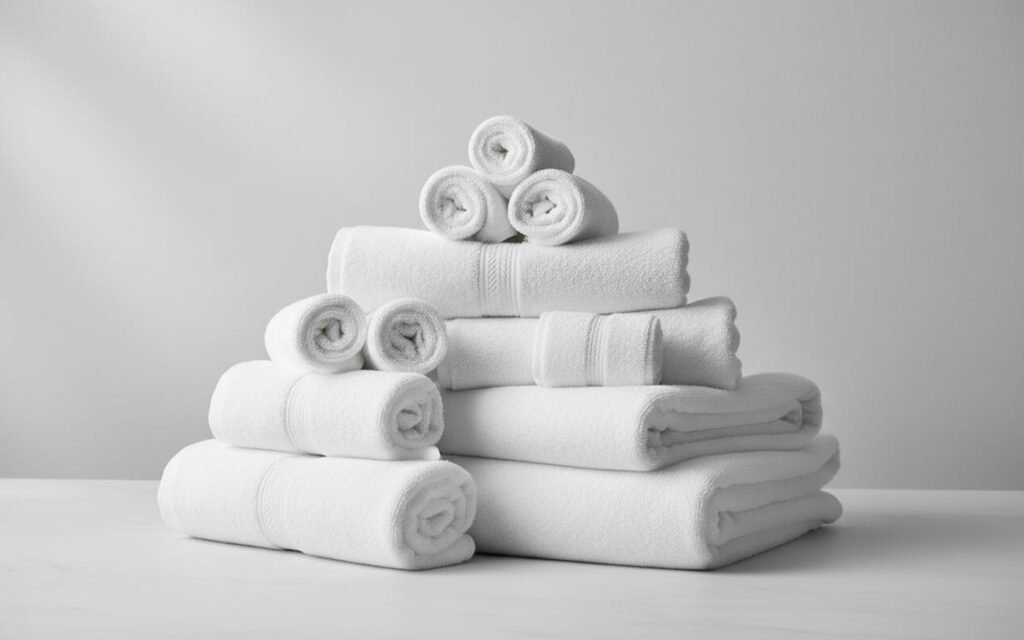
Learning how to keep towels soft without fabric softener is easier than most people expect, and it starts with understanding why towels turn stiff in the first place. Fabric softener promises fluffy towels, but it often does the opposite over time. It coats towel fibers with a thin waxy layer that reduces absorbency, traps odors, and leaves towels feeling slick rather than truly soft. The good news is that a few simple changes to how you wash and dry your towels can bring back that plush, hotel-style feel without buying a single bottle of softener.
In this guide, you will learn the exact wash settings, natural rinses, and drying habits that keep towels soft, absorbent, and fresh. These methods work for bath towels, hand towels, washcloths, and beach towels, and they cost little or nothing extra.
Why Towels Get Stiff and Scratchy
Towels are made of loops of cotton or cotton-blend fibers. When those loops stand up and stay loose, a towel feels soft and absorbs water quickly. When the loops get coated, matted down, or damaged, the towel feels rough and takes longer to dry you off. Several everyday habits cause this problem.
The most common culprit is too much detergent. Excess detergent does not rinse out fully, so it builds up on the fibers and makes them stiff. Hard water makes the problem worse, because minerals like calcium and magnesium leave deposits on the fabric. Overdrying is another major cause: high heat for too long damages cotton fibers and flattens the loops. Finally, fabric softener itself adds a coating that blocks absorption, which is why towels treated with it often feel soft at first but become less useful with every wash.
Once you know the causes, the fix becomes clear. The goal is to wash towels clean without residue, rinse them thoroughly, and dry them gently. Every tip below supports that goal.
Step 1: Wash Towels the Right Way
Start by washing towels separately from clothes. Towels are heavy and bulky, and they need room to move freely in the drum so water and detergent can reach every fiber. A washer stuffed full of towels cannot rinse properly, and that leftover residue is exactly what makes towels stiff.
Use Less Detergent Than You Think
Most people use far more detergent than a load of towels needs. For a standard load, about half the amount recommended on the detergent bottle is usually plenty, especially if your detergent is concentrated. If your towels come out feeling filmy or smelling faintly of detergent, you are almost certainly using too much. Try cutting the dose in half for two or three washes and notice the difference.
Choose Warm or Hot Water
Warm water works well for regular towel washes, and hot water is a good choice for white towels or towels that need a deeper clean. Hot water dissolves detergent better and helps remove body oils and residue. Avoid cold water for towels when you can, because it is less effective at dissolving detergent and oils, which can leave buildup behind.
Add White Vinegar to the Rinse Cycle
White distilled vinegar is one of the best natural tools for soft towels. Add about half a cup to the rinse cycle, not the wash cycle, so it can dissolve detergent residue and mineral deposits without being washed away by the detergent. Vinegar also helps towels smell fresher. Do not worry about a vinegar smell: it rinses out completely during the spin cycle, leaving no scent behind.
If your machine has a fabric softener dispenser, pour the vinegar there so it releases during the rinse. If not, add it manually when the rinse cycle starts, or use a rinse-cycle ball that releases its contents at the right time.
Try Baking Soda for Extra Freshness
Baking soda is another inexpensive helper. Add half a cup directly to the drum along with your detergent. It softens hard water, boosts cleaning power, and neutralizes odors. For towels that smell musty, a baking soda wash followed by a vinegar rinse is a powerful one-two combination. Just do not mix vinegar and baking soda in the same cycle and expect both to work at full strength: use baking soda in the wash and vinegar in the rinse, so each one does its job at the right stage.
Step 2: Dry Towels Gently
How you dry towels matters just as much as how you wash them. The wrong drying habits can undo a perfect wash in a single cycle.
Use Wool Dryer Balls
Wool dryer balls are the simplest replacement for dryer sheets. Toss three or four into the dryer with your towels. They bounce between the towels, separate the fibers, improve airflow, and reduce drying time. The result is softer, fluffier towels with no chemical coating. Dryer balls last for hundreds of loads, so they pay for themselves quickly. If you like a light scent, add a few drops of essential oil to a dryer ball and let it dry before use, but keep scented balls away from towels used by babies or people with sensitive skin.
Avoid Overdrying
Overdrying is one of the fastest ways to ruin soft towels. High heat damages cotton fibers and makes them brittle. Dry towels on medium heat and take them out while they are still very slightly damp, then let them finish drying on a rack or over a towel bar. This small change alone can transform stiff towels. If your dryer has a sensor-dry setting, use it rather than a timed cycle, because it stops when the towels are actually dry instead of cooking them for extra minutes.
Shake Towels Before Drying
Before putting towels in the dryer or hanging them up, give each one a firm shake. This fluffs up the loops and prevents them from drying in a flat, matted position. It takes only a few seconds per towel and makes a noticeable difference, especially for thick bath towels.
Line Drying Tips
If you line dry your towels, hang them in a breezy spot out of direct, harsh sunlight for long periods. Strong sun can stiffen cotton and fade colors. A light breeze actually helps towels feel softer, because moving air separates the fibers as they dry. If line-dried towels feel a bit stiff, tumble them in the dryer on low heat with dryer balls for ten minutes to soften them up.
Step 3: Break the Bad Habits That Stiffen Towels
A few common habits quietly damage towels over time. Cutting them out protects your towels and saves money.
- Skip fabric softener and dryer sheets entirely. Both coat fibers and reduce absorbency. Once you stop using them, towels usually improve within a few washes as the old coating rinses away.
- Do not overload the washer or dryer. Towels need space to move. Wash in two smaller loads rather than one crammed load.
- Avoid washing towels with clothes that have zippers, hooks, or Velcro. These snag towel loops and pull fibers out of shape.
- Do not leave damp towels sitting in the washer. Towels left wet for hours develop a musty smell and mildew that is hard to remove. Move them to the dryer promptly. If you ever face a smelly machine, our guide on how to stop a washing machine smelling without vinegar covers the cleaning steps that help.
- Use the right amount of heat. High heat feels faster, but it shortens towel life and causes stiffness. Medium heat is the sweet spot.
How to Rescue Towels That Are Already Stiff
If your towels are already rough and scratchy, do not throw them away. A reset wash can often bring them back.
First, wash the towels in hot water with no detergent at all. This strips away built-up softener, detergent residue, and oils. For a second cycle, wash again in hot water with half a cup of white vinegar in the rinse. Then dry on medium heat with wool dryer balls, removing the towels just before they are fully dry.
For very stubborn towels, soak them in a basin of hot water with one cup of vinegar for an hour before washing. This gives the vinegar time to dissolve mineral deposits. After the reset wash, switch to the low-detergent routine described above, and the towels should stay soft from then on. If a towel remains rough after two reset washes, its fibers may simply be worn out from age or repeated high-heat drying, and it is better suited for cleaning rags than for the bathroom.
Soft Towels for Different Towel Types
Not all towels respond the same way, so adjust your approach slightly for each type.
Cotton Bath Towels
Standard cotton towels respond best to the full routine: less detergent, vinegar rinse, dryer balls, and medium heat. Egyptian and Turkish cotton towels are thicker and need extra rinse time, so avoid overloading the machine with them.
Microfiber Towels
Microfiber towels should never be washed with fabric softener, which clogs the tiny fibers that make them absorbent. Wash them in cool or warm water with a small amount of detergent, and skip the dryer balls if they shed lint onto the microfiber. Air drying works well for microfiber.
Decorative and Colored Towels
Wash colored towels in warm rather than hot water to protect the dye, and wash new colored towels separately for the first few washes so loose dye does not stain lighter towels. Vinegar in the rinse can actually help set color and reduce fading over time.
Common Mistakes to Avoid
Even with good intentions, a few mistakes can keep towels stiff. Using too much vinegar is one: more than a cup per load can weaken fibers over time, so stick to half a cup. Mixing vinegar and bleach is another serious mistake, because the combination creates harmful fumes, so never use them together. Washing towels with fabric softener “just once in a while” also sets back your progress, because each application adds a fresh coating. Finally, do not iron towels or press them flat, since heat and pressure flatten the loops that make towels feel plush.
Consistency matters more than any single trick. Towels washed with less detergent, a vinegar rinse, and gentle drying stay soft wash after wash. The same low-residue approach also helps the rest of your laundry: if static is a problem, see our tips on how to stop static cling on clothes without dryer sheets, which use the same dryer-ball method. And since damp towels are a common source of bathroom mildew, pairing soft-towel care with advice on how to keep a shower curtain from going moldy without bleach keeps the whole bathroom fresher.
FAQ
Does vinegar really make towels softer?
Yes. White vinegar dissolves detergent residue and hard-water mineral deposits that stiffen towel fibers. Added to the rinse cycle, it leaves towels cleaner, softer, and more absorbent, with no lingering smell.
How much detergent should I use for towels?
About half the amount suggested on the bottle is usually enough for a normal load. If your water is soft, you may need even less. Signs of excess detergent include a filmy feel, a faint detergent smell after drying, and towels that repel water instead of absorbing it.
Can I use baking soda and vinegar together on towels?
Use them in separate stages, not mixed together. Add baking soda to the wash cycle and vinegar to the rinse cycle. Mixed in the same water they largely neutralize each other, so you lose most of the benefit of both.
Why are my towels soft after washing but stiff after drying?
Overdrying is the usual cause. High heat damages cotton fibers and flattens the loops. Dry on medium heat, remove towels while slightly damp, and use wool dryer balls to keep the fibers fluffy.
How often should I wash bath towels?
Most households should wash bath towels after three to four uses. Let towels dry fully between uses by hanging them spread out, not bunched up, and wash them promptly if they start to smell musty.
Will skipping fabric softener hurt my towels?
No. Skipping fabric softener actually helps towels. Softener coats fibers, reduces absorbency, and traps odors. Towels washed without it absorb water better and stay genuinely soft for longer.