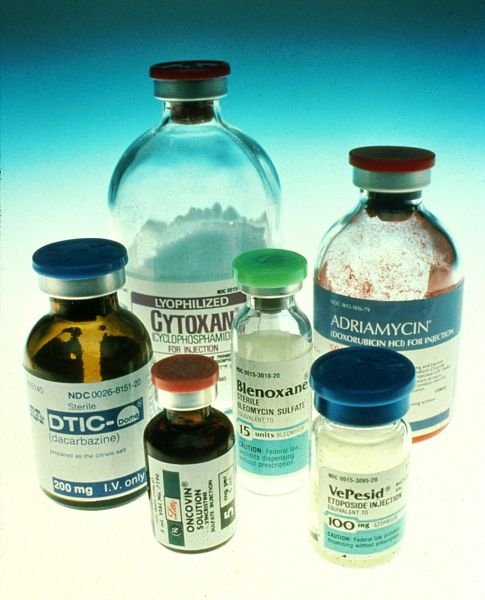
The National Pharmaceutical Pricing Authority (NPPA) has capped trade margins on 137 identified non-scheduled anti-cancer drugs at 30 per cent of their maximum retail price (MRP), a move expected to reduce the prices of several cancer medicines by up to 70 per cent and bring major relief to patients and their families.
What the cap means
Under the notification, the trade margin — the amount earned by intermediaries such as distributors, stockists and retailers between the manufacturer and the patient — will be capped at 30 per cent of the MRP, excluding GST. This means traders can add a maximum of 42.86 per cent to the price at which a manufacturer sells a drug to a stockist or distributor, known as the Price to Stockist or Price to Distributor (PTS/PTD).
The authority invoked Paragraph 19 of the Drugs (Prices Control) Order, 2013, which allows the government to control medicine prices in extraordinary circumstances in the public interest. The decision builds on a similar intervention in 2019, when trade margins on certain cancer drugs were capped — a move the regulator says cut the MRPs of hundreds of medicine brands significantly.
The drugs covered
The cap covers 137 cancer drugs identified by an expert committee of the Health Ministry as essential for cancer treatment. These include widely used medicines such as bevacizumab, pembrolizumab, nivolumab, osimertinib, palbociclib and durvalumab. The list also covers immunotherapy drugs used across more than 20 types of cancer, denosumab used by breast and prostate cancer patients, and pegfilgrastim, which prevents neutropenia in cancer patients.
Most of these medicines are classified as “non-scheduled” drugs, meaning they are not covered by the government’s regular price controls. The regulator said this freedom had resulted in high mark-ups, with the NPPA noting that cancer treatment places a severe financial burden on patients and their families, often resulting in catastrophic health expenditure. Concerns over excessive anti-cancer drug prices had been raised by state authorities, patients and civil society groups, particularly over the wide gap between procurement costs and the MRPs charged to consumers.
How prices will change
Revised prices are expected to take effect on November 9. All manufacturers are required to inform the NPPA of their revised prices within seven days of the gazette notification, publish the price lists on their websites and circulate them widely to retailers and hospitals. From November 9, retailers and hospitals must charge the reduced prices and display the revised lists in their pharmacies, with hospitals also publishing them prominently on their websites. Consumers can check the revised prices on the Pharma Sahi Daam app and the NPPA website.
The intervention is part of the regulator’s Trade Margin Rationalisation exercise aimed at curbing excessive margins across the distribution chain, and it joins a growing set of public-health milestones — from Arunachal’s first-ever kidney transplant at TRIHMS to the health department’s dengue readiness drive in Itanagar — that are reshaping access to care across the country.
#NPPA #CancerDrugs #Health #Pharma #DrugPrices #PublicHealth