

Fever season is here, and this time, it’s come with a warning.
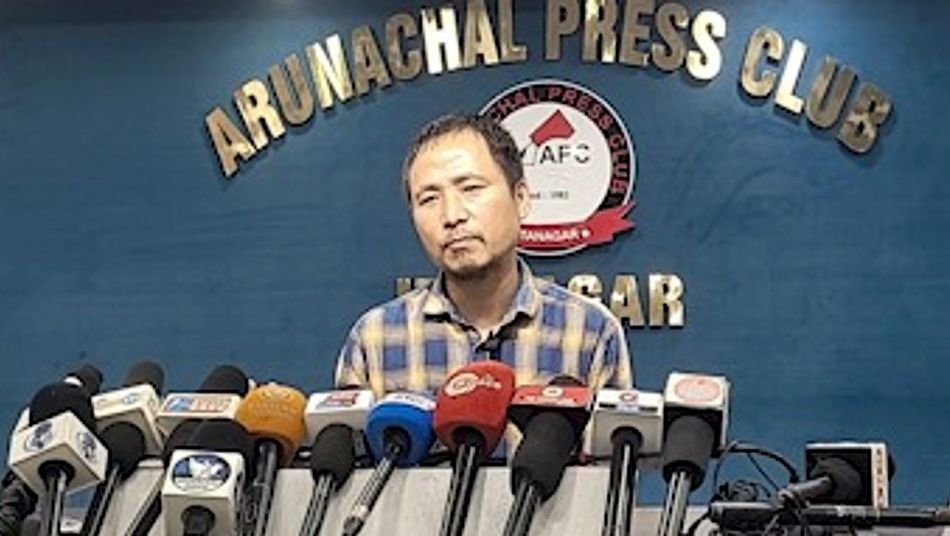
Itanagar woke up this weekend to a formal health advisory from the district medical officer of the Itanagar Capital Region, Dr. C. Lowang Mallo, sounding the alarm over a noticeable rise in sudden fever cases across the state capital. The message is clear — dengue is circulating, and residents need to act now, not after the first trip to the hospital.
The advisory was issued on Saturday, September 26, urging people to pursue early detection and greater public awareness as fever cases continue to climb in Itanagar.
September in Arunachal Pradesh is still deep monsoon territory. The rains have been generous this year, and while that’s good news for the hills and rivers, it is also perfect weather for the Aedes aegypti mosquito — the tiny, relentless villain behind dengue. Standing water collects everywhere — in flower pots, discarded tyres, construction sites, rooftop tanks — and that’s where the trouble begins.
Dengue is a mosquito-borne illness that causes an acute febrile condition generally lasting between two and seven days. The symptoms to watch for include headache, body ache, joint pain, skin rashes and that very distinct pain behind the eyes — what doctors call retro-orbital pain.
That last symptom is often what sets dengue apart. If your fever comes with eyes that feel like they’re being pressed from the inside, don’t sit on it.
The advisory lays out some common-sense precautions that are easy to follow but, honestly, easy to ignore — until someone in the house actually gets sick. Residents have been asked to remove stagnant water from their surroundings, regularly clean water coolers and storage tanks, and keep containers covered at all times. Small habits, big impact.
People have also been urged to use mosquito repellents and nets, install screens on windows and doors, and wear full-sleeved clothing — especially during early morning and late evening hours when mosquitoes are most active. It sounds basic, but in a city like Itanagar where daily life often means being outdoors, these measures make a real difference.
Perhaps the most important part of the advisory is what the health department is telling people not to do. Self-medication is strongly discouraged, and residents experiencing dengue-like symptoms are being urged to see a doctor promptly for proper diagnosis and treatment. There is a tendency in many households — especially when clinics are busy or far away — to grab whatever’s in the medicine cabinet and hope for the best. That approach can backfire badly with dengue.
The advisory specifically cautioned against taking aspirin, ibuprofen or steroids without medical advice. These drugs can thin the blood or suppress the immune response in ways that are dangerous for dengue patients. This isn’t a warning to be taken lightly.
Itanagar has seen dengue scares in previous years, and every time, the pattern is the same — a slow build in fever cases, a delayed response, and then a scramble when things get serious. The health department, to its credit, has moved early this time.
The question now is whether the city will listen. A health advisory on paper means nothing if people don’t change their behaviour at home, in their colonies, in their localities. Clean up the water. Cover the tanks. See a doctor if the fever hits. Dengue doesn’t negotiate — and this season, it’s already at the gate.