
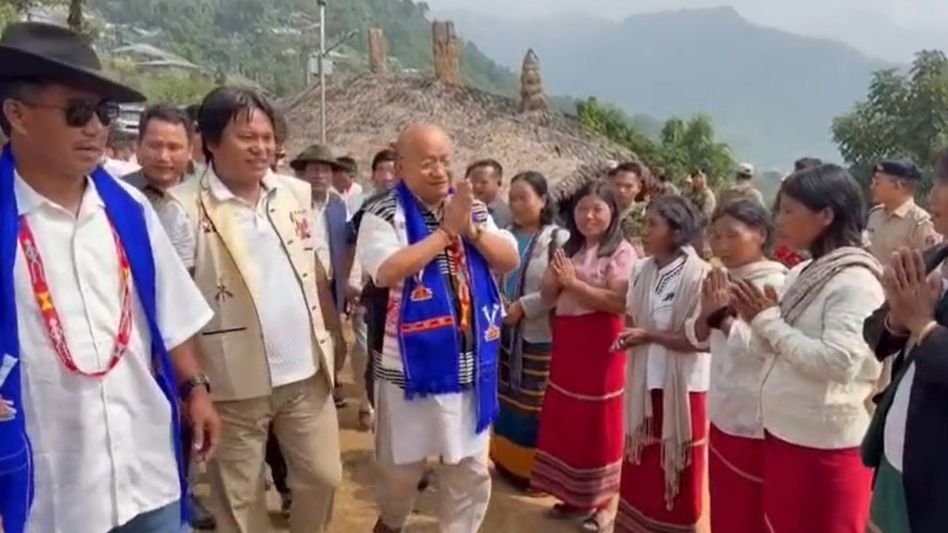
In a place most people couldn’t find on a map, a parliamentarian showed up — not for a photo op, but to listen.
Wakka village sits at the edge of India. Quite literally. Tucked away in Longding district of Arunachal Pradesh, it is one of the first villages you’d encounter along the Indo-Myanmar border — a strip of land where the country thins out into dense forests, difficult terrain, and an almost complete absence of the kind of conveniences the rest of India takes for granted. Mobile signals fade. Roads test patience. And yet, life goes on here, carried on the backs of women in bright sarees who walk miles to deliver vaccines and nutritional supplements to families who have no other option.
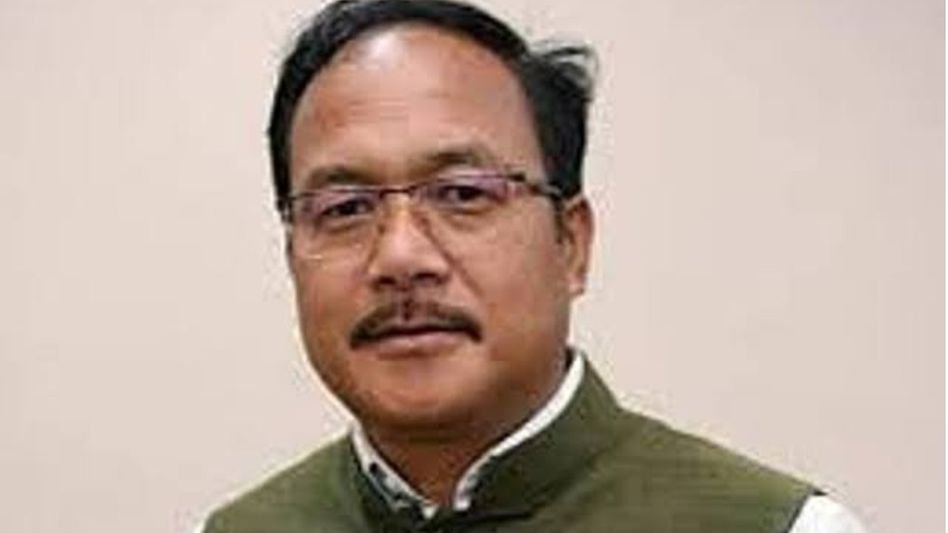
It was to this remote corner that Rajya Sabha MP Tai Tagak travelled on October 5, as part of the Seva Sankalp Abhiyan — a grassroots outreach initiative aimed at taking governance closer to the people who rarely see it. The visit wasn’t a grand event. It didn’t involve sweeping announcements or ribbon-cutting ceremonies. What it did involve was something rarer in Indian politics — a sitting lawmaker sitting down with the people who actually hold the last-mile of public healthcare together.
Tagak attended the Aangan Milan Seva programme at Wakka, where the gathering was a mix of children, ASHA workers, Anganwadi workers, and Anganwadi helpers. These are the frontline warriors of rural India — underpaid, underappreciated, and often invisible to the corridors of power in Itanagar or New Delhi. On this day, at least, they had someone listening.
The MP heard their grievances firsthand. The ASHA and Anganwadi workers spoke of the daily grind — navigating impossible terrain to reach households, the lack of basic infrastructure, connectivity issues that make even routine reporting a challenge, and service conditions that have long needed a serious look. Tagak did not brush their concerns aside. He assured them that genuine grievances would be escalated to the concerned authorities. Whether those assurances translate into action is something time will tell, but the act of hearing them out — of acknowledging the difficulty of their work — carries its own weight.
He also spent time with the children of Wakka. He encouraged them to stay focused on education, to look after their health, and to dream bigger than their geography might suggest. It’s easy to dismiss such words as routine political messaging, but in a village like Wakka, where children grow up with limited access to quality schools and are often the first generation to look beyond their immediate surroundings, those words can mean more than anyone sitting in a city office would understand. Tagak was firm in his belief that children in remote and border areas deserve the same opportunities as children anywhere else in India. Equal access to essential services isn’t a luxury, he said — it’s a right.
The MP also made a point of recognising the Anganwadi and ASHA workers publicly, felicitating them for their service. In a country where frontline workers are frequently celebrated in speeches but rarely in practice, even a small gesture of formal recognition carries meaning. These women show up every single day in conditions that most people wouldn’t accept, and being seen — genuinely seen — matters.
Speaking at the programme, Tagak articulated what the Seva Sankalp Abhiyan is supposed to stand for. It isn’t just about ticking boxes on an outreach calendar. The intent, as he described it, is to take the spirit of public service directly to those who live farthest from the centres of power — the remote, the rural, and the border communities who often feel like an afterthought in national policy conversations.
He also touched on something that doesn’t get enough attention in mainstream discussions about Arunachal — the connection between border village development and national security. The development of villages like Wakka, he pointed out, isn’t purely a welfare issue. It’s a strategic one. When border communities feel connected to the nation — when they have roads, healthcare, schools, and a sense that someone in government actually cares about their lives — it strengthens India’s presence in these sensitive zones far more effectively than any physical infrastructure alone can. A village that thrives on the border is itself a statement of sovereignty.
Longding is not an easy district to reach, and Wakka is even further out. The decision to come here, to sit with Anganwadi helpers and school children and ASHA workers instead of attending more comfortable engagements, says something about the kind of representative Tai Tagak wants to be.
Whether this visit marks the beginning of meaningful change for Wakka village or remains a one-time moment in a far-off election cycle — that, the people of Wakka will decide. They’ve seen promises before. What they’re waiting for is follow-through.