
That constant hissing from your bathroom is more than annoying. If you want to know how to stop your toilet from running without calling a plumber, the good news is that most running toilets are fixed in under 30 minutes with zero plumbing experience and parts that cost less than a pizza.
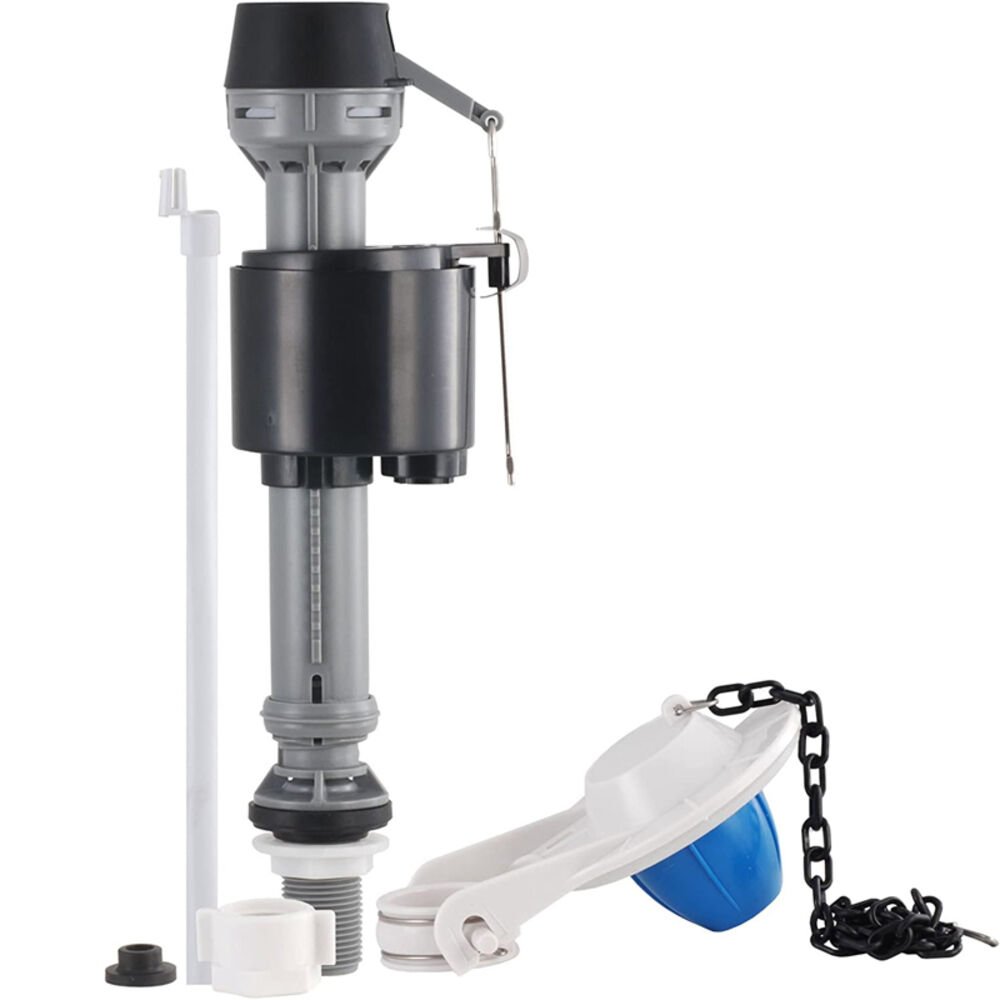
A running toilet can waste up to 200 gallons of water a day, quietly adding a hefty surcharge to your water bill. But before you reach for the phone, take the lid off the tank. Inside you will find only three parts that matter: the flapper, the fill valve, and the flush chain. One of them is almost always the culprit.
Why Your Toilet Keeps Running
Understanding the mechanism makes the fix obvious. When you press the handle, the flush chain lifts the flapper (the rubber seal at the bottom of the tank), letting water rush into the bowl. When the tank empties, the flapper drops back down and seals. The fill valve then refills the tank until the float rises to its set level and shuts the water off.
A toilet runs when this cycle breaks down in one of three ways:
- The flapper is not sealing. Water constantly leaks from the tank into the bowl, so the fill valve never shuts off.
- The fill valve is faulty. Water keeps flowing even though the tank is full, or the valve cannot shut off properly.
- The water level is too high. Water spills into the overflow tube, and the valve runs forever trying to refill.
Step 1: Diagnose the Problem (5 Minutes)
Do this first so you buy the right part instead of guessing.
- Remove the tank lid and set it somewhere safe where it cannot fall.
- Add a few drops of food coloring to the tank water and wait 15 minutes without flushing. If the bowl water changes color, your flapper is leaking.
- Look at the water level. There should be a fill line marked inside the tank, usually about an inch below the top of the overflow tube. If water is flowing into the overflow tube, the level is too high.
- Push down gently on the flapper. If the running stops, the flapper is the problem. If it continues, the fill valve or float is suspect.
Step 2: Fix or Replace the Flapper
A worn flapper is the cause of roughly 80 percent of running toilets. Rubber flappers last three to five years before minerals and chemicals in the water stiffen or warp them.
Quick temporary fix
If the chain is tangled or caught under the flapper, untangle it and the running may stop immediately. The chain should have about half an inch of slack when the flapper is closed.
Replacing the flapper
- Turn off the water supply valve behind the toilet (turn it clockwise).
- Flush to empty the tank, and sponge out the remaining water.
- Unhook the old flapper from the flush valve posts or the overflow tube.
- Take the old flapper to the hardware store to match the size and style, or buy a universal adjustable flapper.
- Install the new flapper, reconnect the chain with slight slack, and turn the water back on.
This is a ten-dollar repair that stops the leak completely in most cases.
Step 3: Adjust or Replace the Fill Valve
If the flapper is fine but the tank keeps filling, the fill valve needs attention.
Adjusting the float
- Ball float with an arm: Gently bend the metal arm downward so the float sits lower. This makes the valve shut off sooner.
- Float cup on the valve body: Pinch the adjustment clip on the side of the float cup and slide it down to lower the shutoff level.
The target: water should stop about an inch below the top of the overflow tube, and there should be no water trickling into it.
Replacing the fill valve
Fill valves wear out and can refuse to shut off even after cleaning. A universal replacement costs around 15 dollars and installs with an adjustable wrench:
- Shut off the supply valve and flush the toilet to drain the tank.
- Disconnect the water supply line from the bottom of the tank.
- Unscrew the lock nut under the tank and lift out the old valve.
- Insert the new valve, hand-tighten the lock nut, and reconnect the supply line.
- Attach the refill tube to the overflow tube, turn the water on, and set the water level with the adjustment screw or clip.
Step 4: Check the Chain and Handle
Sometimes the fix is simpler than parts. If the flush chain is too long, it can slip under the flapper and hold it open. If it is too short, the flapper never fully closes. Adjust so there is about half an inch of slack. Also check that the flush handle is not sticking; a corroded handle that stays down keeps the flapper lifted.
Tools and Supplies to Have on Hand
You probably already own everything this job requires. Before you start, gather an adjustable wrench, a sponge or old towel, a small bucket, a flashlight, and a pair of rubber gloves. If your diagnosis points to a bad part, a trip to the hardware store for a universal flapper or fill valve is the only purchase needed.
Buy universal replacement parts rather than brand-specific ones unless your toilet is an unusual model. Universal flappers adjust to fit 2-inch and 3-inch flush valves, and universal fill valves fit virtually every standard tank. Keeping a spare flapper in your home maintenance kit is a smart move: when the next toilet starts running at 10 PM, you will fix it the same night instead of listening to it until morning.
How Much Water and Money This Saves
A running toilet wastes anywhere from 30 to 200 gallons per day depending on the severity of the leak. At average residential water rates, that translates to an extra 20 to 70 dollars a month on your bill, sometimes more in high-rate cities. A ten-minute flapper replacement pays for itself the day you do it. Over a year, fixing a serious running toilet can save over 70,000 gallons of water, which is a meaningful conservation win for your household too.
Keep the Fix Working With Simple Maintenance
Once the toilet is quiet again, a few habits keep it that way. Every few months, lift the tank lid and look inside. Check that the chain still has its half inch of slack, that the water level sits at the fill line, and that the flapper looks supple rather than stiff or warped. Catching wear early turns a future repair into a five-minute part swap instead of a week of wasted water.
Avoid dropping bleach-based cleaning tablets into the tank. The concentrated chlorine eats rubber seals and can destroy a new flapper in months. Use in-bowl cleaners or a weekly scrub instead. If your area has hard water, mineral buildup on the flush valve seat can prevent even a new flapper from sealing. A gentle scrub of the valve seat with a soft cloth during your periodic check solves this before it becomes a leak.
Finally, teach everyone in the household not to jiggle or hold the handle. A handle that is forced down hard can bend the flush lever arm, throwing off the chain geometry and causing intermittent running that is annoying to diagnose. A normal, quick press is all any toilet needs.
Mistakes to Avoid
- Skipping the diagnosis. Replacing the fill valve when the flapper is the problem wastes money and does not fix the leak.
- Overtightening plastic parts. Hand-tight plus a quarter turn with a wrench is enough. Cracking the tank fittings turns a 15-dollar job into a plumbing call.
- Using bleach tablets in the tank. Concentrated bleach tablets eat rubber flappers and shorten their life dramatically. Use bowl cleaners instead.
- Ignoring a second issue. If the toilet runs AND the bowl refills slowly, you may have a partially clogged rim jet too, which is a separate problem.
Keeping up with small bathroom fixes like this keeps larger headaches away. If you have been putting off other projects, our guide to unclogging a kitchen sink without a plunger and caulking a bathtub without a caulking gun cover more easy wins.
When You Actually Should Call a Plumber
DIY stops here if you notice any of the following:
- Water pooling at the base of the toilet (a failed wax ring, not a tank issue).
- Cracks in the tank or bowl.
- A supply valve that will not turn or starts leaking when you touch it.
- The toilet runs again within days of replacing both parts, which can signal a crack in the overflow tube or a valve seat problem.
These are beyond flapper-and-valve territory and worth a professional visit.
If the bathroom needs a refresh while you are at it, see how to paint a small bathroom without removing the toilet for a weekend project that pairs well with these repairs.
Frequently Asked Questions
How much does it cost to fix a running toilet?
DIY repairs cost 8 to 20 dollars for a flapper or fill valve. A plumber typically charges 150 to 250 dollars for the same job, which is why this fix is such a good one to handle yourself.
Can a running toilet be dangerous?
It is not dangerous to your health, but it wastes a huge amount of water and can dramatically raise your water bill. Long-term, the constant moisture can also increase humidity in the bathroom.
How do I know if the flapper or the fill valve is bad?
Do the food coloring test: put dye in the tank and wait 15 minutes without flushing. Colored water in the bowl means the flapper is leaking. If the tank keeps filling past the overflow tube, the fill valve or float needs adjustment.
How long does a toilet flapper last?
Most flappers last three to five years. Hard water, high chlorine levels, and bleach tablets in the tank all shorten flapper life.
Why does my toilet run randomly for a few seconds?
This is called phantom flushing. It means the flapper is leaking slowly: the tank loses water, the level drops, and the fill valve kicks on briefly to top it up. A new flapper fixes it.












3 thoughts on “How to Stop Your Toilet From Running Without a Plumber”
Comments are closed.