A five-hour gap between flights can feel like a minor inconvenience. A ten-hour gap can feel like a test of character. If you are wondering how to survive a long layover without lounge access, the good news is that experienced travelers have turned terminal purgatory into an almost enjoyable experience with a few smart habits. You do not need a business-class ticket or a premium credit card to make the hours pass comfortably — you just need a plan. Here are twelve practical hacks, organized by what actually matters: sleeping, eating, staying comfortable, staying entertained, and knowing when to leave the airport entirely.
Get Sleep Right: Rest Is Everything
1. Scout for hidden rest zones
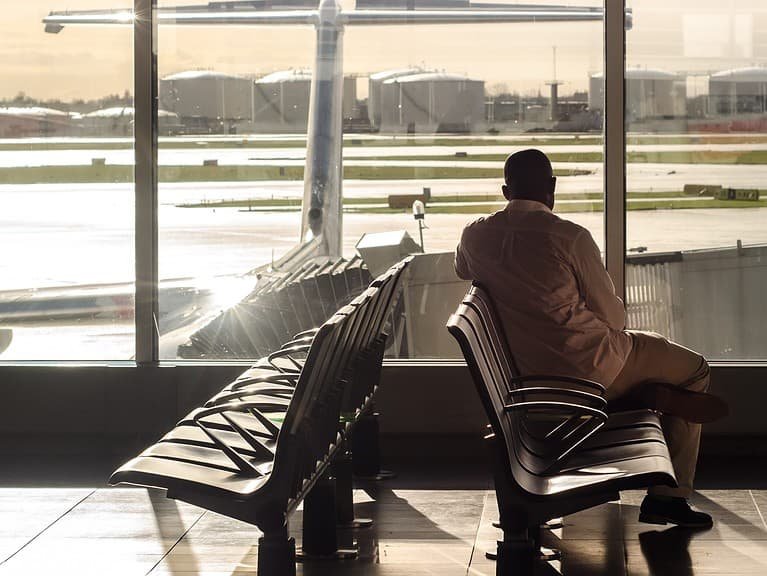
Most major airports have quiet corners that never make it into the terminal map handed out at check-in. Walk past the first concourse seating area, because the seats near high-traffic gates are the least comfortable in the building. Look for chapel or meditation rooms, which are often empty and dimly lit; many airports also have designated rest zones with recliners or padded benches. Airport apps and terminal maps on the departure boards can help you find these spots quickly. Once you claim a good spot, set multiple alarms — sleeping through a gate change is the classic long-layover disaster.
2. Build a personal sleep kit
You can recreate a surprising amount of lounge-style comfort with gear that fits in a jacket pocket. A quality neck pillow, earplugs or noise-canceling earbuds, and an eye mask are the holy trinity of terminal napping. If you want to upgrade the experience further, our guide on how to sleep comfortably on a long flight in economy class covers positioning and timing tricks that work just as well on a row of gate seats. A light blanket or large scarf doubles as warmth and privacy — draped over you, it signals to fellow travelers that you are resting and would rather not chat.
3. Consider paid rest options when the layover is truly long
If your layover stretches past six hours and you are exhausted, the math often favors spending a little. Nap pods, sleep cabins, and day rooms inside terminals typically rent by the hour for far less than a hotel, and some airports have massage chairs or spa services with timed sessions. Another option is a nearby airport hotel’s day rate, which many sell for roughly half the overnight price and sometimes include a free shower and pool. Compare the cost against how much you would spend wandering the terminal buying overpriced food out of boredom — sometimes the nap cabin wins on both comfort and budget.
Eat Smart, Not Desperately
4. Pack your own food before you fly
Airport restaurants charge premium prices for average food, and eating three meals in a terminal can easily cost more than the flight’s budget fare. Before you leave home, pack durable snacks: nuts, protein bars, dried fruit, sandwiches, and an empty reusable water bottle that you fill after security. This single habit can cut your layover spending dramatically and keeps you from eating a sad fast-food meal at midnight just because it is the only thing open. Food brought through security is fine as long as it is solid — liquids and gels are the things that get confiscated.
5. Hunt for the good food, not just the nearest food
If you do buy a meal, do not default to the first place you see after landing. Food courts in major hubs vary wildly, and the better restaurants are usually a short walk away in a different terminal or near international gates. Check the airport’s own app or a quick search for recent reviews of what is actually open and worthwhile — and pay attention to hours, because many terminal restaurants close earlier than travelers expect. One satisfying, properly chosen meal plus your packed snacks will carry you through far more pleasantly than three rounds of vending-machine grazing.
6. Stay hydrated and go easy on the alcohol
Cabin air is dry, terminals are air-conditioned, and by hour four of a layover you are already mildly dehydrated without realizing it. Refill your water bottle at filtered stations — they are now common near restrooms and drinking fountains — and aim for a full bottle every couple of hours. Alcohol is tempting because airports serve it at any hour, but it worsens dehydration and disrupts the nap you desperately need before your next flight. A better indulgence is a real coffee or tea in the morning stretch, timed so the caffeine wears off before your connecting flight’s sleep window.
Stay Comfortable: The Small Things That Matter
7. Refresh yourself like a new person
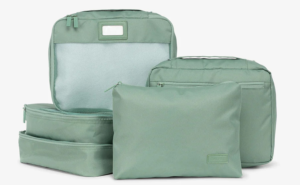
A shower midway through a long layover is the closest thing to a reset button in travel. Many airports have pay-per-use shower facilities in rest zones or fitness areas, and some airlines sell shower access even to economy passengers connecting on their flights. No shower available? A washcloth, travel soap, deodorant, and a change of clothes in your carry-on achieve a remarkable transformation in an accessible restroom. The difference between boarding your next flight feeling stale and boarding feeling fresh is entirely in your control — and knowing how to pack a carry-on for two weeks without checking a bag ensures you actually have that change of clothes and toiletry kit with you in the first place.
8. Secure your gear and your seat
Falling asleep in public means worrying about your belongings, which ruins the sleep. A small cable lock lets you tether your bag to a fixed seat or bench while you rest. Keep your passport, phone, and wallet in a pouch that stays on your body — a neck wallet or zippered jacket pocket — rather than in a daypack across the room. Some travelers swear by looping a bag strap through a leg or arm; it is inelegant but effective. Sit with your back to a wall when possible so nobody can approach from behind, and use luggage as a footrest to keep it both secure and useful.
9. Manage your power like a resource
A dead phone in an unfamiliar airport is a special kind of stress, because it holds your boarding pass, your map, and your entertainment. Bring a fully charged portable power bank — it is the single most underrated layover tool — and scout for outlets near seating areas early, before the good spots fill up. Turn on low-power mode and download your entertainment, maps, and boarding passes for offline use so you are not burning battery on airport Wi-Fi streaming. If outlets are scarce, ask politely at an airline service counter; staff will often let you charge a phone behind the desk for a few minutes.
Beat Boredom: Time You Can Actually Use
10. Turn the layover into productive time
Five uninterrupted hours with no meetings and no chores is a gift if you treat it like one. Catch up on email, clear your photo roll, organize your travel documents, learn twenty phrases in your destination’s language, or draft the itinerary for the rest of the trip. Travelers with work to do should look for business centers or co-working style seating areas that some airports now provide with desks and fast Wi-Fi. Even something as simple as walking the full length of every terminal gives you exercise after hours of sitting — set a step goal and explore like it is a museum.
11. Know when to leave the airport
For layovers of six hours or more, especially in cities you have never visited, going landside can turn a wasted day into a genuine mini-adventure. Research in advance: how far is the city center, how long does transit take each way, and how long do you need to be back for security and boarding? A safe rule is that you need at least two hours of cushion after returning, so a six-hour layover realistically gives you about two hours outside the airport. Confirm visa or transit requirements before you exit — some nationalities need a transit visa even for a few hours — and keep your boarding pass for the connecting flight accessible on your phone.
Common Mistakes That Make Layovers Miserable
12. Fix the little planning failures that compound
This final hack is really a bundle of the mistakes seasoned travelers watch beginners make. Do not skip checking your connecting gate until the last minute — gates change, and terminals can be twenty minutes apart by train. Do not eat your biggest meal right before your next flight boards; boarding while bloated is miserable in an economy seat. Do not forget to stretch: after hours of terminal sitting, your legs and back will punish you on the next flight, so stand up and move every hour. And do not isolate yourself from information — keep an eye on the departure boards or your airline’s app, because during a long layover you can easily miss a schedule change announced quietly at a faraway gate.
Frequently Asked Questions
What is the longest layover you can comfortably survive without lounge access?
Most travelers handle up to eight hours well with the right preparation — food, a sleep kit, and a plan for how the hours will pass. Beyond ten hours, strongly consider a nap cabin, an airport hotel day rate, or a short trip into the city, because fatigue starts to affect judgment and even the best terminal seat gets old.
Can I leave the airport during a long layover?
Usually yes, as long as your layover is long enough and you meet the destination’s entry requirements. Allow roughly two hours to get back through security and reach your gate, research transit times in advance, and keep your connecting boarding pass on your phone. If your layover is under five hours, staying airside is almost always the smarter choice.
How do I sleep safely at the gate?
Choose a spot with your back to a wall, tether your bag to something fixed with a cable lock or strap, and keep your passport and phone in a pouch on your body. Set multiple alarms on your phone and check the departure board before you doze off so a gate change does not leave you behind.
What should I pack specifically for a long layover?
A neck pillow, eye mask, earplugs, a portable charger, a reusable water bottle, snacks, a change of clothes, basic toiletries, and any medication you need. These items fit easily in a standard carry-on and cover sleep, food, hygiene, and power — the four pillars of layover survival.
Is it cheaper to buy food at the airport or bring your own?
Bringing your own is dramatically cheaper — a day’s worth of packed snacks costs a fraction of even one terminal restaurant meal. Buy at most one proper meal in the airport to stay comfortable, and let your packed food cover the gaps between meals.
Are airport shower facilities worth it?
For layovers over five or six hours, absolutely. A shower resets your energy and mood in a way that no amount of coffee can match. If no pay-per-use shower exists, a washcloth refresh with a change of clothes in an accessible restroom is a solid backup plan.