
There is a quiet revolution happening in the hills of Arunachal Pradesh. Not with protests or politics, but with skill, savings, and sheer determination — and over 16,000 women are already proof of it.
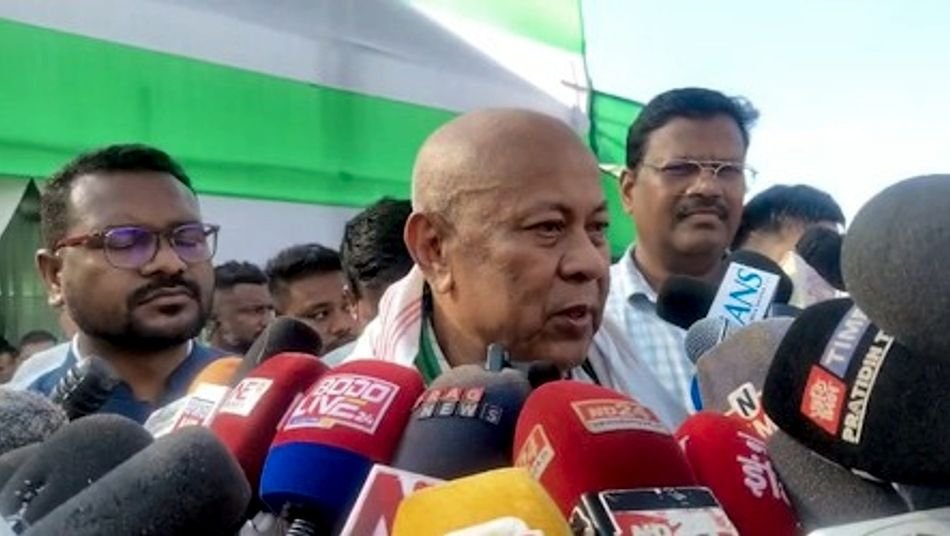
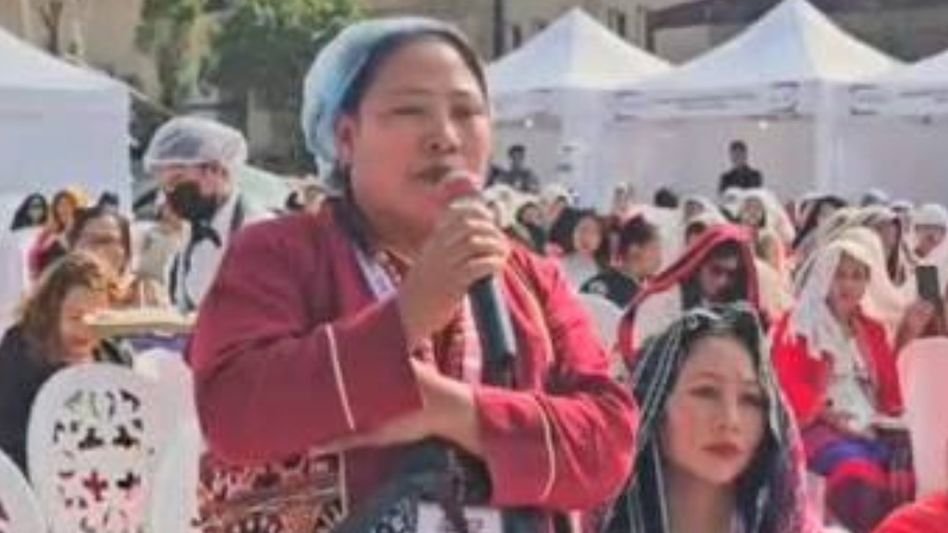
Deputy Chief Minister Chowna Mein confirmed on Sunday that more than 16,000 women across the state have officially achieved ‘Lakhpati Didi’ status, meaning each of them now earns a sustainable annual household income of at least Rs 1 lakh. The announcement, shared on social media, was more than a government update — it read like a milestone for every woman in the state who was once told her ambitions were too big for her village.
The numbers behind this achievement are hard to ignore. Nearly one lakh women have been mobilised into 15,999 self-help groups (SHGs) under the Arunachal State Rural Livelihoods Mission, or ArSRLM. And that’s not even the most striking part — an additional 36,000 women have already been identified as potential Lakhpati Didis, which means the movement is still gaining speed.
To support all of this growth, the state has built real institutional muscle. There are now 1,488 primary-level federations and 91 cluster-level federations (CLFs) already up and running. The government has set a target of 30 ‘Viksit CLFs’ by March 2027 — a goal aimed at making these women-led institutions not just functional, but genuinely self-reliant.
What is the ‘Lakhpati Didi’ initiative, exactly? At its core, it is a national programme designed to help SHG women cross the Rs 1 lakh annual income threshold through skill development, entrepreneurship, financial inclusion, and convergence with existing government schemes. Think of it as a framework that transforms a woman from a passive participant in the economy into someone driving it.
Chowna Mein, who also holds the finance, planning, and investment portfolios, put it simply: “When women earn, families gain greater security, communities become more resilient and local economies grow.” It is a line that could easily sound like a press release, but when you set it against the backdrop of remote, mountainous communities that have long struggled with economic access, it lands differently. This is what real financial inclusion looks like — not just bank accounts, but actual income in hand.
There is something deeply significant about the emphasis on leadership here. The stated goal isn’t just to bring more women above the income line. It is to move them from economic participation to economic leadership — a distinction that matters enormously in regions where women’s contributions have historically been invisible to the formal economy.
The state government has made clear that the road ahead involves connecting women with markets, technology, finance, and new livelihood opportunities. That is a lot to promise. But the groundwork — the SHGs, the federations, the identified pool of 36,000 more potential Lakhpati Didis — suggests this is not empty rhetoric.
Arunachal Pradesh has always been a land of extraordinary people shaped by extraordinary landscapes. But it now seems determined to add another chapter to that story — one written by women who turned local resources and quiet ambition into something the numbers can finally reflect.
If 16,000 women could do it, 36,000 more absolutely can. And then some.