
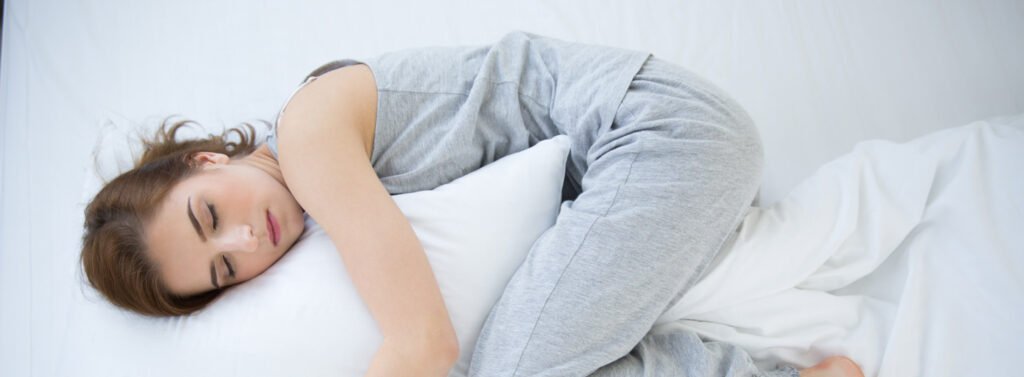
Waking up with an aching hip is one of the most common complaints among side sleepers. If you want to know how to relieve hip pain from sleeping on your side, the good news is that most nighttime hip discomfort comes down to alignment and pressure, both of which you can fix with a few practical changes. You do not have to give up your favorite sleep position or spend a fortune to get relief.
This guide covers why side sleeping bothers your hips, what to do about it tonight, how to set up your bed for long-term comfort, and which mistakes keep the pain coming back. Every strategy here is simple, drug-free, and designed to fit into your normal routine.
Why Side Sleeping Causes Hip Pain
Side sleeping is the most popular sleep position in the United States, and doctors often recommend it for snoring and digestion. But it puts your entire upper body weight through one small contact point: the outside of your hip. Here is what is actually happening while you sleep:
- Direct pressure on the outer hip. The bony point on the outside of your thigh bone presses into the mattress all night. On a firm mattress, that pressure concentrates on the soft tissues over the hip joint, which can feel bruised and tender by morning.
- Hip misalignment. When you lie on your side without support between your legs, your top leg drops down toward the mattress. This twists your pelvis and pulls on the muscles, tendons, and connective tissue around the hip. Over hours, that sustained stretch irritates the area.
- Tight hip muscles. Many people already carry tension in the hip flexors, glutes, or the band of tissue along the outer thigh from sitting all day. Side sleeping on those tight structures amplifies the discomfort.
- Mattress mismatch. A mattress that is too firm does not cushion the hip, while one that is too soft lets the hip sink deep and throws the spine out of line. Both extremes can leave you sore.
Understanding the cause matters because it points straight at the fix. Most hip pain from side sleeping is a pressure and alignment problem, not a damage problem, which means adjustments to how you sleep usually bring real relief. This article is for informational purposes only and is not medical/financial advice. Consult a qualified professional.
Immediate Relief: What to Do Tonight
If your hip is sore right now, start here. These are the highest-impact changes you can make in a single night.
1. Put a pillow between your knees
This is the single most effective trick for side-sleeper hip pain. A pillow between your knees keeps your top leg level with your hip, stopping your pelvis from twisting and your hip joint from being pulled out of alignment. Use a pillow thick enough that your top leg stays parallel to the mattress — for most adults, a standard bed pillow folded or a dedicated knee pillow works best. If you have been sleeping with your knees stacked, expect a noticeable difference within a few nights.
2. Switch sides during the night
If you always sleep on the same side, that hip takes all the pressure every single night. Make a conscious effort to alternate. It can help to put your water bottle or phone charger on the opposite side of the bed as a reminder. Even splitting the night between sides gives each hip recovery time.
3. Place a pillow under your waist
Many side sleepers have a gap between their waist and the mattress, especially if they have a curvy figure. The mattress pushes up against the hip while the waist floats, concentrating force on the hip. A small, thin pillow tucked into the curve of your waist distributes pressure more evenly and takes load off the hip.
4. Add a mattress topper
If your mattress is firm and you wake with a hip that feels bruised, a 2 to 4 inch memory foam or latex topper adds cushioning exactly where you need it. Look for a topper that cradles the hip without letting you sink so deep that your spine bends sideways. This is far cheaper than replacing a mattress and works for most people.
5. Try the body pillow method
Hugging a full-length body pillow while lying on your side does three jobs at once: it supports your top arm, keeps your top knee separated from the bottom one, and prevents you from rolling forward into a twisted position. Many dedicated side sleepers say this one change eliminated their hip pain entirely.
Fix Your Sleep Setup for Long-Term Relief
Nightly tricks help, but the permanent fix is a sleep setup that keeps your hips aligned on its own. If you spend an hour improving your bed, you stop thinking about hip pain every morning.
Choose the right mattress firmness
Side sleepers generally do best on a medium to medium-soft mattress. The ideal mattress lets your shoulder and hip sink in just enough to keep your spine straight — imagine a line drawn from your neck through your back to your tailbone, staying horizontal while you lie on your side. If you can have someone check your alignment, or you can photograph yourself lying down, that visual check is worth more than any firmness label.
Check your pillow height
Your head pillow affects your hips more than you would think. A pillow that is too thin lets your head drop, pulling your whole spine — and therefore your pelvis — out of line. A pillow that is too thick pushes your head up and tilts you the other way. Your head, neck, and spine should form a straight line. Getting this right often reduces hip strain as a side benefit. For more ideas on fixing sleep-position discomfort, see our guide on sleeping better with lower back pain, which covers many of the same alignment principles.
Consider a mattress with zoned support
Some modern mattresses are built with firmer zones in the middle and softer zones at the shoulders and hips. If you are shopping for a new mattress anyway and sleep on your side, zoned support is worth prioritizing, because it cushions the hip while keeping the waist and lower back supported.
Rotate or flip your mattress on schedule
Mattresses develop a permanent dip where you sleep most. Sleeping in a body-shaped valley twists your hips night after night. Rotate your mattress head-to-foot every few months (and flip it if it is double-sided) to even out the wear. This small habit extends mattress life and protects your alignment.
Stretches and Exercises That Help Side-Sleeper Hip Pain
Tight or weak muscles around the hip make nighttime pressure worse. A short daily routine loosens the structures that side sleeping compresses and builds support around the joint. A short evening session works best.
Gentle stretches to do before bed
- Figure-four stretch: Lie on your back, cross one ankle over the opposite knee, and gently pull the bottom leg toward you until you feel a stretch deep in the hip and glute. Hold 30 seconds per side. This targets the muscles that get compressed while side sleeping.
- Standing hip flexor stretch: Step one foot back into a lunge position, tuck your pelvis slightly, and lean gently forward until you feel a stretch at the front of the back hip. Hold 30 seconds per side. Sitting all day shortens these muscles, and side sleeping on them makes them crankier.
- Seated outer-hip stretch: Sit tall, cross one ankle over the opposite knee, and lean your chest forward slightly. You should feel the stretch along the outside of the hip — the exact spot that presses into the mattress.
- Child’s pose: Kneel, sit your hips back toward your heels, and walk your hands forward on the floor. This gently opens the hips and relaxes the lower back, which shares the load with the hips during sleep.
Strength moves that protect your hips
Strong glutes act like shock absorbers for the hip joint. Two simple moves, done a few times a week, make a real difference:
- Clamshells: Lie on your side (the non-sore side, or both), knees bent, heels together. Keeping your feet touching, open your top knee like a clamshell, then lower it slowly. Repeat 10 to 15 times per side.
- Glute bridges: Lie on your back with knees bent and feet flat. Squeeze your glutes and lift your hips until your body forms a straight line from shoulders to knees. Hold two seconds, lower, and repeat 10 to 15 times.
Strong, flexible hips tolerate side sleeping far better than stiff, weak ones. You do not need a gym — these moves take minutes and need no equipment.
Daytime Habits That Reduce Nighttime Hip Pain
What you do during the day shapes how your hips feel at night:
- Break up long sitting. Sitting tightens the hip flexors and compresses the outer hip. Stand, walk, or stretch for a couple of minutes every hour if you work at a desk.
- Watch how you cross your legs. Habitually crossing the same leg over the other twists the pelvis unevenly all day, and that imbalance follows you into bed.
- Wear supportive footwear. Worn-out shoes change how your hips load with every step. If your hip pain is worse on days you walk a lot, your shoes may be part of the story.
- Apply warmth in the evening. A warm shower, heating pad, or warm towel on the sore hip for 15 to 20 minutes before bed relaxes tight muscles and eases the ache, making it easier to fall asleep comfortably.
These small adjustments complement your nighttime setup. Many of the same principles help other pressure-related sleep problems — for example, our article on relieving a stiff neck from sleeping wrong covers how small posture changes during sleep prevent morning pain throughout the body.
Pros and Cons of Common Solutions
Not every fix suits every sleeper. Here is an honest comparison:
- Knee pillow: Cheap, immediate, highly effective for alignment. Downside: it can shift or fall out of bed, and some people find it warm.
- Mattress topper: Big comfort upgrade for a fraction of a new mattress. Downside: a topper that is too soft can worsen spinal alignment, and cheap toppers flatten within a year.
- New mattress: The most complete fix if your mattress is old or wrong for side sleeping. Downside: expensive, and choosing wrong means an expensive mistake — always use the trial period.
- Body pillow: Excellent all-in-one support for dedicated side sleepers. Downside: bulky, takes up bed space, and partners may not love it.
- Stretching routine: Free, improves the root cause, benefits your whole body. Downside: requires consistency — it works over weeks, not overnight.
- Switching sleep position: Back sleeping removes hip pressure entirely. Downside: most side sleepers cannot stay on their backs, and back sleeping can worsen snoring.
Mistakes That Keep Hip Pain Coming Back
Avoid these common errors that undo your progress:
- Sleeping in the fetal position. Curling up tightly jams the hip joint and shortens the hip flexors. Keep your body relatively straight, with only a slight bend at the knees.
- Using a pillow that is too thin between the knees. A flat decorative pillow does not keep the top leg level. It needs real thickness to hold alignment.
- Ignoring an old mattress. If your mattress is visibly sagging or more than about eight years old, no pillow arrangement will fully compensate. A worn mattress is often the real culprit.
- Only treating the painful side. Stretch and strengthen both hips. The painless side usually has the same tightness building up, and it will complain eventually if you ignore it.
- Sleeping with your top leg draped forward. Letting the top leg fall across the body and onto the mattress twists the pelvis sharply. A pillow between the knees prevents this automatically.
- Expecting one-night miracles from stretching. Flexibility and strength gains take consistent practice. Give a new routine at least two to three weeks before judging it.
When to See a Professional
Most hip pain from side sleeping responds to the changes above within a couple of weeks. Consider talking to a doctor or physical therapist if the pain is sharp rather than achy, if it limits your walking or daily activities, if one hip is noticeably swollen, if the pain wakes you up despite good alignment and cushioning, or if it has persisted for several weeks without improvement. A professional can check for underlying issues and give you personalized guidance. If joint pain shows up elsewhere too, our tips for relieving knee pain may also be useful while you address the hip.
Frequently Asked Questions
Why does my hip hurt only when I sleep on my side?
Side sleeping concentrates your upper body weight onto the outer hip, pressing the soft tissues against the mattress for hours. Without a pillow between your knees, the top leg also drags the pelvis out of alignment, which strains the hip muscles and tendons. Back or stomach sleeping spreads weight over a larger area, which is why the pain often appears only on your side.
Is it better to sleep on the sore hip or avoid it?
Avoid putting direct pressure on the sore hip until the tenderness fades. Sleep on the other side with a pillow between your knees, or on your back with a pillow under your knees. Once the soreness eases, alternate sides so neither hip takes the full load every night.
What kind of pillow is best between the knees for hip pain?
Choose a pillow thick enough to keep your top leg parallel to the mattress — usually a standard bed pillow or a contoured knee pillow. Memory foam knee pillows stay in place better than regular pillows. The key test: when you lie on your side, your spine should feel straight, not twisted.
Can a mattress topper really fix hip pain from side sleeping?
Often, yes — if your mattress is too firm. A 2 to 4 inch memory foam or latex topper cushions the hip and reduces the bruised feeling many side sleepers wake up with. It works best combined with a knee pillow for alignment. If your mattress sags deeply, though, a topper cannot fix the underlying lack of support.
How long does it take for hip pain from side sleeping to go away?
With the right setup — knee pillow, suitable mattress firmness, and alternating sides — many people notice improvement within a few nights and significant relief within two weeks. Stretching and strengthening results build more gradually, typically over three to six weeks of consistent practice.
Should side sleepers use a firm or soft mattress for hip pain?
Most side sleepers with hip pain do best on a medium to medium-soft mattress. It should be soft enough to cushion the hip and shoulder but supportive enough to keep the spine straight. An overly firm mattress concentrates pressure on the hip; an overly soft one lets the hip sink and twists the spine.













2 thoughts on “How to Relieve Hip Pain From Sleeping on Your Side Fast”
Comments are closed.