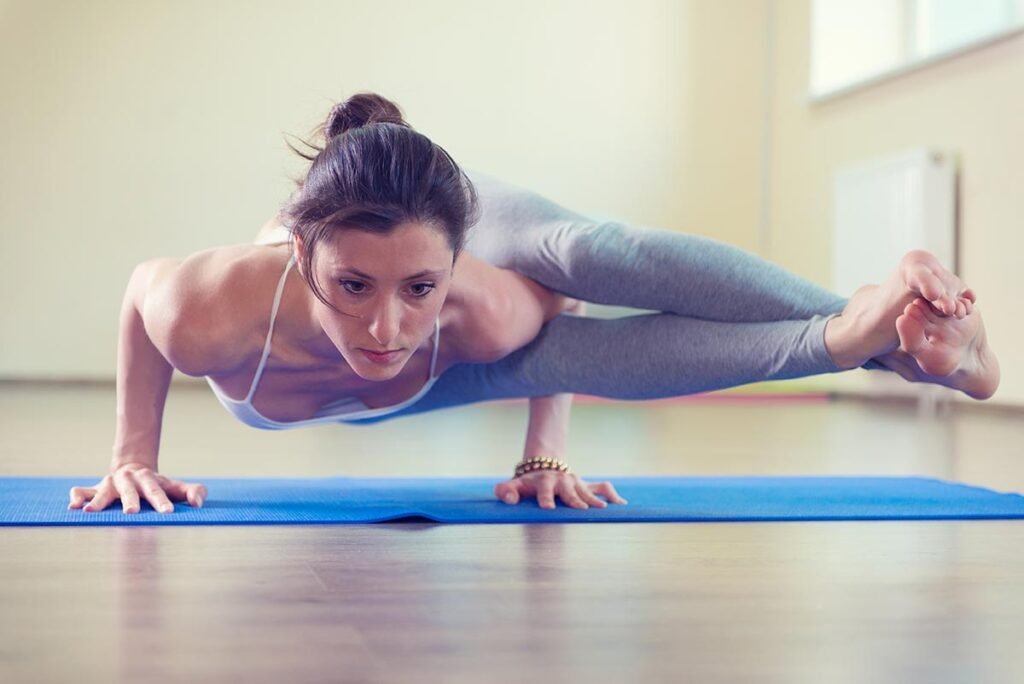
There is nothing more distracting in a yoga session than hands sliding forward in downward dog or feet creeping apart in warrior poses. Learning how to keep a yoga mat from slipping without a towel gives you a steadier practice without adding extra gear to manage. A towel draped over a mat bunches up, shifts mid-pose, and needs constant adjusting, so fixing the slip at its source is a far better solution.
Mats slip for a few clear reasons: a new mat still coated in factory film, sweat on hands and feet, dust or lotion residue on the surface, a mat that does not suit your practice style, or a smooth floor underneath. Each cause has a fix, and most of them cost nothing. Work through them in order, and you will usually find the problem disappears without buying anything new.
First, Break In a New Mat
Brand-new mats are the worst offenders. Manufacturers coat many mats, especially PVC and TPE varieties, with a thin film that keeps them looking pristine in packaging but makes them slippery for the first few sessions. Breaking in the mat removes that film and opens up the surface texture.
Wash a new mat before its first use. Wipe it with a damp cloth and a drop of mild dish soap, rinse lightly, and let it air dry completely, out of direct sunlight. Some practitioners also recommend a gentle salt scrub on new PVC mats: sprinkle fine sea salt over a damp mat, rub lightly, leave it for a day, then wipe clean. Skip the salt scrub on natural rubber mats, which can be damaged by abrasion.
Simply using the mat helps too. Most mats gain noticeable grip after five to ten sessions as the surface wears in. If your mat is brand new, practice a few shorter sessions at home first rather than judging it on day one.
Clean Your Mat Regularly for Grip
Dust, body oils, and lotion residue build up invisibly and kill grip. A mat that used to grip well and now slides is usually just dirty. Clean it weekly if you practice often, or at least twice a month for occasional use.
For most closed-cell mats, wipe with a cloth dampened with water and a small amount of mild soap, then wipe again with clean water to remove soap residue, since soap left behind is itself slippery. For open-cell natural rubber mats, use water only or a dedicated mat cleaner, and never soak the mat, which damages the material. Always air dry completely before rolling it up, since trapped moisture breeds odor and degrades grip.
Clean your hands and feet before practice as well. Lotion, moisturizer, and even natural skin oils reduce friction, so wash your hands and feet with soap and dry them fully before stepping on the mat. This one habit alone solves slipping for many people.
Use Grip Techniques in Your Poses
Technique matters as much as equipment. In many poses, slipping comes from pushing weight into the wrong part of the hand or foot. Spread your fingers wide and press down through the knuckles and fingertips, not just the palm, which creates a suction-like grip on the mat. In standing poses, press through the whole foot, especially the big toe mound and the heel, and engage the arch rather than letting the foot go flat and slide.
Slow down transitions. Rushing from pose to pose with sweaty hands invites sliding, while deliberate movement lets you reset your grip each time. In downward dog, walk your hands slightly closer to your feet if your shoulders allow it, which reduces the sliding force on your hands. In plank, stack your shoulders over your wrists and engage your core, so your body weight drives down into the mat instead of forward.
If your hands sweat heavily, a small amount of liquid chalk or a rosin-based grip aid made for yoga can help. Apply a thin layer to palms and soles before practice. These products increase friction without the bulk of a towel and wash off easily afterward.
Fix the Surface Underneath the Mat
Sometimes the mat is not the problem; the floor is. A mat on a polished wood or tile floor can slide as a single unit, which feels exactly like a slippery mat surface. Test this by pressing the mat and trying to push it across the floor. If the whole mat moves, fix the underside.
Place a thin non-slip rug pad or shelf liner underneath the mat. Both are inexpensive, add almost no height, and grip both the floor and the mat. A damp towel underneath the mat, rather than on top of it, also works in a pinch and stays out of your way. Avoid practicing on freshly polished or waxed floors whenever possible.
Also check that your mat lies flat. A mat that curls at the edges rocks and shifts during practice. Flatten a new or long-stored mat by unrolling it upside down overnight, or by placing heavy books on the curled corners for a few hours.
Choose the Right Mat for Your Practice
Different materials grip differently, and the right mat depends on how you practice. Natural rubber mats offer the best grip, especially for sweaty practices such as power yoga or hot yoga, because rubber becomes grippier when damp. TPE mats are lighter and easier to carry but can feel slippery until broken in. PVC mats sit in the middle and improve with use.
Thickness matters too. A very thick, cushy mat feels comfortable but can wobble during balance poses, which reads as slipping. A mat between 4 and 6 millimeters thick gives a good balance of cushion and stability for most people. If you practice on hard floors and need joint cushioning, use a thinner mat with a rug pad underneath rather than an extra-thick mat.
Texture is the final factor. Mats with an etched or textured surface grip better than perfectly smooth ones. When shopping, run your palm across the mat: a surface with a slight grain or pattern will hold up better than a glossy one.
Build a Consistent, Distraction-Free Practice
Slipping often gets worse when practice is rushed or distracted. Set up your space before you begin: mat flat, water nearby, phone on silent, and enough room to extend fully in every direction. A calm setup means fewer mid-practice adjustments and less sweat from frustration.
Consistency helps your body too. A regular practice time, especially a morning session, lets your body warm up the same way each day, and warm muscles grip and balance better than cold ones. If you often wake in the night and struggle to get back to sleep, your morning practice will feel harder than it should, so it is worth sorting out that pattern first. These tips to fall back asleep after waking at 3am without your phone can help protect the sleep that makes a steady morning practice possible.
Warm up before demanding poses. A few minutes of gentle movement, cat-cow, shoulder rolls, and easy standing poses, warms your hands and feet and activates the muscles that stabilize you. Jumping straight into a challenging balance pose with cold, dry hands is a recipe for sliding.
Mistakes That Make Mats Slipperier
The most common mistakes are using lotion right before practice, cleaning with harsh chemicals that leave residue, soaking a natural rubber mat, practicing on a polished floor without an underlayer, and giving up on a new mat before it is broken in. Another is wearing socks: ordinary socks slide badly on mats. If you need foot coverage, use yoga socks with silicone grips on the soles.
Avoid spraying a mat with water to increase grip unless the mat is natural rubber, which genuinely grips better when slightly damp. On PVC or TPE mats, added water usually makes slipping worse.
This article is for informational purposes only and is not medical advice. If slipping causes repeated falls, joint pain, or injury, or if you have a medical condition affecting balance, consult a qualified professional before continuing a challenging practice.
Frequently Asked Questions
Why is my new yoga mat so slippery?
New mats carry a factory coating that makes them slippery. Wash the mat with mild soap and water, let it dry fully, and use it for several sessions. Grip usually improves noticeably after five to ten practices.
Do grip sprays work better than a towel?
For most people, yes. A light grip aid or liquid chalk increases hand and foot friction without bunching or shifting, which is the main drawback of a towel on top of a mat.
Should I wet my mat to stop slipping?
Only on natural rubber mats, which grip better when slightly damp. On PVC or TPE mats, water makes slipping worse, so keep those mats dry and clean instead.
Are thicker mats less slippery?
Not necessarily. Very thick mats can wobble during balance poses, which feels like slipping. A 4 to 6 millimeter mat usually offers the best balance of cushion and stability.
How often should I clean my yoga mat?
Wipe it down weekly if you practice several times a week, and at least twice a month for occasional practice. Always remove soap residue and air dry completely before rolling it up.
Can I use a towel under my mat instead of on top?
Yes. A towel or non-slip rug pad underneath the mat stops the whole mat sliding on smooth floors, and it stays out of your way during poses, unlike a towel on top.