
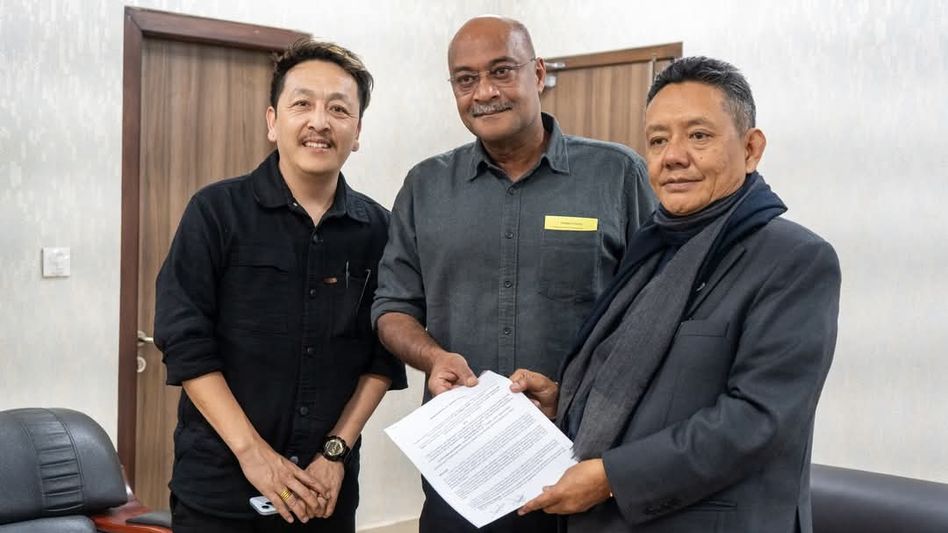
On March 7, 2025, the Arunachal Pradesh government took a significant step toward improving education in its remote border areas by partnering with the 17000 Ft Foundation. This collaboration, formalized through a Memorandum of Understanding (MoU), aims to uplift learning opportunities for children in some of the state’s most isolated regions, reinforcing a commitment to educational equity and development.
A New Chapter for Border Education
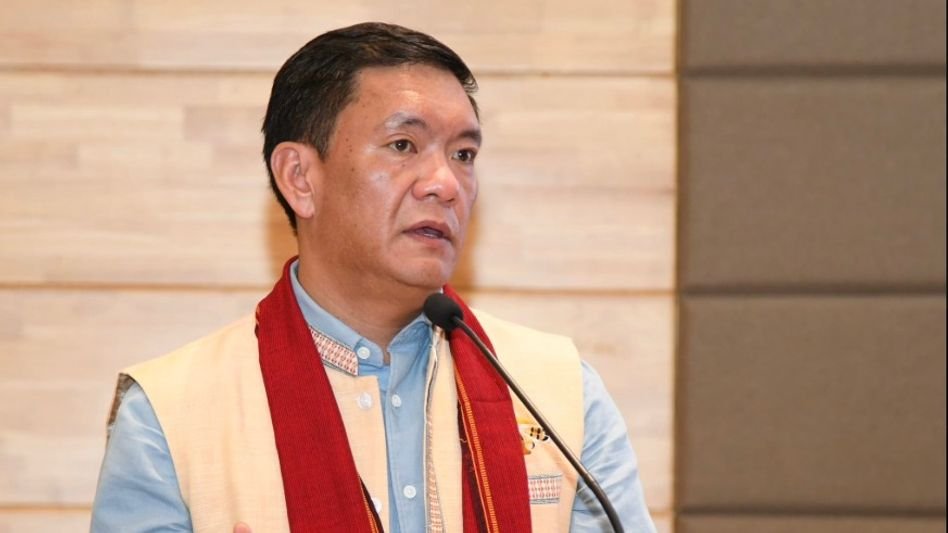
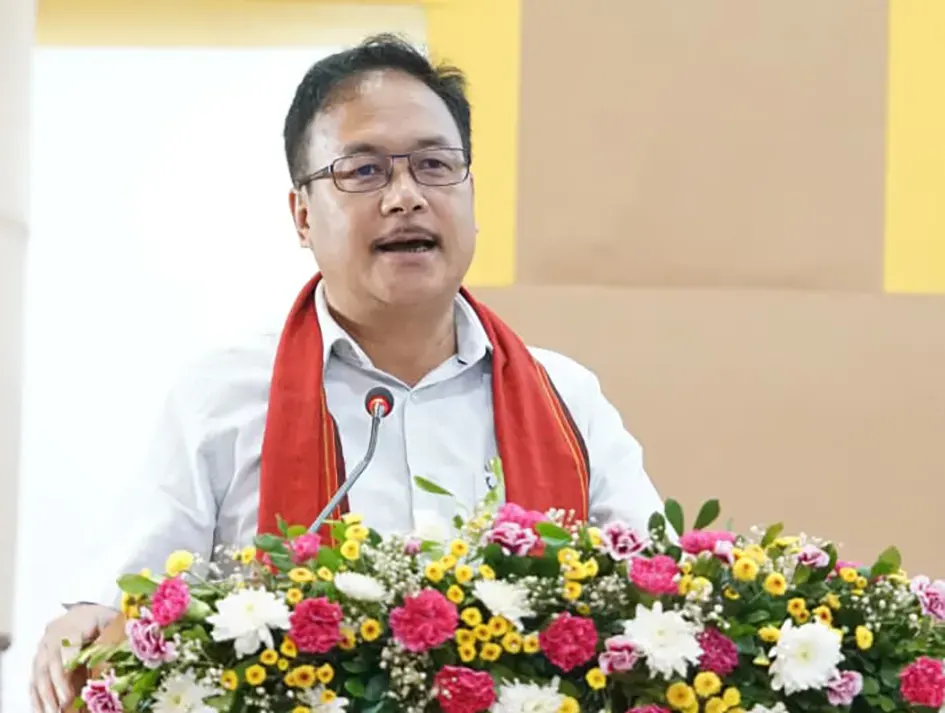
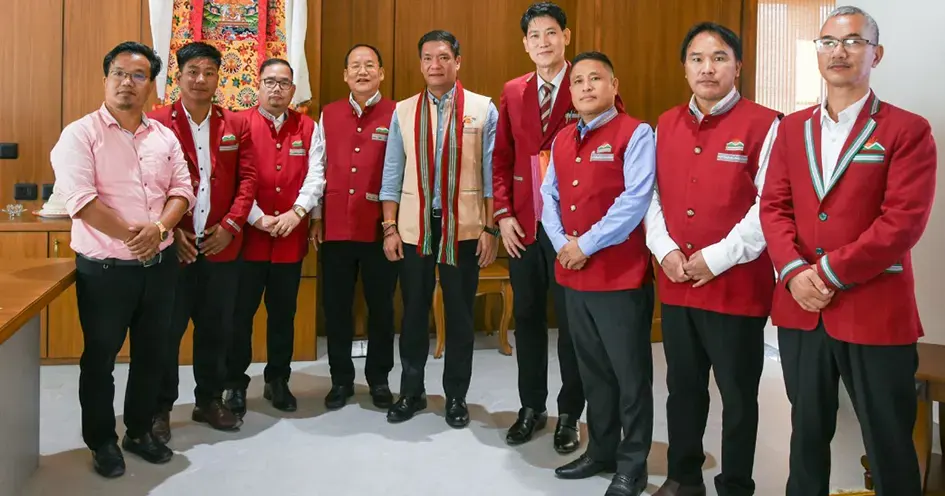
The MoU was signed between the state’s Department of Education and the 17000 Ft Foundation, a non-profit known for its work in high-altitude and underserved communities. The agreement was celebrated during a ceremony in Itanagar, attended by key figures including Education Minister Pasang Dorjee Sona and representatives from the foundation. This partnership is designed to address the unique challenges faced by schools in Arunachal Pradesh’s border villages, where rugged terrain and limited resources have historically hindered access to quality education.
The initiative focuses on strengthening school infrastructure, enhancing teacher training, and introducing innovative learning programs tailored to the needs of these remote areas. By leveraging the foundation’s expertise, the state aims to create a sustainable model for education that can thrive despite geographic and logistical barriers.
Empowering Remote Communities
Arunachal Pradesh, with its vast stretches of mountainous terrain along India’s northeastern frontier, includes numerous border villages that often lack basic amenities. The collaboration with 17000 Ft Foundation seeks to bridge this gap by prioritizing schools in these hard-to-reach locations. The effort is part of a broader vision to ensure that children in every corner of the state have access to the tools and opportunities they need to succeed.
Education Minister Pasang Dorjee Sona highlighted the transformative potential of the partnership, noting that it aligns with the government’s goal of fostering inclusive growth. The initiative will also support community engagement, encouraging local involvement to sustain long-term educational improvements.
Building a Brighter Future
The partnership is expected to roll out practical measures such as upgrading school facilities, providing digital learning resources, and training educators to adapt to the region’s unique conditions. These efforts aim to boost enrollment and reduce dropout rates, ensuring that students in border areas can compete on an equal footing with their peers elsewhere.
By combining the state’s resources with the foundation’s experience in remote education, this collaboration promises to lay a strong foundation for progress. It reflects a shared commitment to turning Arunachal Pradesh’s border villages into vibrant hubs of learning and opportunity, contributing to both local development and national goals.
A Step Toward Equity
The MoU signing marks a hopeful beginning for Arunachal Pradesh’s education sector, particularly in its most isolated regions. As the partnership takes shape, it is poised to bring meaningful change to communities that have long been overlooked, offering a model that could inspire similar efforts across India’s northeastern states. With this initiative, Arunachal Pradesh is paving the way for a future where geography no longer limits a child’s potential.