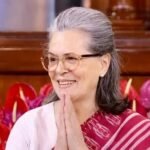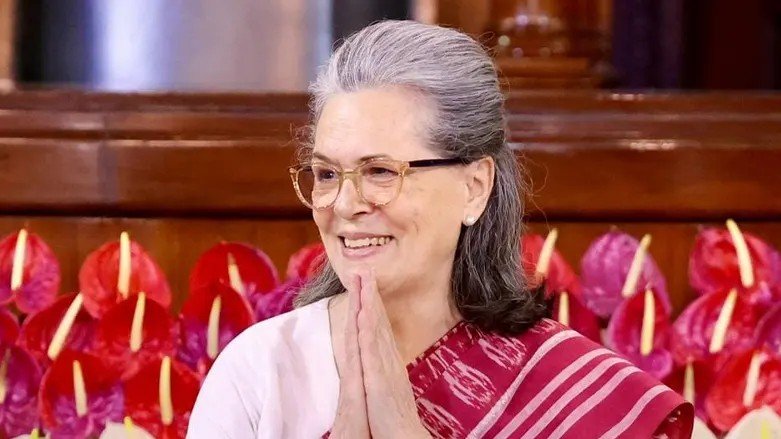
Congress Parliamentary Party Chairperson Sonia Gandhi has recalled the emotional turmoil she experienced while deciding against taking up the post of Prime Minister after the Congress-led United Progressive Alliance’s victory in the 2004 general elections, describing a conflict between duty to the party, personal reservations and the absence of her late husband Rajiv Gandhi’s guidance.
The reflections, shared in a new book, revisit one of the most consequential decisions in recent Indian politics. After the UPA’s surprise victory, she was widely expected to become Prime Minister and the party was prepared to back her. She declined, and Manmohan Singh led the government for the next decade.
What her children said
According to the account, Rahul Gandhi and Priyanka Gandhi did not want their mother to become Prime Minister. Their opposition weighed on an already difficult decision, caught between the expectations of the party she led and her own reservations about taking the country’s top executive office. The absence of Rajiv Gandhi, assassinated in 1991, left her without the counsel she would have valued most.
The revelation adds a personal dimension to a decision usually discussed in purely political terms, as a sacrifice for the party or a strategic calculation about her foreign origin, which the BJP had made a central campaign issue.
Why the decision still matters
The choice shaped a decade of Congress politics. Manmohan Singh’s two terms defined the UPA years, from the Indo-US nuclear deal and the rural employment guarantee to the Right to Information Act, while Sonia Gandhi remained the party’s centre of gravity as UPA chairperson and Congress president. The arrangement, with political authority and executive office held by two different people, was praised by supporters as a model of restraint and criticised by opponents as power without accountability.
Two decades on, the episode is still revisited as a turning point: had she accepted, the Congress and the country would have taken a different path. Her account offers the most direct glimpse yet into how the decision was actually made, inside the family rather than in a party meeting.
The party Sonia Gandhi still leads in Parliament has changed considerably since 2004. The Congress now sits in opposition at the Centre, and its fortunes vary sharply from state to state. The BJP’s recent bypoll win in Nagaon ended a seven-year Congress run in the seat, while the party’s allegations over the voter-roll revision in Arunachal Pradesh have drawn a sharp response from the BJP, showing that the contest between the two parties remains as pointed as ever.
#SoniaGandhi #Congress #RahulGandhi #PriyankaGandhi #UPA #2004Elections #ManmohanSingh #IndianPolitics