Learning how to remove sticker residue from glass without Goo Gone is handy because sticky labels show up everywhere: on new drinking glasses, pasta sauce jars you want to reuse, thrift store vases, wine bottles saved for crafts, and windows after a holiday decoration comes down. Commercial adhesive removers work well, but they are not always in the house when you need them, they can be expensive for a small job, and some people prefer not to use strong solvents indoors. The good news is that glass is one of the easiest surfaces to clean, because it is smooth, nonporous, and tough enough to handle heat, oil, and scrubbing that would damage plastic or wood. With the right method for the type of sticker you are facing, you can get glass perfectly clear using ordinary kitchen supplies.
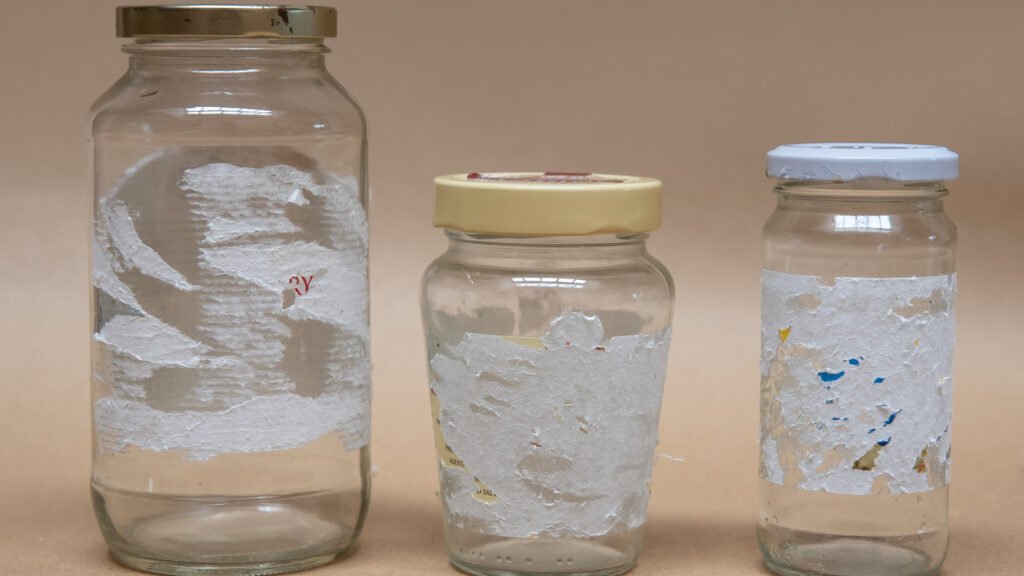
Sticker residue is simply adhesive left behind after the paper or plastic top layer has been removed. Some stickers peel off cleanly, leaving almost nothing behind. Others, especially old price stickers, shipping labels, and labels that have been through a dishwasher or sat in sunlight, leave a tacky film that collects dust and feels unpleasant to touch. The trick is to soften that adhesive first, then lift it away, rather than scraping at dry glue, which only smears it around and can scratch the glass. The methods below are arranged from gentlest to strongest, so start at the top and move down only if the residue remains.
Start by Peeling the Sticker Properly
Before reaching for any cleaner, peel the sticker itself as cleanly as you can, because less leftover paper means less residue to remove. Start at one corner and peel slowly at a low angle, pulling back over the sticker rather than straight up. If the sticker tears, stop and start a new corner rather than picking at shreds with your fingernails, which pushes adhesive deeper into tiny scratches in the glass.
Heat makes peeling much easier. Hold a hair dryer on a medium setting a few inches from the sticker for thirty to sixty seconds, moving it back and forth so the glass warms evenly. Warm adhesive softens and releases its grip, so the sticker often lifts off in one piece. For jars and bottles, you can also run hot tap water over the outside of the glass for a minute, or soak the item in hot water for ten to fifteen minutes. Take care with very hot water on thin or chilled glass, which can crack from a sudden temperature change, and never pour boiling water into a cold jar.
If the sticker leaves paper shreds behind, do not worry. Soaking in hot, soapy water will loosen most paper labels within fifteen to thirty minutes, and you can then rub the paper off with a cloth or a plastic scraper. Vinyl stickers and clear labels do not absorb water, so soaking alone rarely removes them, and those are the cases where the oil or heat methods below earn their keep.
Method 1: Cooking Oil for Stubborn Adhesive
Cooking oil is the most reliable household substitute for a commercial adhesive remover, because most sticker adhesives dissolve in oil. Rub a small amount of vegetable oil, olive oil, or coconut oil directly onto the sticky area with your fingers or a cloth, and let it sit for five to ten minutes. The oil seeps into the adhesive and breaks down its grip on the glass. Then rub the area in small circles with a cloth or paper towel, and the residue should roll up into small clumps that wipe away easily.
For residue that has hardened over months, leave the oil on longer, up to thirty minutes, or apply a second coat after wiping off the first. A paste made from equal parts oil and baking soda adds gentle abrasion that helps lift stubborn spots without scratching glass. Rub the paste over the residue, let it sit for a few minutes, then wipe it off. This combination handles most price stickers, tape residue, and label glue in a single attempt.
Oil leaves its own film behind, so the final step matters. Wash the glass with hot water and dish soap, scrubbing briefly, then rinse well and dry with a clean towel. If the glass will hold food, wash it twice to be sure no oil flavor remains. For drinking glasses and jars, this soap wash is essential, because even a thin oil layer can affect taste and can make the glass look cloudy once it dries.
Method 2: Vinegar and Hot Soapy Water
White vinegar is a good choice when you want a method that rinses clean with no oily film. Soak a cloth in undiluted white vinegar, lay it over the sticky area, and leave it for five to ten minutes. The vinegar softens many water-based adhesives, and the residue can then be rubbed or scraped away. For a jar, you can also fill it with hot water and add a generous splash of vinegar, then let it soak before scrubbing the outside.
Vinegar works best on fresh residue and paper-label glue. On old, hardened adhesive it may need a second application, or a longer soak, and it may not fully dissolve the tougher adhesives used on vinyl stickers and some shipping labels. In those cases, use vinegar as a first pass to remove the loose layers, then follow with oil for whatever remains. The two methods complement each other, and using vinegar first reduces the amount of oil you need.
Hot, soapy water on its own also deserves a try before stronger methods, especially for jars. Fill a basin with the hottest tap water you can comfortably handle, add dish soap, and soak the jar for twenty to thirty minutes. Many paper labels slide off on their own, and the remaining glue rubs away with a sponge. This method is free, gentle, and ideal when you are cleaning several jars at once for storage or crafts.
Method 3: Heat, Steam, and Scraping Safely
Heat is often enough on its own for vinyl stickers, bumper stickers on glass, and labels that have baked in sunlight. A hair dryer softens the adhesive so you can peel the sticker and then roll the remaining residue off with your thumb or a cloth. Work in small sections, heating and peeling gradually, rather than heating the whole surface at once and letting it cool before you finish.
For flat glass such as windows and mirrors, a razor scraper designed for glass is a fast and effective tool, but it must be used correctly. Hold the blade flat against the glass at a low angle, keep the surface wet with soapy water, and push in smooth, even strokes. Never use a razor on dry glass, on coated or tinted glass, or on glass with a frosted or textured finish, because the blade can scratch coatings and textures. When in doubt, test in a small corner first, or stick to the oil method, which cannot scratch glass.
A plastic scraper, an old credit card, or a plastic putty knife is a safer everyday alternative. These tools remove softened residue without risking scratches, and they work well after an oil or vinegar soak. Avoid metal scouring pads and abrasive powders on glass you care about, since they can leave fine scratches that show up in sunlight even if they are invisible indoors.
Method 4: Baking Soda Paste and Rubbing Alcohol
A paste of baking soda and a little water, or baking soda mixed with oil as described above, is a gentle abrasive that lifts residue while polishing the glass. Apply the paste with a soft cloth, rub in circles over the sticky area, and rinse. This method is particularly useful for the thin, hazy film that remains after the main sticker has been removed, the kind of film that feels slightly tacky but is barely visible.
Rubbing alcohol is another strong option, and it evaporates cleanly with no residue of its own. Dampen a cloth or cotton pad with rubbing alcohol, hold it on the sticky spot for a minute, then rub. Alcohol dissolves many adhesives quickly and is excellent for small areas such as the neck of a bottle or a spot on a window. Work in a ventilated room, keep alcohol away from open flames, and do not use it on glass that has a decorative coating or painted design, which alcohol can damage.
Different Glass, Different Approach
Jars and bottles are the easiest case, because you can soak them, scrub them, and wash them thoroughly afterward. Remove metal lids before soaking if they rust easily, and dry jars completely before storing them, since trapped moisture leads to musty smells. For jars you plan to reuse for food, wash with hot soapy water after any oil or alcohol treatment, and skip methods that leave a scent, such as strongly scented oils.
Windows and mirrors need a streak-free finish, so the final wash matters most. After removing the residue, clean the whole pane with a vinegar and water solution or your usual glass cleaner, and dry with a lint-free cloth or newspaper. This removes the faint haze that oil or soap can leave, which is easy to miss indoors but obvious in sunlight. For more general sticker removal advice, including surfaces where heat and scraping need extra caution, see how to remove stickers from a laptop without leaving residue, which explains why the surface underneath a sticker changes the method you should choose.
Drinking glasses, vases, and decorative glass need the gentlest touch, especially if they are thin, hand-painted, or antique. Avoid razor scrapers and strong abrasives on these pieces, and test any method on a hidden spot first. For painted or gilded glass, oil and gentle rubbing are usually safer than alcohol or vinegar, which can soften paint. If a piece is valuable or irreplaceable, stop at the gentlest method that works, even if a faint trace remains.
Mistakes That Make Residue Worse
The most common mistake is scraping dry adhesive with a fingernail, a knife, or a scouring pad. Dry scraping smears glue across a wider area, presses it into micro-scratches, and risks scratching the glass itself. Always soften the adhesive first with heat, water, oil, or a solvent, and only then scrape or rub.
Another mistake is using the wrong cleaner for the job and giving up too soon. Vinegar will not dissolve every adhesive, and oil will not remove paper that is still dry and intact. Match the method to the sticker: soak paper labels, use oil or heat for vinyl and hardened glue, and use alcohol for small, stubborn spots. If one method removes only part of the residue, that is progress, not failure; follow it with a different method for the remainder.
A third mistake is skipping the final wash. Oil, baking soda paste, and soap all leave films that attract dust and make glass look cloudy. A quick wash with hot soapy water, followed by a rinse and a thorough dry, is what turns a clean-feeling jar into a truly clear one. For windows, a final glass-cleaner wipe removes the last haze and leaves the pane invisible, which is the whole point.
Quick Method Chooser
For a fresh paper label on a jar, soak in hot soapy water and rub off. For a price sticker on a new glass, warm it with a hair dryer, peel slowly, and wipe the trace with oil. For an old, hardened sticker on a bottle, apply oil, wait thirty minutes, and scrub with a baking soda paste. For a window decal, use heat to peel, a razor scraper on wet soapy glass for flat panes, and a final glass cleaner wipe. For a tiny spot on a drinking glass, rubbing alcohol on a cotton pad is the fastest fix.
Keep these supplies together and the job stops feeling like a project: a bottle of white vinegar, a small bottle of cooking oil, baking soda, dish soap, rubbing alcohol, a plastic scraper, and a few clean cloths. With that kit, almost any sticker on glass can be removed in under fifteen minutes, and most in under five. The only jobs that take longer are large decals and labels that have been baked on by sun or heat, and even those yield to patience and a second application.
FAQs
What removes sticker residue from glass the fastest?
For most stickers, cooking oil or rubbing alcohol is fastest. Oil dissolves the adhesive in five to ten minutes, and alcohol works in about a minute on small spots. Heat from a hair dryer is fastest for peeling the sticker itself before any residue forms.
Can I use vinegar to remove sticker residue from glass?
Yes, vinegar softens many paper-label adhesives and rinses clean. Soak a cloth in white vinegar, hold it on the residue for five to ten minutes, then rub. For vinyl stickers or old hardened glue, follow vinegar with oil for the remainder.
Will oil damage glass jars used for food?
No, as long as you wash the jar thoroughly afterward with hot water and dish soap. Wash twice if the jar will hold food, and dry it completely before storing, so no oil flavor or moisture remains.
Is it safe to use a razor blade on a window?
Yes, on plain flat glass, if the blade is held flat at a low angle and the glass stays wet with soapy water. Do not use a razor on coated, tinted, frosted, or textured glass, and test a corner first if you are unsure about the coating.
How do I remove residue from a wine bottle for crafts?
Soak the bottle in hot soapy water to remove the paper, then rub any remaining glue with oil or a baking soda and oil paste. Wash with soap and water, rinse, and dry. The label area will be smooth and ready for paint or decoration.
Why does sticker residue keep coming back after cleaning?
It usually has not come back; a thin film was left behind by the cleaner itself, often oil or soap, and it collects dust. Wash the glass again with hot soapy water, rinse well, and dry with a lint-free cloth to remove that final film.