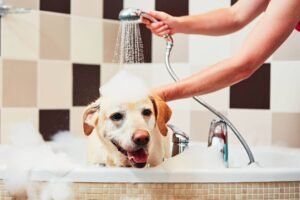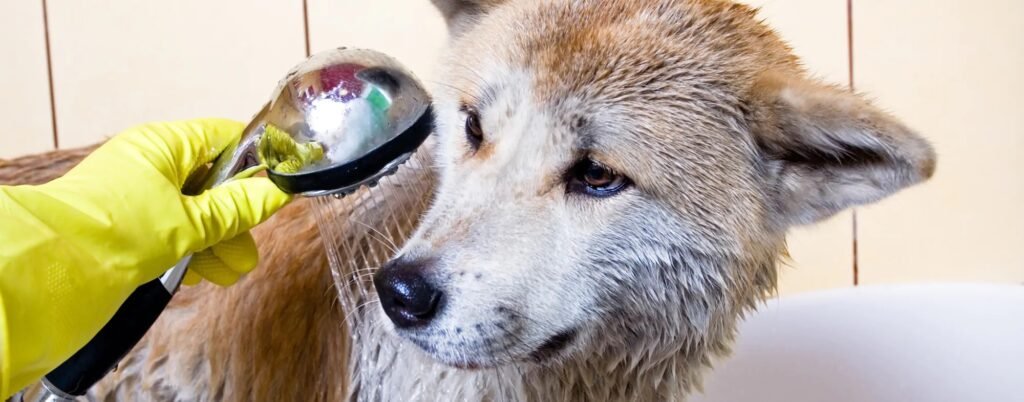
If your dog has just tangled with a skunk, you probably already know the classic advice: bathe the dog in tomato juice. Generations of dog owners have tried it, and generations have discovered the same disappointing truth. Tomato juice mostly masks the smell for a little while, stains light-colored fur a faint pink, and leaves you with a dog that smells like a skunk that has been marinating in tomato soup. Learning how to get rid of skunk smell on a dog without tomato juice is not only possible, it is considerably more effective, because the right approach actually breaks down the smelly compounds instead of just covering them up.
Skunk spray is an oily liquid, and that oiliness is the whole problem. It clings to fur, soaks into skin oils, and resists plain water and ordinary shampoo. A wash that cuts through oil and chemically neutralizes the sulfur compounds in the spray is what you need, and the good news is that the ingredients are probably already in your kitchen.
Why Tomato Juice Does Not Really Work
Tomato juice became the folk remedy for skunk odor long before anyone understood the chemistry involved. The strong smell of tomatoes can temporarily overwhelm your nose, which creates the illusion that the skunk smell is gone. In reality, the acidic juice does very little to the oily, sulfur-based compounds in skunk spray. Once the tomato smell fades, the skunk odor is still there, often just as strong as before.
There are practical downsides too. Tomato juice is messy, it takes a large amount to cover a medium or large dog, and it can tint white or light-colored coats. It can also irritate eyes if it runs down the face.
Act Fast, But Stay Calm
The sooner you treat a sprayed dog, the easier the job will be. Skunk oil binds more tightly to fur the longer it sits, and a dog that rolls on the carpet, rubs against furniture, or shakes off in the living room will spread the oil to everything it touches. Keep the dog outside if you can, and keep it from coming indoors until the first wash is done.
Before you start, check your dog over. Skunk encounters sometimes involve bites or scratches, especially if the dog cornered the animal. Look for wounds, swelling, or bleeding, and check the eyes for redness, watering, or pawing. If the dog was bitten, seems dazed, or has trouble seeing, contact a veterinarian promptly rather than focusing on the smell. A dog that is simply smelly but otherwise alert, eating, and moving normally can usually be bathed at home.
Work in a well-ventilated area, ideally outdoors or in a garage or laundry room with the door open. Wear old clothes and rubber gloves, because skunk oil transfers readily to hands and fabric, and you do not want to carry the smell around on your own skin and sleeves afterward.
The Homemade De-Skunking Wash That Works
The most widely recommended homemade wash for skunk odor is a simple mixture of three household items. It is inexpensive, easy to make, and far more effective than tomato juice because the combination attacks the odor compounds directly while cutting through the oily base that carries them.
What you will need
For a medium-sized dog, mix one quart of 3 percent hydrogen peroxide, one quarter cup of baking soda, and one teaspoon of liquid dish soap. Scale the amounts up for a large dog or down for a small one, keeping roughly the same proportions. Use plain, unscented dish soap if you have it, since heavy fragrances can irritate skin and make it harder to tell whether the skunk smell is actually gone.
Mix the solution just before you use it. This is important: the mixture loses its power quickly once combined, and it should never be stored in a sealed container, because it can build up pressure. Make a fresh batch for each wash. If your dog needs a second wash, mix a second fresh batch rather than saving the first one.
Do not substitute stronger hydrogen peroxide from a hair-coloring kit or a first-aid supply that is not labeled 3 percent. The standard 3 percent solution sold at drugstores is the right strength for this job. Stronger solutions can irritate skin and lighten fur. Likewise, do not add vinegar, bleach, or extra cleaning products to the mix. Bleach in particular should never be used on a dog, and combining cleaners can create irritating fumes and damage the coat.
A note on the recipe and safety
This wash is a household remedy, not a veterinary treatment. It is widely published in pet-care guides, and most dogs tolerate it well for a one-time bath, but it is still a chemical mixture going onto skin. Keep it out of the eyes, ears, and mouth, rinse thoroughly, and stop and rinse immediately if your dog shows signs of skin irritation. If your dog has open wounds, a skin condition, or very sensitive skin, talk to your veterinarian before using it.
Step-by-Step: Washing the Skunk Smell Out
Step 1: Keep the fur dry to start
Resist the urge to hose the dog down first. Water can spread the skunk oil over a wider area and drive it deeper into the coat. Instead, work the wash into the dry fur. This lets the mixture contact the oil directly, which is where it does its best work. If the dog is soaking wet from rain or a creek, towel off as much water as you can first.
Step 2: Apply the wash thoroughly
Pour or sponge the mixture over the sprayed areas, working it deep into the fur all the way down to the skin. Skunks usually aim for the face, neck, and front of the body, but check the whole dog, including the chest, legs, and belly, because a rolling, excited dog spreads the spray around. Massage the mixture in gently for several minutes, the way you would work in shampoo, making sure no patch of smelly fur is missed.
Step 3: Protect the face and eyes
The face needs special care. Skunk spray in the eyes causes watering, redness, and squinting, and you should never pour the wash over the face. Instead, dampen a washcloth with the mixture, wring it out, and carefully wipe the muzzle, cheeks, and forehead, steering well clear of the eyes. For the area right around the eyes, use a cloth dampened with plain warm water only. If the eyes are red, swollen, or the dog keeps pawing at them, rinse the eyes gently with lukewarm water or saline and call a veterinarian if the irritation does not settle.
Step 4: Let it sit, then rinse well
Let the mixture sit on the coat for about five to ten minutes. This dwell time matters, because the neutralizing action is not instant. Keep the dog calm and still during this period, and keep the mixture away from the eyes. Then rinse thoroughly with warm water until the water runs clear and the coat no longer feels slippery or soapy. Leftover residue can dry the skin and coat, so take the time to rinse well.
Step 5: Follow with a regular dog shampoo
After rinsing out the de-skunking wash, give the dog a normal bath with a gentle dog shampoo. This removes any remaining residue, restores some moisture to the coat, and leaves the dog smelling clean rather than chemical. Rinse again thoroughly, then towel dry. A dog that is still slightly damp may smell faintly of skunk even when the treatment worked, so dry the coat as completely as you can before judging the result.
Step 6: Repeat only if needed
One thorough wash is usually enough, but a heavy, direct hit may need a second round. If a distinct skunk smell remains once the dog is fully dry, repeat the whole process with a freshly mixed batch. Avoid washing the dog over and over in a single session, since repeated washing strips natural oils from the skin and can cause dryness and itching. Two rounds in one session is a reasonable limit; if the smell is still strong after that, let the coat rest and try again the next day.
Do Not Forget the Collar, Leash, and Bedding
One of the most common reasons the smell seems to return is that the dog’s gear was never cleaned. Collars, harnesses, and leashes absorb skunk oil readily, and putting a freshly washed dog back into a smelly collar undoes much of your work. Wash fabric collars and leashes in the same type of mixture or run them through a washing machine with regular detergent and a cup of baking soda. Leather collars can be wiped down with a damp cloth and mild soap, then conditioned once dry, although heavily sprayed leather may hold a faint odor for a while.
Bedding, blankets, and any towels the dog contacted should go through the washing machine with detergent and baking soda. For items that cannot be machine washed, sprinkle baking soda generously over the surface, leave it for several hours or overnight, then vacuum thoroughly. If the dog got into the car, wipe hard surfaces with a diluted dish soap solution and sprinkle baking soda on fabric seats and carpets before vacuuming.
Why the Smell Sometimes Comes Back
Many owners report that the skunk smell returns when the dog gets wet, even weeks after a successful bath. This happens because tiny traces of skunk oil can remain bound in the coat, and moisture reactivates the odor compounds so your nose picks them up again. It does not mean the wash failed, and it does not mean the dog was sprayed again.
If the returning smell is faint, a normal bath with dog shampoo often settles it. If it is strong, repeat the de-skunking wash once. Over time, as the coat sheds and regrows and the dog is bathed normally, the residual odor fades completely.
Mistakes to Avoid
The biggest mistake is reaching for tomato juice or plain shampoo first. Shampoo alone can spread the oil without neutralizing it, making the job harder. Another common error is wetting the dog before applying the de-skunking mixture, which dilutes the treatment and spreads the oil. Skipping the dwell time is another one: pouring the mixture on and rinsing it straight off gives it little chance to work.
Using the wrong products is also a problem. Bleach, vinegar rinses, and harsh household cleaners can irritate skin, damage the coat, and in the case of bleach, genuinely harm the dog. Strong peroxide can lighten dark fur, which is another reason to stick to the standard 3 percent solution. Finally, do not forget the environment. A clean dog in a smelly house, car, or collar will smell skunky again within hours, so clean the gear and the spaces the dog uses as part of the same job.
Preventing the Next Skunk Encounter
Skunks are most active at dawn, dusk, and overnight, which is when most encounters happen. If skunks are common in your area, keep dogs leashed or supervised during those hours, especially in yards near wooded edges, brush piles, or gardens. A motion-activated light in the yard can discourage nighttime visitors, and securing trash cans, removing fallen fruit, and not leaving pet food outdoors will make your yard less attractive to skunks in the first place.
Training a reliable recall helps more than any gadget. A dog that comes when called is far less likely to chase a skunk into a corner, and most sprayings happen when a curious dog corners or pounces on the animal. If you see a skunk in the yard, bring the dog inside calmly rather than shouting or chasing, since a panicked dog is more likely to bolt straight toward the intruder.
When to Call the Veterinarian
Most skunk encounters are smelly rather than dangerous, but some situations need professional attention. Call a veterinarian if your dog was bitten or scratched, if the eyes stay red, swollen, or painful after gentle rinsing, if the dog vomits repeatedly, has trouble breathing, drools excessively, or seems lethargic or disoriented. Dogs that are not current on rabies vaccination need particular attention after any encounter with a wild animal, so check the vaccination record and mention the encounter to your veterinarian even if the dog seems fine.
This article is for informational purposes only and is not veterinary advice. It describes a widely used household cleaning method, not a medical treatment. If your dog shows concerning symptoms after a skunk encounter, or if you are unsure whether a bite or eye injury has occurred, consult a qualified veterinarian promptly rather than relying on home care.
For more calm-night help, see our guide on stopping a dog from barking at night without a bark collar.
Frequently Asked Questions
How long does skunk smell last on a dog?
With a proper de-skunking wash, most of the smell is gone after one or two baths. A faint odor may return when the coat gets wet for a while afterward, but it fades over days to weeks as the coat sheds and is bathed normally. Without treatment, the smell can linger for weeks.
Can I use tomato juice if I have nothing else?
You can, but expect a disappointing result. Tomato juice mainly masks the odor temporarily and can stain light fur. Even in a pinch, a simple wash with dish soap and baking soda will do more than tomato juice, and the full peroxide mixture is far better still.
Is the homemade skunk wash safe for puppies?
Very young puppies have delicate skin, so use extra caution. Keep the mixture away from the eyes and mouth, rinse extremely thoroughly, and follow with a gentle puppy shampoo. If the puppy is very young, has skin problems, or was bitten, check with a veterinarian first.
Will the wash lighten my dog’s fur?
The standard 3 percent hydrogen peroxide mixture can slightly lighten dark fur if left on too long, but a single wash of five to ten minutes rarely causes a noticeable change. Sticking to the recommended strength and dwell time, and rinsing well, keeps this risk low.
What if my dog was sprayed in the face?
Never pour the wash over the face. Wipe the muzzle and forehead with a wrung-out cloth dampened with the mixture, use plain warm water around the eyes, and rinse the eyes gently if they are irritated. If redness, swelling, or squinting persists, contact a veterinarian.
Why does my dog still smell after two baths?
The usual causes are a missed patch of fur, a smelly collar or bedding, or residual oil that reactivates when wet. Rewash the dog once with a fresh batch, clean all gear and bedding, and dry the coat fully before judging. A strong smell that will not fade at all is worth mentioning to your veterinarian.