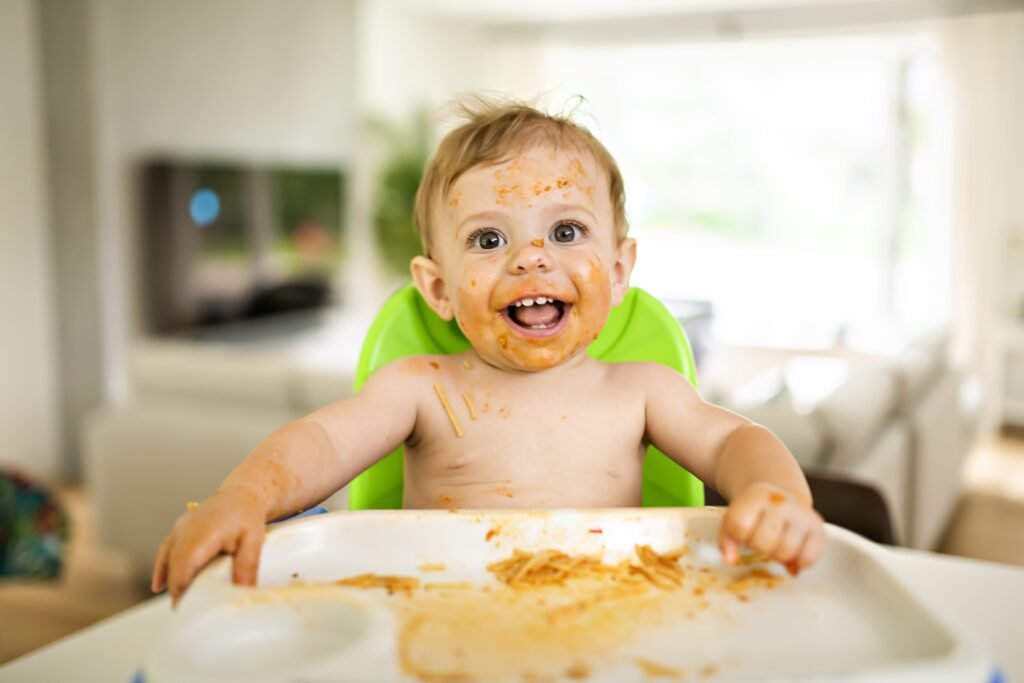
Learning how to stop toddler food throwing at mealtimes without punishment starts with understanding why it happens. For toddlers, throwing food is rarely naughty behavior. It is exploration, communication, and a way to test cause and effect. A toddler drops a piece of pasta and watches it fall. They toss a cup and hear a satisfying clatter. They push a plate away when they are full, tired, or simply done. None of that means your child is being defiant, and none of it needs punishment to change.
The good news is that food throwing is a phase, and gentle, consistent responses shorten it. Toddlers learn best from calm repetition, clear routines, and adults who stay steady when mess happens. This guide explains what drives the behavior, how to set up mealtimes that reduce throwing, what to say and do in the moment, and when to simply end the meal and move on without a battle.
Why Toddlers Throw Food in the First Place
Toddlers are scientists in high chairs. Between the ages of one and three, children learn by experimenting, and food is one of the most interesting materials they can experiment with. It squishes, splats, rolls, and makes a noise when it hits the floor. Throwing teaches them about gravity, texture, and sound, all at once. That curiosity is a sign of healthy development, not bad manners.
Food throwing is also communication. A toddler who cannot yet say “I am full” or “I do not like this texture” may show it by pushing food off the tray. A child who is overtired, overhungry, or overstimulated may throw food because mealtime itself feels like too much. And a child who has learned that throwing gets a big reaction, a laugh, a gasp, or a scolding, may repeat it simply because the reaction is interesting.
It helps to look for patterns. Does throwing happen at dinner, when your child is tired, but not at breakfast? Does it happen with certain textures, like slippery noodles, but not with finger foods they can grip? Does it happen when the meal drags on too long? Patterns point to the real cause, and the real cause points to the fix.
Set Up Mealtimes That Make Throwing Less Likely
Prevention works better than reaction. A toddler who is seated securely, at the right height, and offered food in manageable amounts is less likely to throw. Make sure the high chair or booster seat fits well, with feet supported if possible. A child who is sliding around or perched uncomfortably will fidget, and fidgeting often turns into throwing.
Offer small portions rather than a full plate. A mountain of food can overwhelm a toddler, and a full plate is also a convenient pile to sweep onto the floor. Put two or three pieces on the tray at a time and add more as your child eats. Use a plate with a suction base or a tray with a rim if that helps, but do not expect any plate to be throw-proof. The goal is to reduce temptation, not to win a battle with dishware.
Keep mealtimes short and predictable. Most toddlers are done in about twenty minutes, and after that, throwing often means “I am finished.” A consistent routine, washing hands, sitting down, a short song or simple phrase to start the meal, helps your child know what to expect. Regular meal and snack times also help, because a child who is not overly hungry is calmer at the table.
Respond Calmly in the Moment
When food flies, your reaction teaches more than your words. Stay calm, keep your voice low, and keep your face neutral. Pick up the food without a big fuss, or simply leave it on the floor until the meal ends, if that is easier. Then say something short and clear, such as, “Food stays on the tray. If you are done, you can say all done.” Use the same short phrase every time, so your child learns what it means.
Avoid laughing, gasping, or scolding loudly, because all three are exciting reactions that can encourage a repeat performance. Avoid taking the food away in anger or ending the meal as a punishment on the first toss. A single throw is often an accident or an experiment. A pattern of throwing, after a calm reminder, is your signal to move to the next step.
It also helps to give your child something acceptable to do with food they do not want. Teach a simple gesture or word for “all done,” such as signing, waving, or handing you the piece. Show them how to put unwanted food in a small side bowl, sometimes called a “no thank you” bowl, instead of on the floor. Toddlers need an alternative behavior, not just a rule, because “do not throw” alone does not tell them what to do instead.
Teach the All Done Signal and End Meals Gracefully
One of the most effective strategies is teaching your child how to end a meal. Before meals, practice the “all done” sign or word during play. At the table, when your child starts throwing repeatedly, calmly say, “It looks like you are all done,” and remove the tray or lift your child from the chair. Keep the tone matter-of-fact, not angry. The meal is over, and that is all.
Do not offer a replacement meal immediately, and do not turn the end of the meal into a negotiation. If your child is genuinely hungry later, offer a healthy snack at the next planned snack time. This teaches a natural consequence, hunger leads to eating at the next meal, without punishment or shame. Most toddlers learn quickly that throwing ends the meal, and they begin to use the “all done” signal instead.
If your child protests when the meal ends, stay calm and acknowledge the feeling: “You wanted to keep playing. We can play after we clean up.” Comfort matters, but the boundary stays the same. Consistency is what makes this work. If throwing sometimes ends the meal and sometimes leads to a long negotiation, your child will keep testing to find out which outcome comes next.
Make Meals Fun Without Making Throwing the Game
Toddlers still need fun at mealtimes, and you can offer it in ways that do not involve throwing. Let your child help in small ways, such as stirring, tearing bread, or choosing between two foods. Offer foods in different colors, shapes, and textures, and talk about them: “This carrot is crunchy. This banana is soft.” Sensory play with food, squishing, smelling, and poking, is normal and useful, and it is different from throwing.
Eat together when you can, even for a few minutes. Toddlers copy adults, and watching you eat calmly teaches more than any lecture. Keep distractions low: screens off, toys away from the tray, and conversation focused on the meal. A calm environment reduces the overstimulation that often leads to throwing.
It is also worth remembering that sibling dynamics can affect mealtimes. When one child throws and another laughs, the behavior can spread. The same calm, consistent approach that helps with food throwing also helps with other sharing struggles; for ideas on staying neutral when children clash, see how to stop siblings fighting over toys without taking sides. The principle is the same: stay calm, name the boundary, and offer a better option.
What to Do When Throwing Is Really About Something Else
Sometimes food throwing signals a problem that needs attention rather than discipline. Teething discomfort, an upset stomach, or a new food texture that feels strange can all make a toddler reject food forcefully. If throwing starts suddenly after a period of calm meals, check for illness, teething, tiredness, or a big change, such as a new sibling or a new childcare setting.
Some toddlers throw because they are sensitive to textures, smells, or mixed foods. If your child consistently gags, refuses whole categories of food, or seems distressed by certain textures, offer a variety of safe foods without pressure, and talk to your pediatrician if you are concerned. Pressure to finish a plate usually increases throwing, not decreases it, because it turns mealtime into a power struggle.
Nighttime routines can also affect daytime meals. A toddler who sleeps poorly is often crankier and less patient at the table. If bedtime and sleep are part of the picture, the gentle boundary-setting ideas in how to stop a toddler climbing out of a crib show the same approach used here: a calm, consistent response repeated over time, rather than a single dramatic fix.
Mistakes That Make Food Throwing Worse
The biggest mistake is reacting with punishment, shouting, or shaming. Toddlers do not connect punishment with the behavior in the way adults expect, and harsh reactions can increase anxiety around food, which makes mealtimes harder. Scolding also gives throwing a big, exciting payoff, which encourages repetition.
Another mistake is inconsistency: sometimes ignoring throwing, sometimes laughing, sometimes ending the meal in anger. Toddlers need the same calm response every time to learn the pattern. A third mistake is offering a preferred food, such as a sweet snack, to stop the throwing. That teaches your child that throwing earns a treat, which is the opposite of the lesson you want.
Finally, do not expect instant results. A new routine may take days or weeks to work, and throwing may briefly increase when you change your response, because your child is testing whether the old reaction will return. That brief increase is normal. Stay calm, stay consistent, and the behavior usually fades.
When to Seek Extra Support
Most food throwing resolves with time, routine, and calm boundaries. Consider talking to your pediatrician if your child is losing weight, refusing nearly all foods, gagging or choking often, showing signs of distress around food, or if mealtimes are causing significant stress for the whole family. A pediatrician can check for feeding difficulties, sensory issues, or other concerns, and can refer you to a feeding specialist if needed.
Remember that you are not failing if your toddler throws food. Every toddler tests boundaries at the table, and every parent cleans food off the floor. The goal is not a perfectly tidy meal, but a child who gradually learns to communicate, to eat at a comfortable pace, and to trust that mealtimes are safe and predictable. With patience and consistency, that is exactly what happens.
FAQ
Is it normal for toddlers to throw food?
Yes, it is very common. Toddlers throw food to explore, to communicate that they are full or done, and to test cause and effect. It is a normal stage of development, not a sign of bad behavior.
Should I punish my toddler for throwing food?
No. Punishment does not teach toddlers what to do instead, and it can increase anxiety around meals. A calm, consistent response, such as ending the meal after repeated throwing, works better and keeps mealtimes positive.
How do I teach my toddler to say all done?
Practice a simple sign or word during play, then use it at every meal. When your child throws repeatedly, calmly say, “It looks like you are all done,” and end the meal. Repetition teaches your child to use the signal instead of throwing.
What if my toddler throws food every single meal?
Look for patterns: tiredness, hunger, portion size, or a specific texture. Shorten meals, offer small portions, and keep your response consistent. If throwing is sudden, severe, or paired with weight loss or distress, talk to your pediatrician.
Does a suction plate stop food throwing?
It can reduce accidental spills, but it will not stop a determined toddler from throwing loose food. Plates help with setup, but the real solution is routine, small portions, and a calm, consistent response.
How long does the food throwing phase last?
It varies, but most toddlers throw less as their language and self-control develop. With consistent routines, many families see a clear improvement within a few weeks, even if occasional throwing continues for a while.