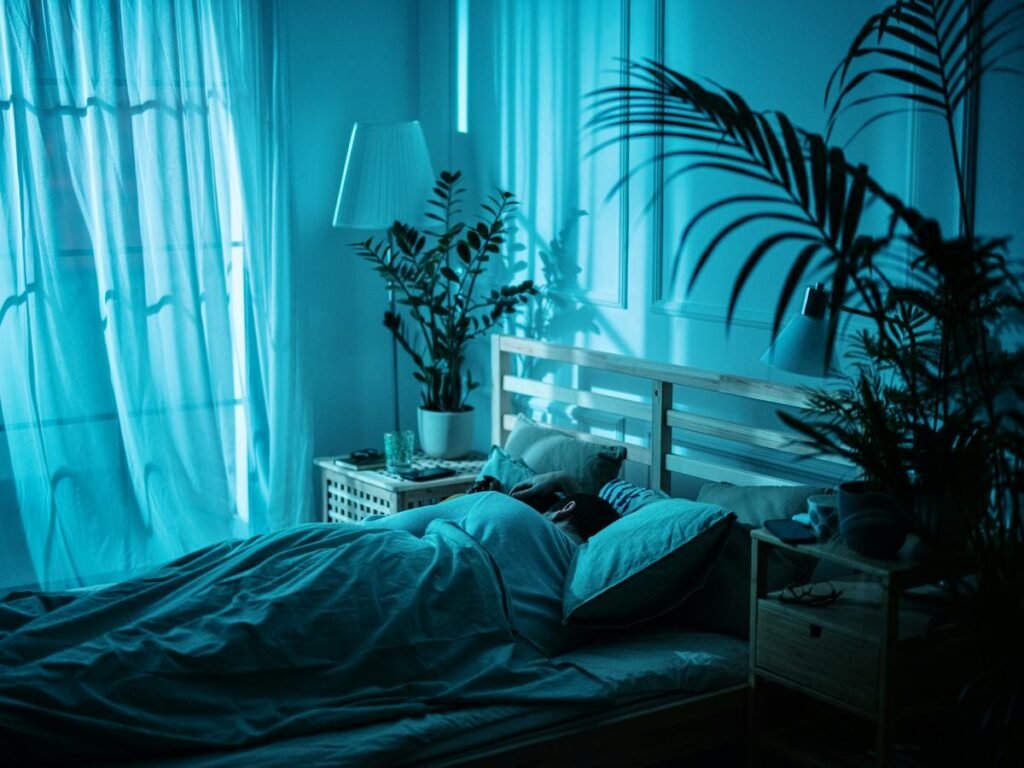
Waking up in a pool of sweat is miserable. Your sheets are damp, your pillow is clammy, and now you are wide awake at 3 a.m. If you want to know how to stop night sweats while sleeping without medication, the good news is that most nighttime sweating responds to simple changes in your bedroom, your bedding, and your evening habits — no prescriptions required.
Night sweats are episodes of heavy sweating during sleep that soak clothing or bedding. They are not the same as feeling a little warm because the blanket was too heavy. True night sweats drench you, and they can wreck your sleep quality even when you fall asleep easily at first. Most of the time, the cause is something in your sleep environment or your routine, and each of those causes has a fix.
Before changing anything, one important note: persistent night sweats can occasionally signal a medical condition, such as a thyroid problem, infection, or hormonal change. If sweating is severe, happens with fever, unexplained weight loss, or just started after a new medication, talk to your doctor first. The strategies below are for the very common, ordinary kind of night sweating driven by heat, bedding, and lifestyle.
Start With Your Bedroom Temperature
Your body has to drop its core temperature to fall into deep sleep. If the room is warm, your body works overtime to cool itself, and sweating is its main cooling tool. Sleep researchers consistently recommend a bedroom between 60 and 67 degrees Fahrenheit (roughly 15 to 19 degrees Celsius).
If you currently sleep in a room warmer than that, lowering the thermostat by even three or four degrees can make a dramatic difference. Here are practical ways to cool the room without rebuilding your house:
- Lower the thermostat before bed. Set it to the low end of the range an hour before you turn in, so the room is already cool when you lie down.
- Run a fan. A ceiling fan or a bedside fan keeps air moving across your skin, which speeds evaporation and helps your body cool itself. Fans are cheap, quiet, and surprisingly effective.
- Crack a window. If the night air is cool and the neighborhood is quiet, even a two-inch gap improves airflow through the bedroom.
- Close blinds during the day. Rooms that soak up afternoon sun stay warm for hours. Blackout shades or even a closed curtain keeps daytime heat out.
One subtle trap: many people run the heater or air conditioning for comfort in the evening and forget the bedroom heats up under heavy bedding. Judge the room by how it feels when you are under the covers, not when you walk in wearing clothes.
Fix Your Bedding: The Biggest Culprit
For many people, bedding is the entire problem. Sheets and comforters made of polyester, microfiber, or all-foam mattress materials trap heat and moisture against your body. You fall asleep comfortable and wake up stewing in your own heat.
Swap heat-trapping bedding for breathable alternatives:
- Choose natural-fiber sheets. Cotton, linen, and bamboo viscose breathe far better than polyester blends. Look for a percale weave in cotton — it feels crisp and stays cool. Bamboo viscose sheets are worth a try if you sleep especially hot, since they wick moisture well.
- Layer instead of one heavy comforter. A single thick comforter gives you two settings: too hot or too cold. A flat sheet plus one or two light layers lets you throw off a layer in the night without fully waking up.
- Try a cooling pillow. Your head and neck release a lot of heat. Cooling pillows with gel layers, or simply a buckwheat pillow that allows airflow, can reduce the overheated-pillow effect.
- Check your mattress. Traditional memory foam sleeps hot because it contours around your body and blocks airflow. A breathable mattress topper with cooling technology, or a mattress with an innerspring or latex comfort layer, sleeps noticeably cooler. This is the most expensive fix, so try the cheaper ones first.
And do not forget sleepwear. Many people sweat because of what they wear to bed without realizing it. Heavy pajamas or synthetic fabrics hold heat against the skin. Lightweight, loose-fitting cotton sleepwear — or nothing at all — removes one more layer of insulation. If you sleep with a partner who runs cold while you run hot, separate blankets solve the nightly thermostat war.
Change What You Do in the Evening
Several common evening habits raise your body temperature or trigger sweating hours later:
- Alcohol. A nightcap feels relaxing, but alcohol dilates blood vessels and raises core body temperature. The sweating often hits several hours after drinking, around the second half of the night. Cutting off alcohol at least three hours before bed is one of the fastest fixes for night sweats.
- Caffeine. Coffee, energy drinks, and even chocolate late in the day can keep your body temperature and nervous system elevated. Set a personal caffeine cutoff around noon and see whether your nights improve.
- Spicy or heavy meals. Spicy foods trigger the same heat-dissipating response as a hot day. Large, heavy dinners keep your digestion working hard and generate heat for hours. Eat dinner earlier and keep late-night snacks light.
- Late, intense exercise. Regular exercise is excellent for sleep, but a hard workout within two hours of bedtime leaves your core temperature elevated. Move intense workouts earlier in the day and keep evening activity gentle.
- A hot shower right before bed. A lukewarm shower is actually better: it lowers your skin temperature afterward and signals to your brain that it is time to sleep, which supports your natural cooling cycle.
Medications deserve a mention too. Several common drugs list night sweating as a side effect, including some antidepressants, hormone therapies, and diabetes medications. If your night sweats started soon after a prescription change, bring it up with your doctor or pharmacist rather than stopping the drug on your own.
Cool Your Body Before and During Sleep
Beyond the room and bedding, a few direct cooling tricks help hot sleepers:
- Keep cold water by the bed. Sipping cold water when you wake up warm lowers your temperature from the inside and replaces fluid lost to sweat.
- Cool your pulse points. A damp washcloth on the forehead, neck, or wrists cools you down fast because blood flows close to the skin there.
- Try the “feet out” method. Sticking one foot out from under the covers is not just a joke — the feet are excellent heat radiators, and uncovering them lets your body dump heat without making you cold.
- Take a lukewarm shower an hour before bed. As mentioned above, the slight drop in skin temperature afterward lines up with your body’s natural pre-sleep cooling.
Calm Your Nervous System
Stress and anxiety are underrated causes of night sweats. When your body is stuck in fight-or-flight mode, adrenaline keeps your heart rate and temperature up, and sweating follows. This is why some people sweat through the night during stressful periods even though nothing else changed.
A short wind-down routine in the evening helps:
- Slow breathing exercises for five to ten minutes before bed.
- Writing down tomorrow’s worries in a notebook so your brain stops rehearsing them.
- Gentle stretching or meditation instead of scrolling through stressful news or arguments on your phone.
- Keeping the bedroom dark, quiet, and reserved for sleep so your brain associates it with rest.
If anxiety is a regular nighttime companion, improving your overall nighttime comfort routine can have knock-on benefits for several sleep problems at once.
Keep a Simple Night-Sweat Log
When sweats are inconsistent, a one-week log reveals patterns you cannot see from memory. Each morning, jot down:
- How bad the sweating was (none, mild, soaked the sheets).
- What time you woke up sweating.
- What you ate and drank the evening before, especially alcohol and spicy food.
- Whether you exercised, and when.
- Room temperature and what you slept in.
Patterns jump out quickly. Many people discover their sweats cluster on nights they had wine with dinner, or only happen when the bedroom crept above 70 degrees. Once you see the trigger, the fix is obvious.
Mistakes That Make Night Sweats Worse
- Piling on electric blankets or heated mattress pads. They feel cozy at bedtime and become saunas by midnight. If you use one, switch it off well before sleep.
- Sleeping in day clothes. Jeans, synthetic tops, and socks worn out of habit trap heat. Dedicated breathable sleepwear matters.
- Ignoring the partner factor. A warm-bodied partner plus shared heavy blankets can add several degrees. Separate blankets and breathable sheets on your side fix this without any argument.
- Drinking alcohol “to sleep better.” It sedates you into sleep faster but fragments the second half of the night — and the rebound warming effect is a classic night-sweat trigger.
- Assuming it is “just menopause” or “just stress.” Hormonal shifts and stress are real causes, but the environmental fixes above still help regardless of the underlying reason.
When to See a Doctor
Drug-free strategies handle most ordinary night sweats, but see a healthcare professional if:
- Sweats are severe enough to regularly soak through clothes and bedding.
- They come with fever, chills, or unexplained weight loss.
- They started after beginning a new medication.
- They persist for more than a couple of weeks after you have fixed your bedroom, bedding, and evening habits.
- You snore heavily, gasp, or stop breathing during sleep — that combination points toward a sleep disorder that needs evaluation.
Better sleep supports everything else about your health, so it is worth tracking down the cause rather than just tolerating drenched sheets. People who fix chronic night discomfort often notice knock-on improvements in daytime energy and mood, similar to what happens when you address other nighttime issues like calf cramps or restless sleep after travel — small sleep wins compound, as any good sleep recovery routine shows.
Frequently Asked Questions
What is the most common cause of night sweats?
For most people, the most common cause is a too-warm sleep environment: a hot bedroom, heat-trapping bedding like polyester sheets or memory foam, or heavy sleepwear. These are also the easiest causes to fix.
Does drinking water before bed help with night sweats?
Staying hydrated through the day helps your body regulate temperature. Keep cold water by the bed and sip if you wake up warm. Avoid drinking large amounts right before sleep, though, since that can cause bathroom wake-ups.
Can stress alone cause night sweats?
Yes. Anxiety and stress keep your nervous system activated, raising heart rate and body temperature. A calming wind-down routine — slow breathing, journaling worries, gentle stretching — often reduces stress-related sweating within a week or two.
What bedding is best for people who sweat at night?
Breathable natural fibers: cotton percale, linen, or bamboo viscose sheets, layered light blankets instead of one heavy comforter, and a mattress or topper that allows airflow rather than heat-trapping memory foam.
Should I see a doctor about night sweats?
See a doctor if sweats are severe, come with fever or unexplained weight loss, started after a new medication, or do not improve after two weeks of fixing your sleep environment and habits. Most ordinary night sweats respond to the changes above.
This article is for informational purposes only and is not medical/financial advice. Consult a qualified professional.