
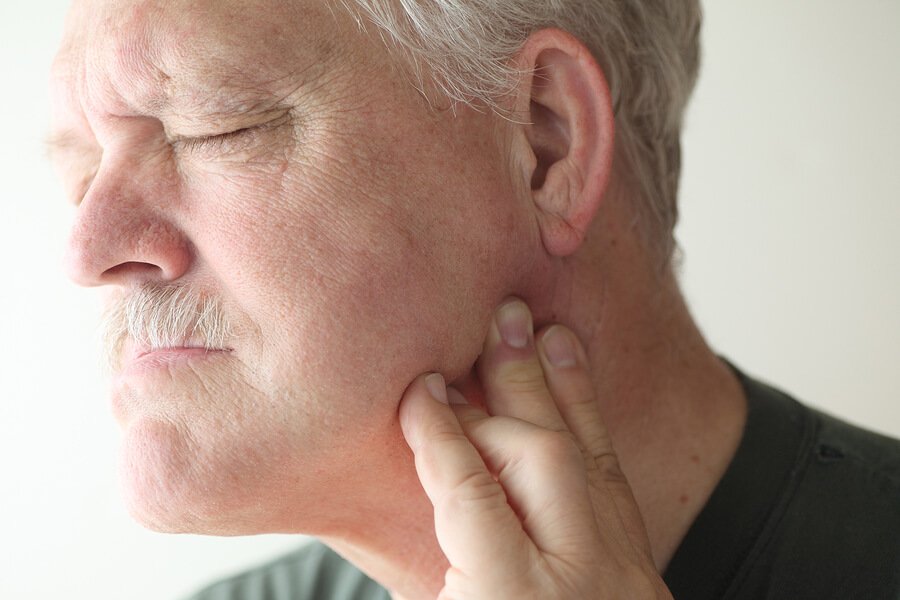
If you have ever ended a long workday with an aching jaw, a dull headache, or teeth that feel sore for no clear reason, you may be clenching your jaw during the day without realizing it. Daytime jaw clenching is far more common than most people think. It happens at desks, in traffic, while concentrating on a screen, or during stressful conversations. The good news is that you can learn how to stop jaw clenching during the day without a mouthguard by building awareness, retraining your jaw’s resting position, releasing muscle tension, and tackling the stress and posture habits that keep the clenching going.
Mouthguards protect teeth, but they do not teach the muscles to stop clenching. The strategies below go after the habit itself, so your jaw learns to stay relaxed even when life gets tense.
Why You Clench Your Jaw During the Day
Understanding the triggers makes the habit much easier to break. Most daytime clenching is driven by one or more of these factors:
- Stress and concentration: When you focus hard or feel anxious, your brain recruits muscles it does not need. The jaw muscles are a favorite target because they are strong and always available.
- Forward head posture: When your head drifts forward toward a screen, the muscles under your chin and around your jaw work overtime to hold the head’s weight. This strain often ends in clenching.
- Jaw misalignment habits: Chewing gum all day, biting your nails or lips, or resting your chin in your hand can train the jaw into a constant state of tension.
- Caffeine and stimulants: High caffeine intake can increase overall muscle tension and make clenching more likely.
- Shallow chest breathing: Breathing from the chest instead of the belly keeps the nervous system in a low-grade alert state, and the jaw mirrors that alertness.
You do not need to fix all of these at once. Start with awareness, and the rest becomes much easier.
Step 1: Build Awareness of When You Clench
You cannot change a habit you do not notice. Many people clench for hours before feeling any pain, so the first job is simply to catch it in the act.
Do a 3-day clenching audit
For three days, check in with your jaw every time one of these happens:
- You open a difficult email or start a hard task
- You get stuck in traffic or wait in a long line
- You sit down at your desk or pick up your phone
- You feel irritated, rushed, or bored
Each time, ask yourself: are my teeth touching right now? If yes, note what you were doing. Most people discover two or three predictable situations that trigger almost all of their clenching. Those situations become your practice ground.
Set gentle reminders
Place small reminders where you will see them at trigger moments:
- A sticky note on your monitor that says “lips together, teeth apart”
- A phone wallpaper with a tiny dot or the word “jaw”
- A recurring silent alarm every 90 minutes labeled “jaw check”
- A rubber band around your wrist that you move to the other wrist each time you catch yourself clenching
Use these for two to three weeks. After that, most people find the checking becomes automatic.
Step 2: Learn the Correct Jaw Resting Position
The single most powerful technique for stopping daytime clenching is teaching your jaw where it should rest. Here is the correct position:
- Close your lips gently, without pressing them together hard.
- Let your upper and lower teeth separate slightly. They should only touch when you chew or swallow.
- Rest the tip of your tongue lightly on the roof of your mouth, just behind your front teeth.
- Let your jaw hang loose and heavy, as if it is slightly too tired to hold itself up.
Practice this position for 30 seconds, ten times a day. Set it as your default every time you catch yourself clenching. Over a few weeks, this “lips together, teeth apart, tongue up” posture becomes your new normal, and clenching fades because the muscles no longer default to a braced position.
Step 3: Release Tension With Jaw Exercises
Clenching shortens and tightens the masseter and temporalis muscles. A short daily release routine loosens them and makes clenching physically harder to sustain.
Masseter massage
The masseters are the thick muscles in front of your ears and below your cheekbones. Place your fingertips on them and clench briefly to feel them bulge. Then relax and massage in slow circles for 60 seconds on each side. Press firmly enough to feel a mild ache, but never sharp pain.
Temple massage
Place your fingertips on your temples and make small circles for 30 seconds. Many people carry surprising tension here, and releasing it calms the whole jaw area.
Controlled jaw opening
Place one fist under your chin and slowly open your mouth against gentle resistance for five seconds, then close. Repeat five times. This strengthens the muscles that open the jaw, balancing out the overworked closers.
Neck and shoulder stretch
Tilt your head to one side, ear toward shoulder, and hold for 20 seconds on each side. Tight neck and shoulder muscles pull on the jaw, so loosening them reduces clenching pressure. If your desk posture needs work overall, pairing these stretches with a guide to fixing bad posture at a desk without equipment can remove one of the biggest physical drivers of the habit.
Do this routine once in the morning and once before bed. Five minutes total is enough.
Step 4: Calm the Stress That Drives Clenching
Because stress is the main trigger for most people, stress management is not optional in this plan. You do not need a meditation retreat; small, consistent practices work:
- Belly breathing: Inhale through your nose for four counts, letting your belly expand. Exhale slowly for six counts. Three rounds of this relaxes the jaw almost immediately.
- Progressive relaxation: Starting at your toes, tense each muscle group for five seconds, then release. When you reach your face, scrunch it tight, then let everything go slack. Do this for five minutes before bed.
- Short walks: A ten-minute walk between work blocks burns off the nervous energy that would otherwise settle into your jaw.
- Journaling: Writing down worries for ten minutes a day moves them out of your body and onto the page. If you have never journaled, these easy ways to start journaling when you hate writing make the habit surprisingly painless.
- Caffeine audit: Try cutting back by one cup a day for a week and notice whether your jaw feels calmer by afternoon.
Step 5: Fix the Habits That Keep the Jaw Tense
Several everyday habits feed clenching without you noticing:
- Chewing gum: Constant chewing keeps the masseters overworked. Limit gum to 15 minutes at a time, or switch to mints.
- Hard and chewy foods: Bagels, tough steak, and sticky candy strain the jaw. When your jaw is sore, choose softer foods for a few days.
- Chin resting: Propping your chin on your hand pushes the jaw out of alignment. Keep both feet flat and hands off your face.
- Nail and lip biting: These keep the jaw in a braced position. Keep nails trimmed and use lip balm so there is less to bite.
- Phone cradling: Pinching a phone between your ear and shoulder compresses one side of the jaw. Use earbuds or speakerphone instead.
Mistakes That Slow Down Progress
- Expecting instant results: Clenching is a habit built over years. Give the retraining plan at least three to four weeks before judging it.
- Only relaxing when it hurts: Practicing jaw awareness when you feel fine is what prevents the pain later. Do the check-ins even on good days.
- Skipping posture: You can do every jaw exercise perfectly and still clench if your head juts forward eight hours a day. Screen height and chair setup matter enormously.
- Ignoring the stress side: Jaw exercises alone rarely solve a stress-driven habit. Pair the physical work with genuine stress relief.
- Clenching harder to “test” relaxation: Some people bite down to check whether the muscles are relaxed, which reinforces the pattern. Instead, check whether your teeth are apart.
Pros and Cons of the No-Mouthguard Approach
Pros: It addresses the root cause instead of just shielding the teeth. It costs nothing, has no side effects, and improves posture, stress levels, and body awareness at the same time.
Cons: It takes a few weeks of consistent practice, and it will not repair teeth that are already worn or cracked. If you also grind heavily at night, a mouthguard for sleep may still be worth discussing with a dentist while you retrain the daytime habit.
When to See a Professional
Self-help works for most mild to moderate daytime clenching, but see a dentist or doctor if you notice any of the following:
- Jaw pain that does not improve after three to four weeks of consistent practice
- Clicking, popping, or locking of the jaw
- Teeth that look worn, flattened, or chipped
- Frequent headaches centered around the temples
- Difficulty opening your mouth fully
A dentist can check for bite problems or joint issues that exercises alone cannot fix.
Frequently Asked Questions
How long does it take to stop jaw clenching during the day?
Most people notice a clear reduction within two to three weeks of consistent awareness practice, and the habit usually fades substantially within six to eight weeks. Deeper stress-driven clenching can take a few months to fully retrain.
Is daytime jaw clenching the same as bruxism?
Daytime clenching is one form of bruxism, which is the umbrella term for teeth grinding and jaw clenching. Nighttime grinding happens during sleep and often needs different management, while daytime clenching is a waking habit you can consciously retrain.
Can jaw clenching cause headaches?
Yes. Sustained clenching overloads the masseter and temporalis muscles, and the resulting tension commonly shows up as dull headaches around the temples, behind the eyes, or at the back of the head.
Should I still consider a mouthguard?
A mouthguard is mainly a shield for nighttime grinding, not a cure for daytime clenching. If you only clench while awake, the retraining approach in this article is usually the better first step. A dentist can advise if your teeth show damage that needs protection.
Does chewing gum make jaw clenching worse?
Frequent, long gum chewing can keep the jaw muscles overworked and may worsen clenching in people prone to it. Occasional gum is fine for most people, but if you clench, limit it or switch to mints.
Can posture really affect jaw clenching?
Yes. Forward head posture increases the workload on the muscles around the jaw and neck, which raises the likelihood of clenching. Correcting desk posture is one of the highest-impact changes you can make.
This article is for informational purposes only and is not medical advice. Consult a qualified professional.













1 thought on “How to Stop Jaw Clenching During the Day Without a Mouthguard”
Comments are closed.