
The Siang River can be both a lifeline and a time bomb — and Arunachal Pradesh’s Chief Minister wants people to understand the difference before it’s too late.
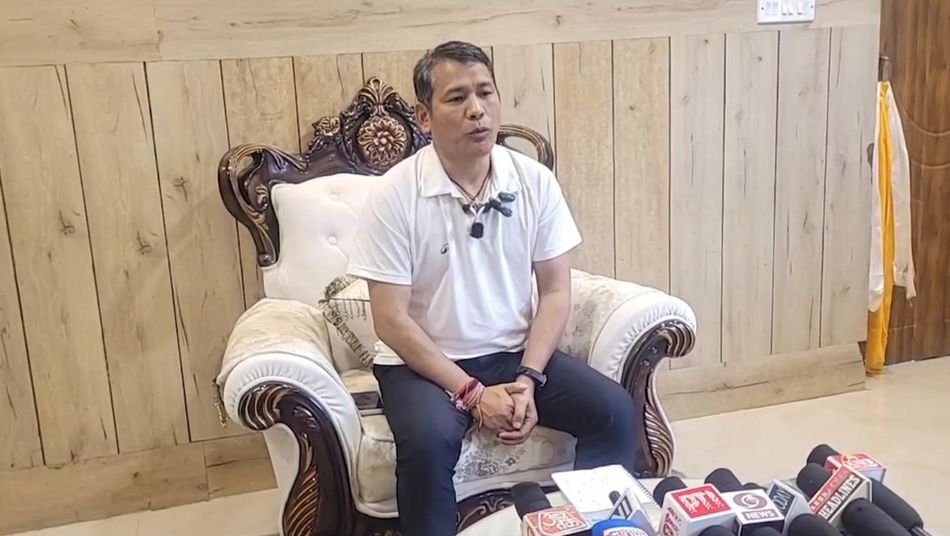
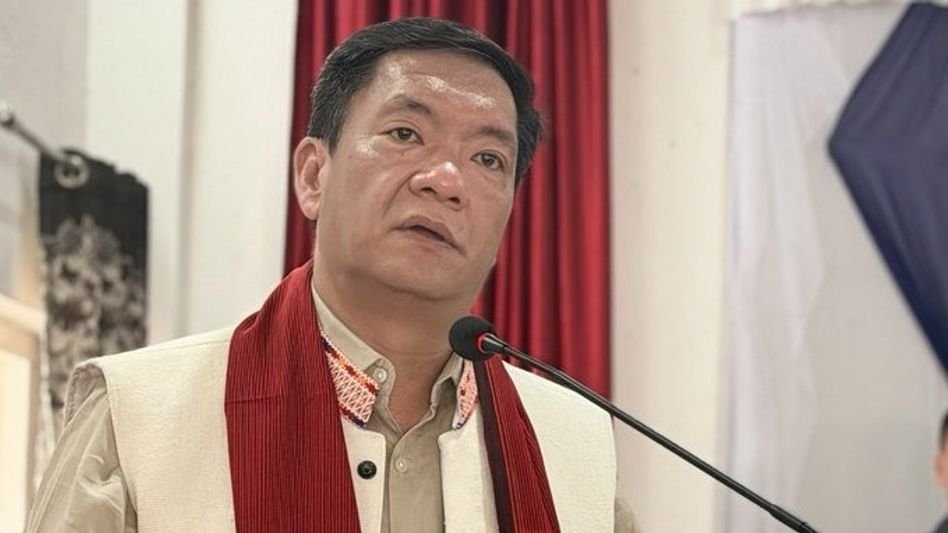
Pema Khandu sat down with Community-Based Organisation (CBO) members, government officers and local officials at Yingkiong on September 30, and the conversation wasn’t about politics or projects. It was about water — too much of it at once, and then not nearly enough.
The Siang Valley, a stretch of land that feeds off the might of one of the Himalayan region’s most powerful river systems, is caught in a dangerous paradox. During the monsoon and beyond, sudden upstream surges can rush downstream with little to no warning. Entire communities have almost no time to react. Then, when the cold winter sets in, the same valley faces a completely different battle: water scarcity. Rivers slow, levels drop, and people scramble.
It is the kind of double-edged crisis that rarely makes national headlines — until something goes terribly wrong.
Khandu didn’t need to look far for examples of what “terribly wrong” looks like. He pointed to Sikkim and other parts of the Himalayan belt, where extreme water events have swept away bridges, homes and lives in a matter of hours. These weren’t theoretical warnings. They were reminders of what downstream communities face when preparedness is treated as an afterthought.
That’s exactly the point Khandu drove home in Yingkiong. Preparedness. Storage. Advance planning. He said it plainly — responsible water management isn’t optional for a region like the Siang Valley, it’s survival.
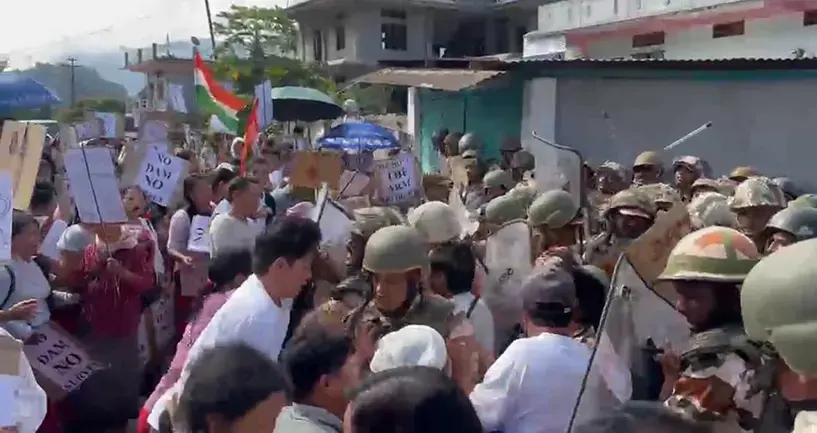
The Chief Minister also touched on the role that water storage infrastructure could play in smoothing out these extremes. The logic is simple enough: store water when there’s too much, release it carefully when there isn’t enough. But executing that on the scale of a Himalayan river valley is anything but simple. The discussion naturally drew in the ongoing conversations around the Siang Upper Multipurpose Project, or SUMP — a proposed dam and storage project that has been debated for years and remains deeply tied to questions of local livelihoods, ecology and downstream safety.
Sitting in on conversations like this one, it becomes clear how much pressure community members and local officials carry every single season. They are the first to face the floods. They are the first to feel the dry taps in winter. And they have been waiting — for infrastructure, for early warning systems, for someone to take the twin threats seriously at the same time.
Khandu’s visit to Yingkiong and his direct engagement with CBO members signals at least an acknowledgment of that weight. Whether it translates into concrete timelines, funded projects and real early-warning systems on the ground is the bigger question — and one that the people of the Siang Valley will be watching closely.
Because when the river rises in the dead of night, nobody waits for a press release.