
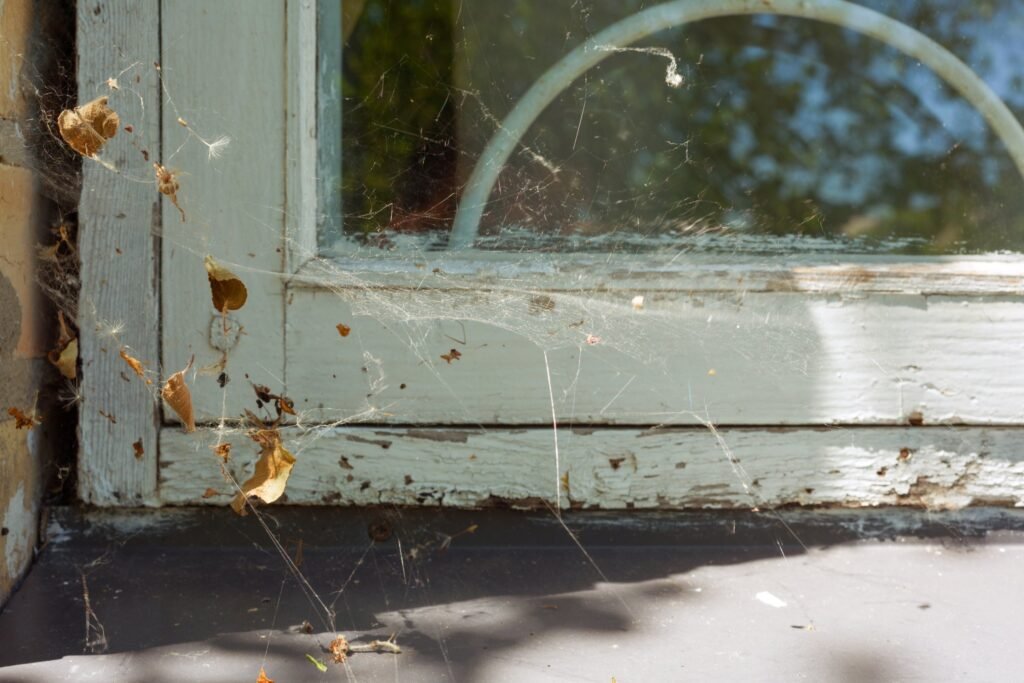
Finding a spider in the corner of the living room or dangling from the ceiling is never pleasant, and reaching for a can of bug spray is not the only answer. Learning how to get rid of spiders in the house without chemicals is a practical, affordable approach that works for most common house spiders, and it is safer for children, pets, and anyone sensitive to strong sprays. With a mix of thorough cleaning, sealing entry points, and natural repellents, you can remove the spiders already inside and make your home far less inviting to new ones.
Most spiders that wander indoors are not looking for trouble. They follow warmth, shelter, and food, which usually means other small insects. That is good news, because the same steps that cut down on bugs in general also cut down on spiders. Work through the methods below in order, starting with removing the spiders you can see, and you should notice a real difference within a week or two.
Why Spiders Come Inside
Spiders come indoors for three reasons: food, shelter, and a way in. Understanding these three reasons makes the whole job easier, because every method below targets one of them. A spider does not move in because your home is dirty. Even spotless houses get spiders. They come in through a crack under a door or a gap around a window, and once inside they find quiet corners and a steady supply of small insects to eat.
Spiders prefer dark, undisturbed places. Basements, attics, garages, closets, and the space behind stored boxes are ideal for them. They also like damp spots, which is why bathrooms, laundry rooms, and kitchens often have more spider activity. When outdoor temperatures drop or heavy rain arrives, spiders look for dry, sheltered places, and a house is the best shelter around. Bright porch lights add to the problem by attracting moths and flies at night, and spiders follow their food straight to your front door. The most common indoor spiders in American homes are house spiders, cellar spiders, and wolf spiders that wander in from the yard. Most of them are harmless and help by eating other pests, but nobody wants webs in every corner or a surprise spider in the shower.
What You Will Need
You probably already own most of these supplies. Gather them before you start so the job goes smoothly:
- A vacuum cleaner with a hose attachment and a crevice tool
- A large glass or jar and a stiff piece of paper or cardboard for catch and release
- A spray bottle, peppermint essential oil, white vinegar, and water
- Caulk and a caulk gun, plus weather stripping for doors
- Fine-mesh screens for windows and vents
- Microfiber cloths and a duster with an extendable handle
- Food-grade diatomaceous earth (optional, for cracks and voids)
- Storage bins with tight-fitting lids to replace cardboard boxes
- A flashlight for inspecting dark corners, basements, and attics
One safety note before you begin: peppermint oil is toxic to dogs and cats, so skip peppermint sprays in rooms where pets spend time, or use the other methods in this guide instead. Keep essential oils stored out of reach of children and pets, and never apply them directly to an animal.
Step 1: Remove the Spiders Already Inside
Start by dealing with the spiders you can see. There is no point in sealing and spraying while spiders are already living in the corners.
- Catch and release. Place a large glass over the spider, slide a stiff piece of paper underneath, and carry it outside, at least a few yards from the house. Release it near plants or a woodpile where it can find shelter. This is the gentlest method and works well for single spiders.
- Vacuum webs and spiders. Use the hose attachment to vacuum every web, egg sac, and visible spider, paying attention to ceiling corners, window frames, and the tops of door frames. Empty the vacuum canister or remove the bag right away and take it outside so nothing crawls back out.
- Check the quiet rooms. Walk through the basement, attic, garage, and spare rooms with a flashlight. Look behind furniture, under stairs, and around stored items. Vacuum any webs you find, even old empty ones, because a web signals a good spider spot.
- Do not squash spiders on walls. Squashing leaves a stain on paint and wallpaper, and it can scatter an egg sac if the spider is carrying one. Catching or vacuuming is cleaner and more effective.
Removing webs matters more than most people realize. A spider that loses its web often moves on, and vacuuming egg sacs prevents dozens of tiny spiders from hatching inside the house. Make web removal part of your regular cleaning routine, not a one-time event.
Step 2: Deep Clean to Make Your Home Less Inviting
Spiders follow food, and their food is other insects. A thorough cleaning cuts the insect population and removes the dust, clutter, and hiding places spiders love. Work room by room and be systematic.
- Vacuum thoroughly. Vacuum carpets, rugs, and hard floors, then use the crevice tool along baseboards, under furniture, and behind appliances. Vacuuming removes crumbs that attract ants and other insects, which in turn attract spiders. Upholstered furniture deserves attention too, and our guide to removing pet hair from a couch without a vacuum shows how a thorough pass over cushions and crevices picks up far more than a quick surface clean.
- Dust high and low. Use an extendable duster on ceiling corners, light fixtures, and the tops of shelves and cabinets. Wipe down window sills and door frames with a damp microfiber cloth.
- Fix damp spots. Spiders and the insects they eat are drawn to moisture. Repair leaking pipes and faucets, run a fan in the bathroom after showers, and use a dehumidifier in a damp basement. Damp rooms also benefit from regular cleaning, and our guide to cleaning a shower head without vinegar covers a simple routine that keeps a humid bathroom cleaner and less inviting to pests.
- Store food properly. Keep pantry goods in sealed containers, wipe up crumbs promptly, and do not leave pet food out overnight. Fewer pantry pests means fewer spiders hunting them.
- Take out the trash regularly. Empty kitchen bins often and keep outdoor bins away from the house walls, since garbage attracts flies and other insects that spiders follow indoors.
Cleaning alone will not keep spiders out forever, but a home with little food for insects and few undisturbed corners is a poor hunting ground, and spiders will go elsewhere.
Method 1: Peppermint Oil Spray
Peppermint oil is the best-known natural spider repellent. Spiders taste and smell through their legs, and the strong scent of peppermint appears to overwhelm their senses, encouraging them to avoid treated areas. Many homeowners report good results, and the spray is cheap and easy to make.
- Mix 15 to 20 drops of peppermint essential oil into a spray bottle filled with water, and add a small squirt of dish soap to help the oil mix with the water.
- Shake the bottle well before each use, since oil and water separate quickly.
- Spray along window frames, door frames, baseboards, and the corners of rooms where you have seen webs.
- Reapply every few days at first, then once a week once activity drops. The scent fades over time, and rain or cleaning washes it away.
Be realistic about what peppermint oil can do. It is a repellent, not a killer, and it will not solve a serious spider problem on its own. It works best as part of a larger plan that includes sealing and cleaning. Also remember the pet warning: peppermint oil is toxic to dogs and cats. Do not use this spray in rooms where pets sleep or spend most of their time, and never spray it near pet bedding, food bowls, or litter boxes. If you have pets, use the vinegar spray or sealing methods below instead. Other essential oils with a similar reputation include tea tree, lavender, and eucalyptus, but peppermint has the most consistent reports of success. Always spot test sprays on painted surfaces and fabrics first, since oils can stain some finishes.
Method 2: White Vinegar Spray
White vinegar is a cheap, pet-safe alternative to essential oil sprays. Its strong smell repels spiders, and it also works as a general cleaner for the same surfaces you want to protect. Mix equal parts white vinegar and water in a spray bottle, then spray the mixture into cracks, along baseboards, around window frames, and in corners where spiders appear. Let it dry naturally. The vinegar smell fades within an hour or two for people, but spiders seem to avoid the area longer. Reapply weekly, or after cleaning the area.
Vinegar spray is especially useful in kitchens and bathrooms, where you are already cleaning regularly and where pets often wander. It costs almost nothing, and you can use it on most hard surfaces without worry. Avoid spraying vinegar on natural stone counters or floors, such as marble or granite, because the acid can damage the surface. For those areas, use plain water and a mild soap instead.
Method 3: Seal Entry Points
Sealing is the single most effective long-term step in this whole guide. Spiders are small and can squeeze through surprisingly tiny gaps, so a careful inspection of your home is worth the time.
- Check doors and windows. Replace worn weather stripping and door sweeps. A door sweep that leaves a visible gap at the bottom is an open invitation. Check that window screens fit tightly and have no tears, and repair or replace damaged screens.
- Caulk cracks and gaps. Walk around the outside of the house and look for cracks in the foundation, gaps where pipes and cables enter the walls, and spaces around window frames. Seal them with exterior caulk. Inside, caulk gaps around baseboards, pipes under sinks, and the edges of window frames.
- Cover vents and openings. Fit fine-mesh screens over attic vents, dryer vents, and crawl space openings. Make sure the mesh is fine enough to block spiders while still allowing airflow.
- Check the garage door. Garage doors often have gaps along the sides and bottom. A rubber garage door seal and side weather stripping close the most common entry points into the garage, which is a frequent staging area for spiders heading indoors.
Sealing takes an afternoon, but it pays off for months. It also keeps out ants, drafts, and moisture, so it is one of the best home maintenance jobs you can do. Re-check your seals each season, since caulk shrinks and weather stripping wears out over time.
Method 4: Declutter and Remove Hiding Places
Spiders need quiet, undisturbed shelter, and clutter provides it in abundance. Reducing clutter indoors and outdoors removes the hiding places that let spider populations grow unnoticed. Replace cardboard boxes with sealed plastic bins, since cardboard is soft, dark, and easy for spiders to hide in, and it attracts other insects too. Clear out piles of old newspapers, magazines, and clothing on the floor, and store what you keep in closed containers. Keep storage off the floor on shelving in basements and garages, which improves airflow, makes cleaning easier, and removes the dark gaps spiders love.
Outside the house, move firewood and debris away from the walls. Woodpiles, leaf piles, and stacked bricks next to the house are spider hotels, so keep firewood at least 20 feet from the house and off the ground on a rack. Trim shrubs, vines, and tree branches that touch the walls or roof, since they give spiders a direct bridge indoors. Keep a gap of at least a foot between plants and the house. Also switch outdoor lights to yellow or warm-toned bulbs, which attract far fewer flying insects than standard white bulbs, and fewer insects near the door means fewer spiders hunting there. Decluttering also makes every other method in this guide more effective, since it is much easier to spot webs, spray repellents, and vacuum corners in a room that is not packed with boxes and piles.
Natural Repellents Compared
Several natural products are marketed as spider repellents. Here is how they compare, so you can choose the ones that fit your home. Peppermint oil has a strong scent, is easy to spray, and is widely reported to work, but it needs frequent reapplication and is toxic to dogs and cats. White vinegar is very cheap, pet-safe, and doubles as a cleaner, but the smell fades quickly and it must be reapplied often, and it should not be used on natural stone. Cedar blocks, shavings, and cedar oil are traditional repellents for moths and spiders, and they work well in closets and storage areas, though the scent fades over months. Citrus peels rubbed on window sills and door frames leave a scent spiders dislike, but it is a light, short-lived repellent best used alongside other methods.
Diatomaceous earth is a fine powder made from fossilized algae that damages the outer coating of insects and spiders that crawl through it. Use food-grade diatomaceous earth in thin lines inside cracks, behind appliances, and in wall voids. Keep it dry, since moisture makes it ineffective, and avoid breathing in the dust while applying it. The honest truth is that no single natural repellent is as reliable as sealing and cleaning. Repellents help at the margins, while sealing and removing food sources do the heavy work. Use repellents to support the structural steps, not replace them.
When to Call a Professional
Most house spiders are harmless, but two venomous spiders in the United States deserve respect: the black widow and the brown recluse. If you suspect either one is in your home, do not try to handle it yourself. Call a pest control professional. A black widow is shiny black with a red hourglass marking on the underside of its abdomen. A brown recluse is light brown with a violin-shaped marking on its back and prefers dark, undisturbed places such as closets, storage boxes, and attics. If you are unsure what kind of spider you have found, take a photo from a safe distance and show it to a professional or your local extension service for identification. Never try to catch or move a spider you cannot identify.
Also call a professional if you are seeing large numbers of spiders every day despite sealing and cleaning, if you keep finding egg sacs, or if spiders are appearing in bedrooms and living areas in unusual numbers. A professional can identify the species, find hidden entry points, and recommend targeted, low-toxicity options. Getting help is not a failure of the chemical-free approach. It is the right call when safety is involved.
Mistakes to Avoid
- Sealing before removing the spiders inside. If you seal every gap while spiders are already living indoors, you trap them inside with no way out. Remove them first, then seal.
- Using peppermint oil around pets. Peppermint oil is toxic to dogs and cats. If you have pets, skip it entirely or use it only in rooms your pets never enter, and store the bottle safely.
- Spraying repellent on webs and expecting them to vanish. Repellents discourage new spiders. They do not dissolve existing webs. Vacuum the webs first, then spray.
- Ignoring the outside of the house. Sealing the inside helps, but if the yard is full of spider habitat and bright lights are drawing insects to the door, new spiders will keep testing your defenses.
- Forgetting to reapply. Natural repellents fade in days. A single treatment feels like a solution, but without reapplication the spiders return.
- Leaving clutter in the basement or garage. These rooms are the main spider nurseries in most homes. If they stay cluttered, the rest of the house will keep seeing spiders.
Tips for Keeping Spiders Away for Good
- Make web removal a weekly habit in the rooms where spiders appear most. A two-minute vacuum pass prevents webs from becoming established homes.
- Vacuum under and behind furniture at least once a month, since these are the spots most people skip and spiders prefer.
- Keep bedroom closets tidy and check stored shoes and clothing before putting them on, especially items that have sat untouched for a while.
- Store holiday decorations and seasonal clothing in sealed plastic bins rather than cardboard boxes.
- After cleaning a room, spray repellent along the baseboards while the room is still fresh and dry, so the scent lasts longer.
- Check window screens and door sweeps each season and replace anything that is worn or torn before spiders become active.
- When you do deep-clean a room, include the furniture itself. The same care that goes into cleaning a leather couch without leather cleaner applies here: clean the crevices, the underside, and the space behind it, because hidden spots are where spiders settle.
Frequently Asked Questions
Does peppermint oil really keep spiders away?
Peppermint oil can discourage spiders from treated areas, and many homeowners report fewer spiders after regular use. It works best as part of a larger plan that includes sealing gaps and cleaning, and it needs reapplication every few days. Remember that peppermint oil is toxic to dogs and cats, so avoid it in homes with pets.
What is the fastest way to get rid of spiders in the house?
Vacuum every web, spider, and egg sac you can find, then deep clean the room and seal obvious gaps around doors and windows. Catch-and-release works for individual spiders, but vacuuming plus cleaning gives the fastest visible result across a whole room.
Why do I keep getting spiders in my house?
Spiders keep returning when they have food, shelter, and entry points. Small insects provide food, clutter and undisturbed corners provide shelter, and gaps around doors, windows, and pipes provide entry. Sealing gaps, reducing clutter, and cutting down on other insects all help break the cycle.
Does vinegar kill spiders?
Vinegar spray can kill a spider on direct contact, but its main value is as a repellent. The strong smell discourages spiders from settling in sprayed areas. It is most useful for treating corners, baseboards, and window frames as part of a regular routine.
Are house spiders dangerous?
Most common house spiders are harmless to people and actually help by eating other pests. However, black widows and brown recluse spiders are venomous and should be handled by a professional. If you are unsure what kind of spider you have found, do not handle it and get it identified by an expert.
How do I keep spiders out of my bedroom?
Vacuum under the bed and behind furniture, seal gaps around windows and baseboards, keep the closet tidy, and avoid storing boxes under the bed. A light peppermint or vinegar spray along the baseboards can help in homes without pets, and keeping the room free of clutter removes the hiding places spiders prefer.












1 thought on “How to Get Rid of Spiders in the House Without Chemicals”
Comments are closed.