
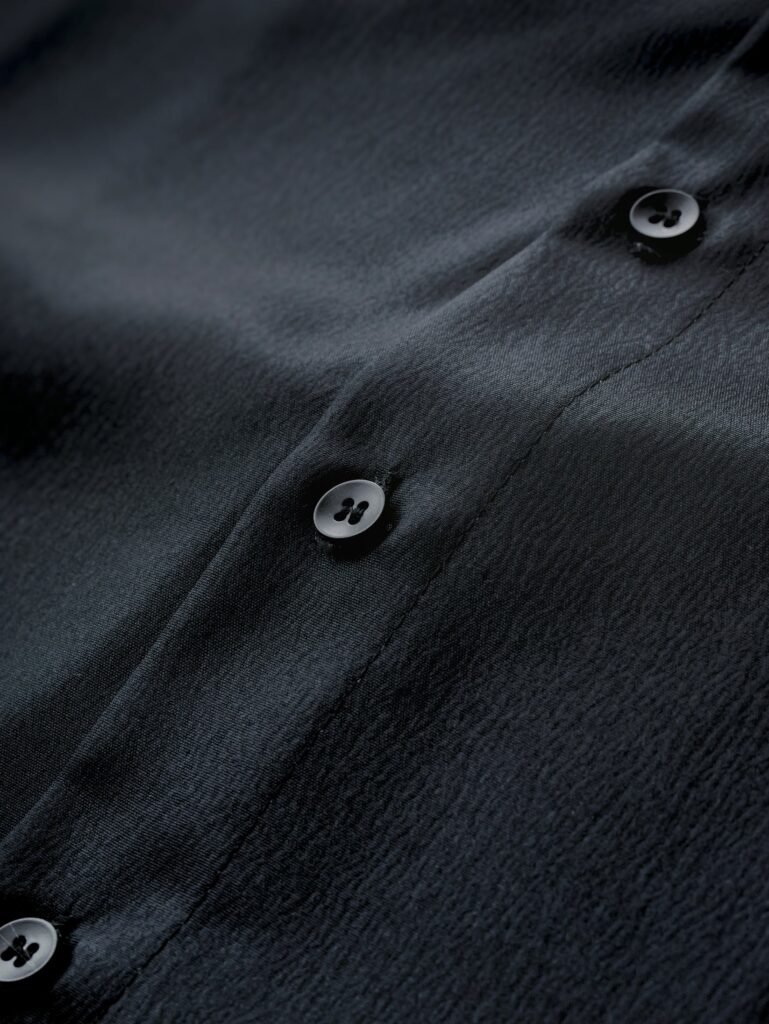
White streaks on a black shirt are the worst kind of wardrobe emergency. You are dressed, ready to walk out the door, and there they are: chalky deodorant marks across the underarms, impossible to ignore on dark fabric. If you need to know how to remove deodorant marks from a black shirt without washing, you have plenty of options. Most marks come off in under a minute with dry methods alone, and a few gentle spot treatments handle the stubborn ones, all without a trip to the washing machine.
Deodorant marks are usually a mix of the product itself and body oils, pressed into fabric fibers. Fresh marks sit on the surface and wipe away easily. Older marks, especially those that have been through heat from a dryer, bond more tightly and need a little more work. The trick is to match the method to the mark: start with the gentlest dry option, and only move to damp treatments if the first try does not work.
Quick Dry Fixes That Work in Seconds
When you are in a hurry, these methods need no water, no supplies beyond what is already in your closet, and no waiting time.
Rub the fabric against itself
The simplest fix is often the best. Take the marked area of the shirt and rub it briskly against another part of the same shirt, or against a clean section of fabric. The friction lifts fresh deodorant residue right off the fibers. This works best on marks made in the last few minutes, before the product has had time to set. Rub in short, firm strokes and check your progress frequently so you do not spread the residue around.
Use a pair of clean nylon stockings
A clean nylon stocking or a pair of tights is a classic trick for a reason. Ball up the nylon and rub it over the mark in small circles. The fine texture of nylon grabs deodorant residue without damaging fabric or leaving lint behind. Keep a spare stocking in your bag or desk drawer if black shirts are a regular part of your wardrobe. Any clean, sheer nylon works, even a single knee-high.
Try a dry sponge or foam sponge
A dry makeup sponge, a foam sponge, or even a dry kitchen sponge with a smooth side can lift surface marks. Rub gently over the stain, and the sponge will pick up the chalky residue. Avoid rough scouring pads, which can pill or damage dark fabric. A lint roller can also help with light surface residue, though it is less effective on marks pressed deep into the weave.
Brush with a soft clothes brush
A soft-bristled clothes brush or a clean, dry toothbrush can sweep away powdery deodorant marks. Brush in one direction, away from the body of the shirt, so residue does not spread to clean areas. This is a good option for delicate fabrics where rubbing might cause shine or pilling.
Gentle Damp Spot Treatments
If dry methods leave a faint shadow behind, a slightly damp approach usually finishes the job. The key word is slightly: you want a damp cloth, not a soaking wet shirt.
Damp cloth with a drop of dish soap
Dampen a clean white cloth, add the tiniest drop of clear dish soap, and dab, do not rub, at the mark. Work from the outside of the stain inward so you do not spread it. Then go over the area with a second cloth dampened with plain water to lift the soap. Blot dry with a towel and let the spot air-dry for a few minutes. Use a white cloth so no dye transfers onto your black shirt, and keep the soap amount minimal, since excess soap leaves its own residue.
White vinegar on a cloth
White vinegar is mildly acidic, which helps dissolve the waxy, chalky buildup in deodorant marks. Dampen a cloth with a small amount of white vinegar, dab the mark, and let it sit for a minute or two before blotting with a clean damp cloth. Vinegar smell disappears as the fabric dries. Test on a hidden area first, such as an inside seam, especially on delicate fabrics or shirts with special finishes.
Lemon juice for light marks
Lemon juice works similarly to vinegar and can be handy when you are traveling. Dab a small amount onto the mark with a cloth, wait a minute, then blot with plain water. Lemon juice is best for light, fresh marks, and it should be used sparingly on dark fabric, since its bleaching effect, while mild, is worth respecting. Always test on a hidden spot first and never use it on silk or other delicate materials without checking the care label.
Baby wipes or makeup remover wipes
An unscented baby wipe is a surprisingly effective emergency tool. The gentle cleansing agents lift deodorant residue, and the wipe format means no dripping or soaking. Dab rather than scrub, and follow with a dry cloth to remove moisture. Avoid wipes with added fragrance, oils, or alcohol on delicate fabrics, and test first if your shirt is a special material.
Handling Stubborn or Set-In Marks
Marks that have been through the dryer, or that have built up over many wearings, need a bit more patience. These methods still avoid a full wash, but they take a few extra minutes.
Make a paste and spot-treat
Mix a small amount of baking soda with just enough water to form a thick paste. Apply it to the mark with a soft cloth or old toothbrush, let it sit for ten to fifteen minutes, then wipe it away with a damp cloth and blot dry. Baking soda is mildly abrasive and absorbent, which helps lift set-in residue. Do not use this on silk, wool, or dry-clean-only garments without checking the care label, and always test on a hidden area first.
Use rubbing alcohol sparingly
For waxy buildup that resists other methods, a cloth lightly dampened with rubbing alcohol can dissolve the residue. Dab gently, work in small sections, and follow with a plain damp cloth. Rubbing alcohol evaporates quickly, which is convenient, but it can affect certain dyes and finishes, so a hidden-spot test is essential. Never use it on acetate, rayon, or leather-trimmed garments.
Steam from a shower or kettle
Hanging the shirt in a steamy bathroom for a few minutes can loosen set-in marks, making them easier to wipe away with a dry cloth afterward. Do not hold the shirt directly over boiling water or a steamer nozzle, since concentrated heat can damage fabric. Gentle ambient steam is enough to soften the residue without soaking the shirt.
What Not to Do
- Do not rub aggressively. Hard scrubbing pushes residue deeper into fibers and can create shiny patches or pilling on dark fabric.
- Do not use colored cloths or towels. Dye from a colored cloth can transfer onto a black shirt, especially when damp. Stick to white cloths.
- Do not apply heat to a stain. Ironing over a deodorant mark or tumble-drying a marked shirt sets the stain and makes it far harder to remove.
- Do not soak the whole shirt. The goal is a spot fix. Soaking changes the plan from a quick rescue to a full wash and dry cycle.
- Do not use bleach. Bleach on a black shirt will lighten or discolor the fabric, turning a small mark into a much bigger problem.
- Do not skip the hidden-spot test. Every fabric reacts differently. A thirty-second test inside a seam protects the whole shirt.
Preventing Deodorant Marks on Black Shirts
Removing marks is satisfying, but preventing them is better. A few small changes to your routine can keep black shirts mark-free.
Let deodorant dry before dressing
The single most effective prevention step is waiting. Apply deodorant, then wait two to three minutes before putting your shirt on. Wet product transfers to fabric far more readily than dry product. If you are in a rush, a quick blast of cool air from a hair dryer speeds drying without heat damage.
Apply less product
Most people use more deodorant than they need. A thin, even layer works just as well as a thick one and leaves far less residue to transfer. If your deodorant leaves heavy white marks, try switching to a clear gel, a clear solid, or a product marketed as invisible on dark clothes. Clear formulas are designed to leave minimal visible residue.
Put your shirt on carefully
When dressing, pull the shirt over your head with your arms slightly raised and away from your body, or step into it if the style allows. Rolling the shirt up from the hem and unrolling it over your torso keeps the underarm area from dragging across freshly applied deodorant. It feels fussy at first, but it quickly becomes habit.
Use a barrier trick
Some people place a thin tissue or a dress shield inside the underarm area while dressing, then remove it once the shirt is on. Disposable underarm shields also exist and can protect shirts during long, warm days. These are especially useful for fitted shirts, where fabric sits tight against the underarm all day.
Wash black shirts promptly
When you do wash black shirts, do not let deodorant residue sit for days, and never put a marked shirt in the dryer before treating the mark. Wash in cold water, turn the shirt inside out to protect the outer surface, and air-dry or use low heat. Heat is what turns a removable mark into a permanent one.
A Quick Decision Guide
If you are standing in front of a mirror with a marked shirt and only seconds to spare, here is the order to try. First, rub the fabric against itself or use a nylon stocking. If a faint mark remains, dab with a damp white cloth. If that still leaves residue, try the dish soap or vinegar method, then blot dry. Save the baking soda paste and rubbing alcohol for marks that survive all of the above. In most cases, step one or two is all you need, and you will be out the door with a clean black shirt in under a minute.
Black shirts are wardrobe staples because they look sharp and go with everything. A little deodorant residue should not take one out of rotation. With a dry trick in your pocket and a gentle spot treatment in your back pocket, those white marks become a minor inconvenience rather than a ruined outfit.
Frequently Asked Questions
Why do deodorant marks show up so clearly on black shirts?
Most antiperspirants and deodorants contain white or light-colored ingredients like aluminum compounds, zinc, or talc. On dark fabric, even a thin layer of this residue stands out in sharp contrast, which is why the same mark would be nearly invisible on a white shirt.
Can I use a dryer sheet to remove deodorant marks?
Yes, rubbing a fresh dryer sheet over a mark can lift light residue, thanks to its soft texture and anti-static coating. It works best on fresh marks. Test on a hidden area first, since scented sheets can leave fragrance or a slight film on some fabrics.
Will these methods work on a shirt that has already been washed and dried?
They can help, but marks that have been heat-set by a dryer are harder to remove. The baking soda paste method and gentle vinegar treatment give you the best chance, but some heat-set buildup may only fade rather than disappear completely without a full wash and stain treatment.
Is it safe to use vinegar on all black shirts?
White vinegar is safe for most cotton and polyester blends, but it should be tested first on silk, wool, rayon, and dry-clean-only garments. When in doubt, check the care label and test on an inside seam before treating a visible area.
How do I stop deodorant from building up in the underarms over time?
Apply a thin layer and let it dry fully before dressing, wash shirts promptly instead of letting residue sit, and treat marks before they go through the dryer. Rotating shirts so no single shirt is worn two days in a row also helps, since residue left overnight continues to bond with fibers.
Do clear deodorants really leave no marks?
Clear gels and solids leave far less visible residue than white sticks, but they can still transfer a slight film, especially if applied heavily or before drying. They are a big improvement for dark clothes, but the let-it-dry rule still applies.












1 thought on “How to Remove Deodorant Marks From a Black Shirt Fast”
Comments are closed.