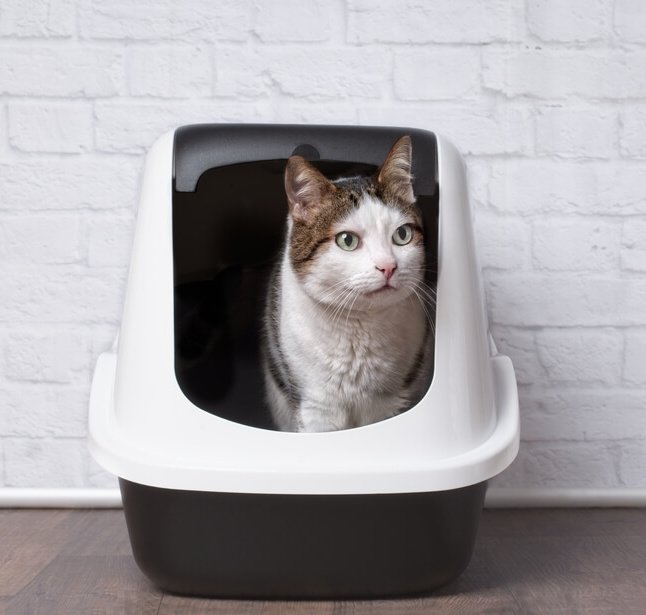
In a big house, a litter box can hide in a laundry room and be forgotten. In a small apartment, it is always three steps away from where you eat, sleep, and work, and you will smell it before you see it. Learning how to keep a litter box from smelling in a small apartment is not about one magic product. It is about a small set of habits, the right litter, and smart placement working together.
This guide covers the full odor-control system: daily routines that do most of the work, litter choices that actually matter, placement tricks for tight spaces, and the mistakes that keep apartments smelling like a litter box no matter what you buy.
Why Small Apartments Amplify Litter Box Odor
Odor is a concentration problem. The same litter box produces the same waste in any home, but in a 500-square-foot apartment there is simply less air to dilute it, fewer rooms to escape to, and often worse ventilation. Add an open floor plan and the smell travels everywhere. The fix is not stronger air freshener; it is reducing odor at the source. For whole-home freshness strategies that complement litter box care, see how to make an apartment smell fresh without air fresheners.
The Daily Scooping Routine (This Is 80 Percent of the Fix)
No product compensates for a box that sits full. Scooping is the single highest-impact habit:
- Scoop at least once a day. Twice is better in a small apartment: once in the morning, once in the evening. Each session takes about two minutes.
- Seal waste immediately. Drop clumps into a small lidded trash can or a dedicated litter disposal pail next to the box. An open kitchen trash can undoes all your scooping.
- Top up litter after scooping. Keep a consistent depth of two to three inches so urine gets absorbed before it reaches the box bottom.
- Tie it to an existing habit. Scoop while your morning coffee brews or right after dinner. Habits attached to routines actually stick.
Choose the Right Litter for Odor Control
Not all litters handle odor equally, and the differences matter more in tight quarters:
Clumping clay litter
The most popular option for good reason. Quality clumping litter forms tight, sealed clumps around urine, trapping odor at the source so it can be removed daily. Look for low-dust, unscented formulas. Heavy perfume scents mask odor for humans but can bother cats enough to make them avoid the box.
Silica crystal litter
Excellent at absorbing moisture and controlling odor between full changes, and very low dust. It does not clump, so you stir daily and replace the whole box monthly. Great for small apartments because one bag lasts a long time and tracking is minimal.
Natural litters (pine, walnut, corn, wheat)
These control odor reasonably well and are lighter to carry up apartment stairs. Pine has a natural fresh scent many owners like. They vary in clumping ability, so read the label carefully.
The baking soda trick
A thin layer of plain, unscented baking soda sprinkled on the bottom of the box before you pour in fresh litter neutralizes odor at the source. Use a light dusting, not a thick layer. It is safe for cats and costs almost nothing.
Placement: Where the Box Lives Matters Enormously
In a small apartment you cannot hide the box far away, but you can place it strategically:
- Choose ventilated spots. Near a bathroom exhaust fan, a window you can crack, or a hallway with airflow beats a sealed closet every time.
- Keep it away from food and sleeping areas. Cats prefer this too; nobody wants to eat next to a toilet.
- Give each cat its own box, plus one. The standard rule is one box per cat plus one extra. Two boxes in different spots concentrate less odor in one place than one overused box.
- Consider a litter cabinet. A ventilated cabinet or modified side table hides the box visually. Cut a cat-sized entry hole, keep the back ventilated, and never seal it airtight.
- Avoid the bedroom if possible. Between odor, dust, and the 5 a.m. digging concert, the bedroom is the worst spot. Our guide on stopping cats from waking you up at night pairs well with keeping the box elsewhere.
The Weekly and Monthly Deep Clean
Daily scooping handles waste, but odor also builds up in the box itself:
- Empty the box completely on a regular schedule: about once a month for clumping litter with daily scooping, more often for non-clumping types or multi-cat homes.
- Wash with warm water and unscented soap. Dish soap works perfectly. Skip bleach and heavily scented cleaners; the residue can deter your cat from using the box.
- Dry completely before refilling. Moisture trapped under fresh litter breeds odor fast.
- Wipe the scoop, the rim, and the mat on the same schedule, since all three carry residue.
- Replace the box yearly. Scratched plastic absorbs odor permanently. If a washed, dried box still smells, it is time for a new one. Stainless steel boxes resist this far longer.
Airflow and Extras That Actually Help
- A small air purifier with a carbon filter near the litter area captures airborne odor molecules. Carbon matters more than HEPA for smells.
- A litter mat with deep grooves traps tracked litter at the exit, and tracked litter carries odor around the apartment.
- Crack a window near the box when weather allows. Even slight airflow makes a noticeable difference.
- Enzymatic cleaner for accidents. If your cat ever misses the box, clean the spot with an enzymatic cleaner, not regular soap. Standard cleaners leave behind proteins your nose stops noticing but your cat keeps smelling, inviting repeat accidents.
Covered vs. Uncovered: Which Is Better for Smell?
Covered boxes hide odor from the room but concentrate it inside the box, which many cats hate enough to start avoiding the box entirely. In a small apartment, an uncovered box in a ventilated spot usually wins: odor disperses and gets scooped away instead of building up into a concentrated cloud your cat has to climb into. If you must use a covered box, remove the door flap to improve airflow and scoop even more diligently.
Mistakes That Keep Your Apartment Smelling
- Scooping into an open trash can. Sealed disposal is non-negotiable in a small space.
- Using heavily scented litter. Perfume plus waste smells worse than waste alone, and it can drive cats away from the box.
- One box for three cats. Under-boxing concentrates waste and creates avoidance accidents, which smell far worse than any box.
- Never washing the box. A box that has not been washed in a year smells like it, no matter how often you scoop.
- Ignoring a sudden smell change. If the box suddenly smells much worse with no routine change, the cat may be the change. Stronger urine odor, straining, or going outside the box can signal urinary or kidney issues worth a vet visit.
Apartment-Specific Challenges: Landlords, Roommates, and Tight Closets
Small-apartment living adds odor-control wrinkles that house dwellers never think about:
- Security deposits. Persistent litter odor can seep into carpet and drywall, and landlords notice. An enzymatic cleaner on any accident spot the day it happens protects your deposit far better than any air freshener at move-out time.
- Shared spaces. If a roommate’s bedroom shares a wall with the litter area, agree on the scooping schedule together. Odor disputes are one of the most common roommate conflicts, and a written two-minute routine prevents them.
- Closet placement. A closet can work as a litter station only if the door stays open or has a cat flap, and only with ventilation. A sealed closet concentrates ammonia, which is unpleasant for you and can irritate your cat’s airways. Add a small battery-powered fan or keep a gap at the door.
- Trash day gaps. Sealed waste sitting for a week still smells when you open the pail. Double-bag clumps, and if your building has a trash chute or dumpster, take sealed bags out every couple of days rather than letting them accumulate.
Frequently Asked Questions
How often should you scoop a litter box in a small apartment?
At least once a day, ideally twice. In a small space, odor concentrates fast, so the morning-and-evening scoop routine makes the biggest difference of any single habit.
Is baking soda safe to put in a cat’s litter box?
Yes. A thin layer of plain, unscented baking soda on the bottom of the box before adding fresh litter is safe for cats and neutralizes odor effectively. Keep it to a light dusting rather than mixing large amounts through the litter.
Do covered litter boxes control smell better?
They hide odor from the room but concentrate it inside, which many cats dislike enough to avoid the box. An uncovered box in a ventilated spot, scooped daily, usually controls odor better in practice and keeps cats happier.
How often should you completely change cat litter?
With daily scooping, a full dump and wash about once a month works for one cat using clumping litter. Multi-cat boxes or non-clumping litter need full changes every one to two weeks.
Why does my apartment still smell like litter box after scooping?
The usual culprits are waste sitting in an open trash can, a box that has never been washed, scratched plastic that has absorbed odor permanently, or tracked litter scattered around the apartment. Work through the deep-clean checklist above, and replace any box that still smells after washing.
What is the best litter for odor control in a small apartment?
A quality unscented clumping litter, scooped daily, is the best all-around choice. Silica crystal litter is a strong alternative with excellent odor absorption and low dust. Avoid heavily scented litters, which mask odor poorly and can put cats off the box.