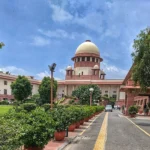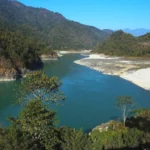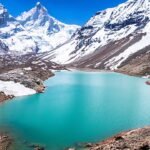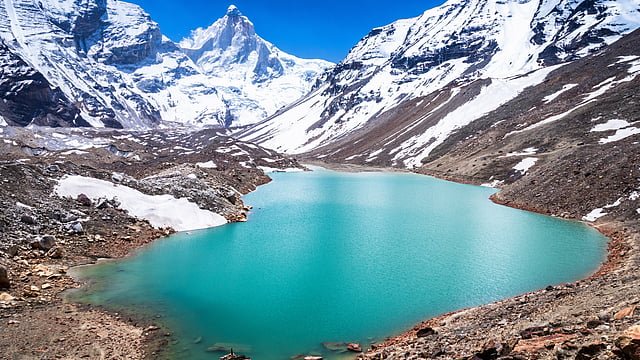
Glacial Lake Outburst Flood (GLOF) risks, climate change, flood management and sustainable water conservation took centre stage at the first meeting of the Parliamentary Standing Committee on Water Resources, with Arunachal Pradesh’s Rajya Sabha MP Tai Tagak in attendance in New Delhi.
The meeting brought the Himalayan water crisis to the parliamentary table. For Arunachal Pradesh — a state whose river systems originate in the high Himalayas and feed millions downstream — the discussion carries direct and urgent significance.
Himalayan Lakes Under Watch
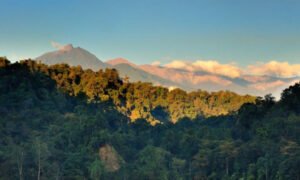
GLOF events occur when glacial lakes, formed by retreating glaciers, breach their natural dams and release massive volumes of water downstream. The phenomenon has been linked to rising temperatures in the Himalayas, and scientists have repeatedly warned that glacial lakes across the region are expanding as glaciers melt.
Arunachal Pradesh’s high-altitude regions host numerous glacial lakes, and any breach could threaten downstream settlements, hydropower infrastructure and agricultural land across the Brahmaputra valley. Tagak’s participation signals that the state wants its Himalayan vulnerability factored into national water policy.
Flood Management and Conservation
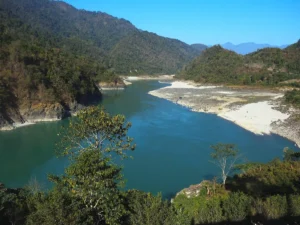
Beyond GLOFs, the committee’s discussions reportedly covered flood management and sustainable water conservation — two issues that hit Arunachal Pradesh hard during the monsoon season. Flash floods, landslides and river erosion regularly displace communities in the state’s districts, damaging roads, bridges and farmland.
The meeting also comes at a time when the state’s rivers are at the heart of a larger strategic debate: the Siang, Subansiri and Lohit are slated for major hydropower development, and flood-risk planning is central to how those projects are evaluated.
What Happens Next
Parliamentary standing committees typically follow up their deliberations with recommendations to the concerned ministries — in this case, the Jal Shakti Ministry and related agencies. For Arunachal Pradesh, the key expectations would be stronger early-warning systems for glacial lakes, investment in flood embankments and a water-conservation framework suited to the fragile Himalayan ecology.
Whether the committee’s work translates into specific protections for the Eastern Himalayan watershed will be watched closely by communities living along the state’s river valleys.
#ArunachalPradesh #TaiTagak #GLOF #WaterResources #ClimateChange #FloodManagement #Himalayas #NortheastNews #AbotaniTV