

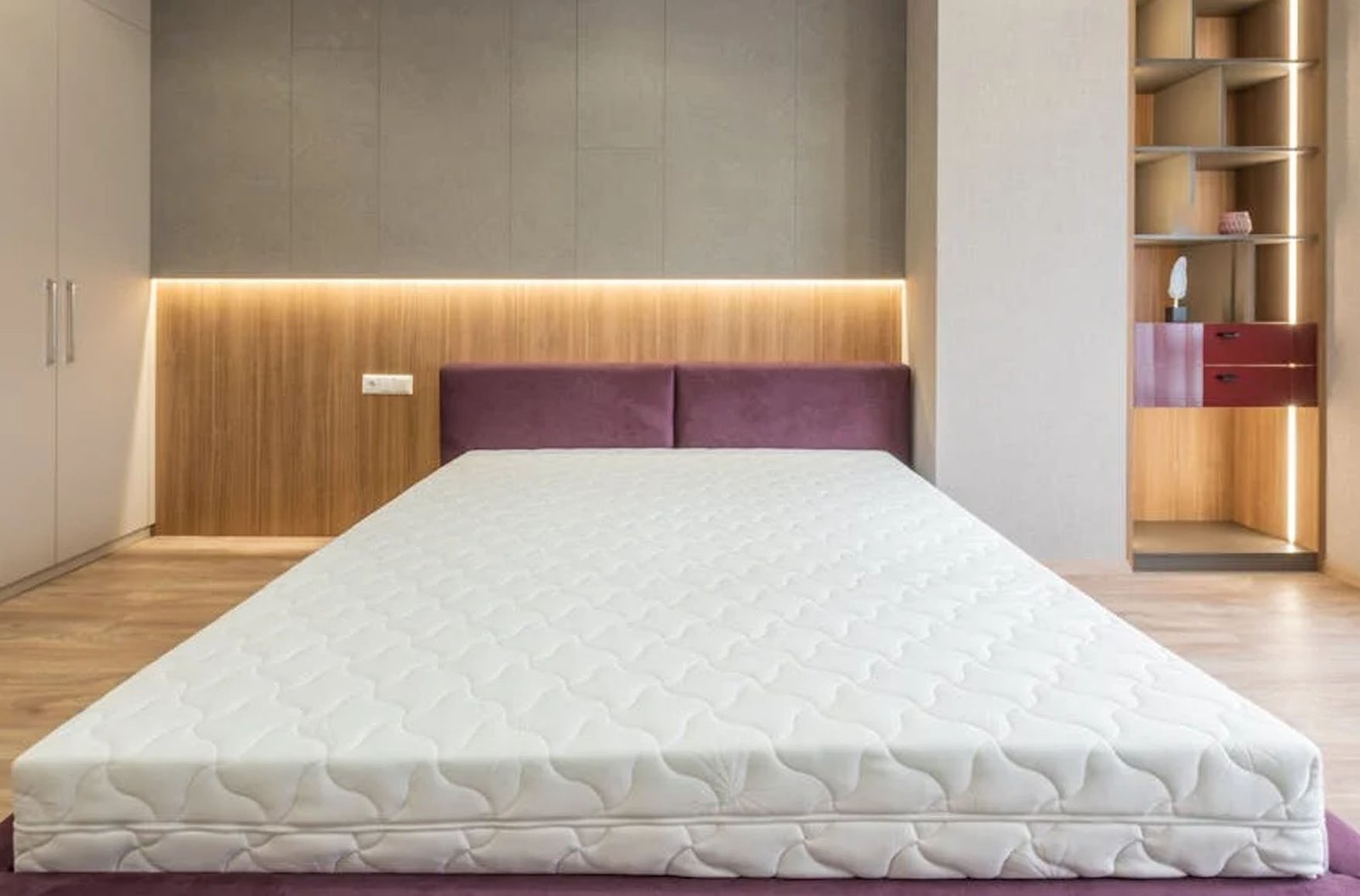
Learning how to clean a mattress without a steam cleaner is one of the most useful home skills you can pick up. Most people never clean their mattress at all — and yet it collects sweat, dead skin cells, dust mites, and stains year after year. The good news is you do not need expensive equipment to fix that. With a vacuum, baking soda, dish soap, and a few other household basics, you can deep-clean a mattress, lift stains, and get rid of odors in a single afternoon. This guide walks you through the whole process step by step, covers the most common stain types, and shows you the mistakes to avoid so you never damage your mattress.
Why Your Mattress Gets Dirty Even When It Looks Clean
A mattress is a magnet for everything your body sheds. The average person sweats out a surprising amount of moisture every night, and that moisture sinks straight into the mattress fibers. On top of that, you shed millions of skin cells daily, and a share of them ends up in your bed. Dust mites feed on those skin cells, and their droppings are one of the most common indoor allergens. Add spilled coffee, the occasional nosebleed, pet accidents, and everyday body oils, and you have a recipe for a mattress that is far dirtier than it appears.
Signs your mattress is overdue for a cleaning include a musty smell when you pull back the sheets, visible yellowish stains, waking up congested or sneezing, and sheets that feel gritty even when freshly washed. If any of those sound familiar, it is time to clean. Doing it without a steam cleaner is not a compromise — for most stains and odors, manual methods actually work better because they let you target the problem precisely instead of blasting the whole surface with heat and moisture.
What You Will Need
Everything on this list is cheap and probably already in your home:
- Vacuum cleaner with an upholstery attachment — this does the heavy lifting for dust, dead skin, and mites
- Baking soda — a full box; it absorbs moisture and neutralizes odors
- Dish soap — a mild grease-cutting soap for stain solutions
- Hydrogen peroxide (3%) — excellent on organic stains like blood and sweat; test on a hidden spot first
- White vinegar — helps with odors and light stains
- Spray bottle — for applying cleaning solutions in a fine mist
- Clean white cloths or towels — colored cloths can transfer dye, so stick with white
- A soft brush or old toothbrush — for working solutions gently into fabric
- Cold water — always cold for protein-based stains like blood
- Optional: a few drops of essential oil — lavender or tea tree mixed into the baking soda for a fresh scent
How to Clean a Mattress Without a Steam Cleaner: Step by Step
Step 1: Strip the bed completely
Remove every layer — sheets, pillowcases, mattress protector, and any mattress topper. Wash the sheets and pillowcases in hot water. If you have a mattress protector, wash it too according to its label; many can handle a warm wash and tumble dry. Starting with a bare mattress lets you see every stain and gives you full access to the surface.
Step 2: Vacuum the entire mattress thoroughly
Attach the upholstery nozzle and vacuum the top surface slowly, using overlapping strokes. Press firmly enough to pull debris out of the fabric. Then vacuum the sides, and if your mattress is flippable or you can tilt it, get the bottom too. Go over seams and piping carefully — dust mites love to hide in crevices. This step alone removes a shocking amount of dust, lint, and dead skin. Empty the vacuum canister or bag when you are done, because it will be full.
Step 3: Treat stains before anything else
Work on stains while the mattress is dry and bare. For most stains, mix a few drops of dish soap into a cup of cold water, dampen a white cloth with the solution, and blot — never rub — the stain from the outside edges toward the center. Rubbing pushes the stain deeper and spreads it. For tougher organic stains like blood or sweat, dampen the area with 3% hydrogen peroxide, let it sit for five to ten minutes, then blot with a clean damp cloth. Always test any solution on a hidden area first to check for discoloration. Detailed stain-by-stain instructions are in the section below.
Step 4: Deodorize with baking soda
Sprinkle a generous, even layer of baking soda over the entire top surface of the mattress — use most of the box for a queen or king. If you want a light scent, mix a few drops of essential oil into the baking soda before sprinkling. Leave the baking soda in place for at least four to eight hours; overnight is ideal. The baking soda absorbs moisture and draws out odors trapped deep in the fibers. This long wait is the single most important part of the deodorizing process, so do not rush it.
Step 5: Vacuum up the baking soda
After the waiting period, vacuum the mattress again, just as thoroughly as in step two. Go slowly and make several passes — baking soda is a fine powder and it takes a few passes to get it all. When the surface feels clean and powder-free, you are done with the main cleaning.
Step 6: Spot-check and air it out
Walk around the mattress and look for any stains or spots you missed. Treat leftovers with the blotting method from step three. Then let the mattress air out with the bedding off for as long as you can — a few hours at minimum. Open a window or run a fan to move air across the surface. This final drying step matters because any dampness left in the mattress can lead to mildew.
Step 7: Protect it before you remake the bed
Put on a clean mattress protector before the sheets. A waterproof or water-resistant protector is the best investment you can make for mattress longevity — it blocks sweat, spills, and allergens from reaching the mattress in the first place, which means your next deep clean will be far easier. Then remake the bed with fresh sheets.
How to Remove Common Mattress Stains
Sweat and yellowing: Mix equal parts cold water and 3% hydrogen peroxide with a squirt of dish soap. Lightly mist the stained area, let it sit for ten minutes, then blot with a damp cloth. Repeat if needed. These yellow stains build up over time, so do not expect them to vanish in one pass on an older mattress.
Blood: Always use cold water — heat sets blood stains permanently. Dab hydrogen peroxide directly onto the stain and let it bubble for a few minutes, then blot. For dried blood, make a paste of baking soda and cold water, spread it on the stain, let it dry completely, then vacuum it off.
Urine: Blot up as much liquid as possible first with dry towels, pressing hard. Then spray the area with white vinegar, let it sit for ten minutes, and blot again. Follow with a baking soda layer for several hours to neutralize the odor, then vacuum. Enzyme-based pet stain removers also work well on urine.
Coffee, tea, and food: Blot up the spill immediately, then use the dish soap and cold water solution. For dried coffee stains, a vinegar and water mix helps lift the discoloration. Blot, do not rub.
Mold or mildew spots: Take the mattress outside into sunlight if possible — sunlight is a natural disinfectant. Lightly spray the spots with white vinegar, let them dry completely in the sun, then vacuum. If the mold has penetrated deep into the mattress, replacement may be the safer option.
How to Deodorize a Mattress Naturally
The baking soda method in step four handles most odors, but for stubborn smells try these additions. A light mist of white vinegar over the mattress surface before the baking soda layer boosts odor-fighting power — the vinegar smell disappears as it dries, taking other odors with it. For smoke smells, repeat the baking soda treatment two days in a row. Activated charcoal bags placed on the mattress overnight can also absorb deep odors. Avoid heavily perfumed sprays and powders; they mask smells temporarily while adding residue that attracts more dust.
Mistakes to Avoid When Cleaning a Mattress
- Soaking the mattress: The number one mistake. Mattresses dry very slowly, and trapped moisture breeds mold and mildew. Use mists and damp cloths, never pour liquid on.
- Using hot water on protein stains: Heat bonds blood, sweat, and urine proteins to fabric. Cold water only for these.
- Rubbing instead of blotting: Rubbing spreads stains and damages the ticking fabric. Always blot from the outside in.
- Skipping the patch test: Hydrogen peroxide and vinegar are mild, but some mattress fabrics react unpredictably. Test underneath or on the side first.
- Putting sheets on a damp mattress: If the mattress is not fully dry, wait. Trapping moisture under a protector creates a mildew farm.
- Using bleach: It can weaken mattress fibers, discolor fabric, and leave harsh fumes in something you sleep on for eight hours.
How Often Should You Clean Your Mattress?
Vacuum your mattress every time you change your sheets — or at least once a month. Do the full baking soda deep clean two to four times a year. Treat stains the moment they happen; a fresh stain is ten times easier to remove than a set one. And keep that mattress protector on at all times, washing it every couple of months. With this routine, a quality mattress stays fresh for its entire lifespan.
Frequently Asked Questions
Can you really deep clean a mattress without a steam cleaner?
Yes. Vacuuming removes dust and allergens, baking soda neutralizes odors, and targeted stain solutions handle spots. Steam cleaners add heat, but for most household mattress cleaning, manual methods are equally effective and carry less risk of over-wetting.
Will baking soda damage my mattress?
No. Baking soda is safe for virtually all mattress types, including memory foam, latex, and innerspring. Just vacuum it up thoroughly afterward so no powder residue remains.
How long does it take to clean a mattress this way?
Active work takes about 30 to 45 minutes. The baking soda needs four to eight hours to sit, so plan the cleaning for a day when you can leave the bed stripped — start in the morning and remake the bed in the evening.
Can I use a carpet cleaner on my mattress instead?
It is risky. Carpet cleaners lay down a lot of water, and mattresses do not dry as fast as carpet. Over-wetting is the fastest way to create a mold problem inside your mattress. The manual method is safer.
How do I get rid of dust mites without a steam cleaner?
Thorough vacuuming with an upholstery attachment removes most mites and their droppings. Washing all bedding in hot water kills mites in sheets and protectors. An allergen-proof mattress encasement then keeps them from recolonizing the mattress.
What if the stain will not come out?
Old, set stains — especially years of sweat yellowing — may never fully disappear. If the mattress is clean, dry, and odor-free, a faint discoloration is cosmetic and nothing to worry about. A mattress protector will hide it completely.