

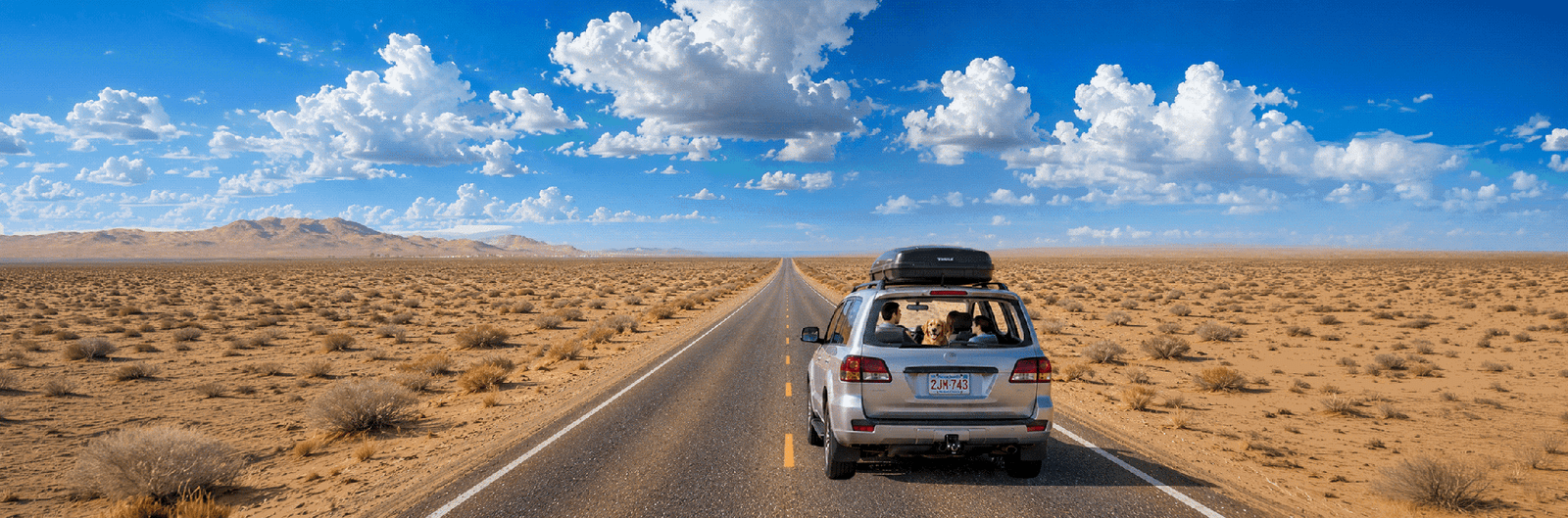
Learning how to plan a weekend road trip on a budget for beginners is one of the smartest skills a new traveler can pick up. A two-day escape can cost less than a single night at an average hotel if you know where the money actually goes and which corners are safe to cut. This guide walks you through the whole process — picking a destination, setting a realistic budget, planning your route, packing like a pro, eating well for cheap, and avoiding the classic beginner mistakes that blow budgets apart.
Why a Weekend Road Trip Is the Perfect Beginner Adventure
Before diving into the logistics, it helps to understand why this format works so well for first-timers:
- Short commitment: You are only away for two to three days, so the stakes feel low. If something goes wrong, you are close to home.
- Easy to budget: With fewer days, costs are predictable — fuel, food, one or two nights of lodging, and a little spending money.
- No flights or airport stress: Your car is your transportation, storage, and sometimes even your bedroom.
- Flexible schedule: Unlike a long vacation, a weekend trip does not require weeks of planning or time off work.
A weekend road trip also teaches you the fundamentals of travel planning — budgeting, route mapping, packing, and problem-solving — skills that scale up to longer adventures later.
Step 1: Set Your Budget First, Not Last
Most beginners pick a destination first and then figure out money later. Flip that order. Your budget should decide your destination, not the other way around.
The Beginner Weekend Budget Formula
Break your trip into four cost buckets and estimate each one before you go:
- Fuel: Check your car’s miles-per-gallon and multiply by the round-trip distance, then divide by the current gas price. A 400-mile round trip in a car that gets 30 mpg uses roughly 13 gallons.
- Lodging: This is usually the biggest expense. Options range from free (camping, staying with friends) to budget motels. Plan on $0–$100 per night depending on your choice.
- Food: Plan about $30–$50 per person per day if you mix restaurant meals with groceries and packed food. You can go lower with a cooler and a grocery run.
- Activities: Many of the best road-trip stops are free — state parks, scenic overlooks, small-town main streets, public beaches. Set aside $20–$50 for the fun paid stuff.
A realistic beginner target is $150–$350 per person for a full weekend. If that number surprises you, good — now you can design the trip around it instead of being blindsided by it.
Build a Small Buffer
Add a 10–15% buffer on top of your estimate. Tires go flat, routes detour, and someone always spots a diner they cannot resist. A buffer keeps surprises from ruining the trip.
Step 2: Pick a Beginner-Friendly Destination
With your budget set, choose a place within a reasonable drive. For your first trip, stay inside a 2–4 hour radius from home. That keeps fuel costs down, limits fatigue, and leaves you more time to actually enjoy the destination instead of the highway.
What Makes a Good Beginner Destination
- Free or cheap attractions: National and state parks, hiking trails, lakeshores, waterfalls, historic downtowns, free museums, and scenic drives.
- Affordable lodging options: Look for towns with budget motels, campgrounds, or free dispersed camping nearby.
- Easy navigation: A single main road through a scenic area beats a maze of country roads when you are new.
- Something you actually enjoy: Love nature? Pick a state park. Into history? Pick a small historic town. The trip should match your interests, not a generic list.
A Few Classic Budget Weekend Trip Types
- The state park loop: Drive to a nearby state park, camp or stay in a gateway town, hike during the day, stargaze at night. Total activity cost: close to zero.
- The small-town crawl: Pick two or three small towns along one highway. Walk the main streets, try local diners, browse thrift stores.
- The scenic drive: Choose a famously scenic route and make the drive itself the attraction, with stops at overlooks and trailheads along the way.
- The lake or coast run: Public beaches and lakeshores are free, and the entertainment is built in.
Mountain road trips — like the dramatic hill routes through places such as Tawang in Arunachal Pradesh, which has been drawing global attention for its tourism potential (read about Tawang’s rise here) — show how rewarding scenic drives can be. You do not need to cross the world to get that feeling, though; every region has its own version of a great mountain road.
Step 3: Plan Your Route and Timing
Map It Before You Go
Use a mapping app to plot your route, but also download the map for offline use — cell service disappears in exactly the places road trips are most beautiful. Mark your fuel stops, food stops, and key turns in advance.
Time Your Departure Strategically
- Leave early Friday evening or first thing Saturday morning: Beating rush-hour traffic saves both time and gas.
- Check the return traffic: Sunday afternoons are the busiest return window. Leaving before lunch or after dinner can cut hours off the drive.
- Build in buffer time: The golden rule of road trips is that everything takes longer than the map says. Add 30–60 minutes per day for stops, detours, and discoveries.
Plan Your Stops, Not Just Your Destination
The stops are what turn a drive into a road trip. Before you leave, list 3–5 potential stops per driving leg: a scenic overlook, a quirky roadside attraction, a local restaurant, a short trail. You will not hit them all, but having options keeps the trip spontaneous without being chaotic.
Step 4: Choose Budget Lodging That Fits Your Style
Lodging is where beginners overspend most. Here are your options, from cheapest to priciest:
- Free camping / dispersed camping: Many national forests and public lands allow free camping. Check local rules first. Cost: $0.
- Campgrounds: State park and private campgrounds with basic facilities typically run $15–$40 per night for a tent site.
- Sleeping in the car: Possible at designated rest areas and some public lands, but check local laws — it is restricted in some places. Bring window shades and a sleeping bag.
- Budget motels: Independent motels in small towns are often $60–$100 per night and perfectly comfortable for a weekend.
- Vacation rentals: Sometimes cheaper than hotels when split between friends, especially with a kitchen that saves on food costs.
Beginner tip: If you are nervous about camping, do a trial run in your backyard or a nearby campground before the trip. You will discover what gear you actually need — usually less than you think.
Step 5: Eat Well Without Eating Your Budget
Food is the second-biggest budget line, and it is also the easiest to control.
The Cooler Strategy
A basic cooler is the single best budget road-trip investment. Before you leave, stock it with:
- Sandwich supplies, wraps, and snacks for lunches
- Breakfast basics: fruit, yogurt, granola, bagels
- Drinks: a case of water plus whatever you enjoy — buying drinks one at a time is a silent budget killer
- Condiments and simple extras in small containers
The 1-1-1 Food Rule
A simple formula for eating well on a budget: one restaurant meal per day, maximum. Pack breakfast and lunch, then enjoy one local restaurant dinner. You get the foodie experience without the foodie bill — and you will appreciate that dinner far more.
Grocery Store Pit Stops
Small-town grocery stores and deli counters are budget goldmines. A rotisserie chicken, a bag of salad, and a loaf of bread feeds two people for less than the cost of one fast-food meal.
Step 6: Pack Smart, Not Heavy
Beginners almost always overpack. Your car is not a moving van. Here is a packing checklist that covers the essentials:
The Core Checklist
- Documents and money: Driver’s license, insurance card, a debit/credit card, and a small amount of cash. Tell your bank you are traveling if going far.
- Navigation: Phone charger, car charger, downloaded offline maps.
- Clothing: Two outfits plus one extra layer and rain gear. Pack for the weather forecast, then add one warmer layer than you think you need.
- Comfort: Pillow, blanket, reusable water bottle, sunglasses, sunscreen, basic first-aid kit, any medications.
- Food gear: Cooler, reusable bags, paper towels, trash bags, a basic knife, bottle opener.
- Car essentials: Spare tire (check that it is inflated), jack, jumper cables, tire pressure gauge, flashlight, and your roadside assistance info.
What Beginners Should Skip
- More than one pair of “just in case” shoes
- Full-size toiletries — travel sizes are plenty for two days
- Books you will not read and gadgets you will not use
- Expensive jewelry or anything you would hate to lose
Step 7: Save Money on the Road
Fuel Savings
- Use a gas-price app to find the cheapest stations along your route — prices can vary wildly between towns.
- Drive efficiently: Steady speeds, gentle acceleration, and proper tire pressure can improve fuel economy noticeably. Cruise control on highways helps.
- Fill up before remote stretches where the only station for miles charges a premium.
Activity Savings
- Check for free days: Many national parks and museums have periodic free-entry days.
- Ask locals: Gas station attendants, diner servers, and campground hosts know the best free spots that never make it into guidebooks.
- Embrace the free stuff: Sunrises, stargazing, swimming holes, scenic overlooks, and small-town festivals cost nothing and make the best memories.
The Splurge Rule
Budget trips work best with one planned splurge — a nice dinner, a guided tour, a quirky attraction. Knowing it is planned makes skipping the other impulse purchases feel like a choice, not a sacrifice.
Common Beginner Mistakes to Avoid
- No budget at all: “We will figure it out on the road” is how $200 weekends become $600 weekends. Set the number before you leave.
- Over-scheduling: Cramming five destinations into two days means you spend the whole trip in the car. Two main stops per day is plenty.
- Skipping the car check: A quick pre-trip inspection — oil, coolant, tire pressure, lights — prevents the most common roadside disasters.
- Eating out for every meal: Restaurants are the fastest way to double your food budget. The cooler strategy exists for a reason.
- Ignoring the weather: Check the forecast for your destination, not just your hometown. Mountain and coastal weather can be completely different.
- No backup plan: Have one alternate destination or route in mind in case of road closures, bad weather, or a fully booked campground.
- Forgetting to have fun: Do not let the budget become the trip. The point is the adventure — the budget is just the tool that makes it possible.
Pros and Cons of Budget Weekend Road Trips
Pros
- Cheaper than almost any other form of vacation
- Total control over schedule, route, and pace
- Great practice for longer trips later
- Easy to do with friends, family, or solo
- Minimal planning required compared to flights and hotels
Cons
- Driving fatigue on long legs
- Weather can derail outdoor plans
- Budget lodging means fewer comforts
- Limited time means hard choices about what to skip
A Sample $250 Weekend Road Trip Budget
To make this concrete, here is what a realistic beginner weekend looks like for two people:
- Fuel (300 miles round trip, 30 mpg): $35
- Lodging (2 nights at a state park campground): $60
- Food (cooler groceries + one dinner out): $90
- Activities (park entry + one small attraction): $35
- Buffer: $30
- Total: $250 — or $125 per person for a full weekend away.
Frequently Asked Questions
How much money do I need for a weekend road trip?
Most beginners can do a comfortable weekend road trip for $150–$350 per person, including fuel, lodging, food, and activities. Camping and packing your own food push you toward the lower end; motels and restaurant meals push you higher.
How far should I drive on my first road trip?
Stay within a 2–4 hour drive from home. That keeps fuel costs low and gives you more time at the destination. You can always go farther once you know how you handle full days of driving.
What is the cheapest way to sleep on a road trip?
Free dispersed camping on public lands is the cheapest option at $0, followed by developed campgrounds at $15–$40 per night. If camping is not your thing, budget motels in small towns are the most affordable indoor option.
How do I keep food costs down on a road trip?
Bring a cooler stocked from a grocery store before you leave, follow the one-restaurant-meal-per-day rule, and carry water and snacks. This alone can cut food spending by more than half compared to eating out for every meal.
What should I check on my car before a road trip?
Check tire pressure and tread, oil and coolant levels, lights, wipers, and the spare tire. Make sure you have jumper cables, a jack, a flashlight, and your roadside assistance information. A 20-minute inspection prevents most common breakdowns.
Is it better to plan every stop or be spontaneous?
A middle ground works best for beginners: plan your route, lodging, and 2–3 key stops, but leave open time each day for spontaneous discoveries. A rigid minute-by-minute plan causes stress; zero planning causes wasted time.