
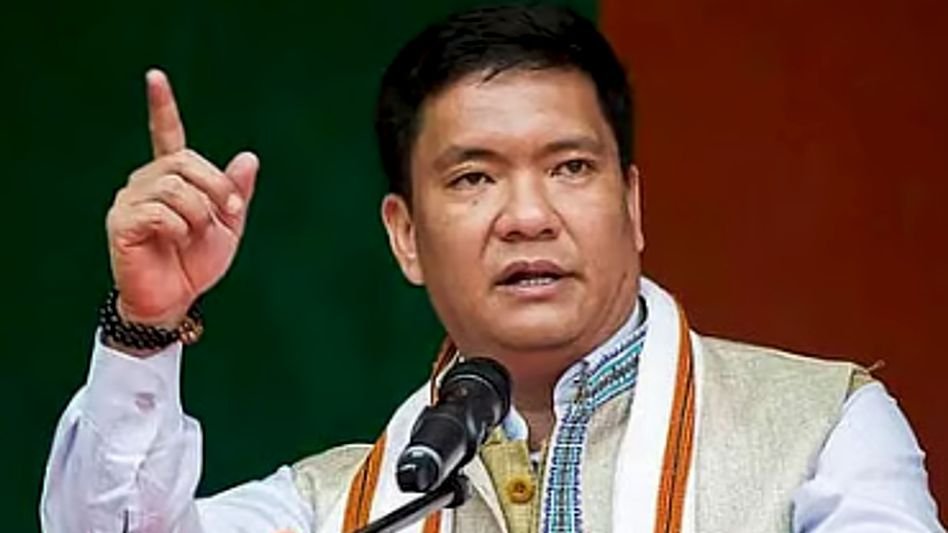
Arunachal Pradesh’s Chief Minister fires back with cold, hard facts as the political storm over electoral roll revision refuses to die down.
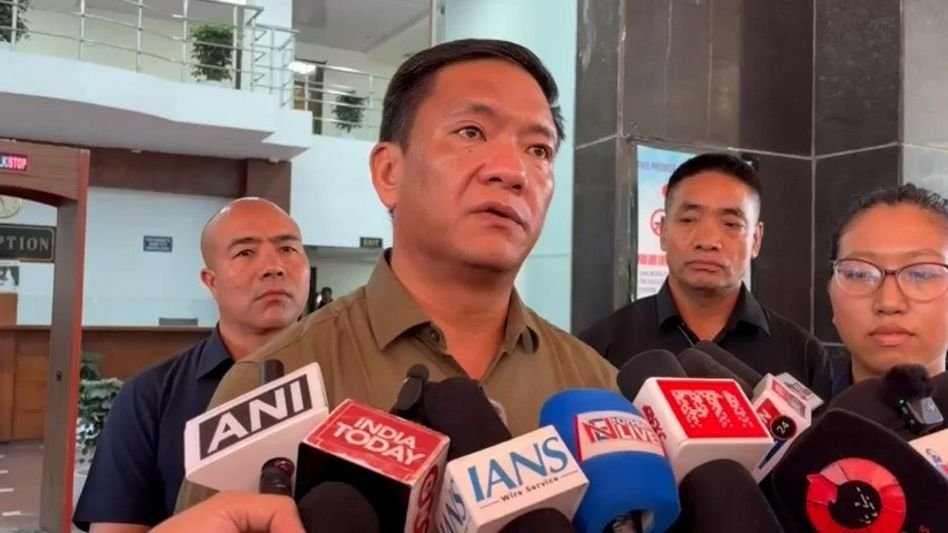
There’s something almost refreshing about a political response that skips the theatrics and goes straight for the documents. That’s exactly what Arunachal Pradesh Chief Minister Pema Khandu did on Monday, September 28, when he pushed back against Congress leader Rahul Gandhi’s persistent accusations over the Special Intensive Revision (SIR) of electoral rolls — and he did it by letting the Election Commission of India’s own records do the talking.
Khandu, posting on X, was direct. The ECI’s June 24, 2025 order — the one at the centre of all this noise — was issued with the unanimous approval of the full Commission. Not one officer acting alone. Not a political favour slipped through the back door. A unanimous, institutional decision.
“The Election Commission’s own record now provides a clear institutional response,” Khandu said, making clear he wasn’t interested in going back and forth on Twitter with speculation when paperwork already settled the question.
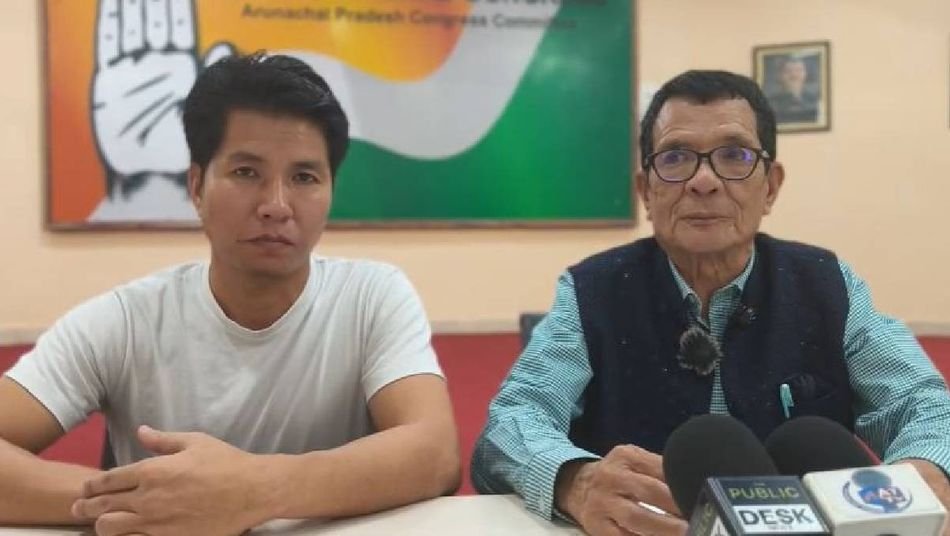
The whole controversy has been simmering for a while now. Gandhi has repeatedly raised the alarm, questioning whether the SIR — the process of updating and revising voter rolls — was ordered unilaterally. His concern seemed pointed squarely at Chief Election Commissioner Gyanesh Kumar, whom Gandhi went as far as to demand should resign. Those are serious allegations. The kind that stick if left unanswered.
But the ECI has stood its ground. The poll body has consistently maintained that the SIR decision was not the act of a single individual. Internal deliberations happen — that’s how any institution works — but views exchanged during those discussions don’t amount to a separate or rogue decision. The ECI has been firm on that line, and Khandu essentially amplified it from his own platform.
He didn’t stop at the June 2025 order either. Khandu pointed out that the subsequent schedules rolled out as part of the SIR exercise also received unanimous Commission approval. There was no rogue element here. No one went off-script.
What makes this moment interesting is the political backdrop. The Congress and the BJP have been at each other’s throats over this SIR issue, with the opposition portraying it as evidence of a compromised election machinery. That’s a powerful charge in a democracy. The ruling side, predictably, sees things very differently — and Khandu’s move today was less about winning a news cycle and more about anchoring the conversation in verifiable institutional records.
It’s worth noting that this particular fight isn’t just about Arunachal Pradesh. The SIR exercise and the allegations around it have national implications, feeding into a broader opposition narrative about the independence and integrity of constitutional bodies. What happens in Itanagar echoes in Parliament.
For now, the Chief Minister has laid his cards on the table — and they happen to be official ECI documents. Whether the opposition accepts that as an answer, or simply shifts the argument, is a different story entirely. But if there’s one thing this episode confirms, it’s that the battle over India’s electoral machinery is far from over — and everyone is watching very closely.